
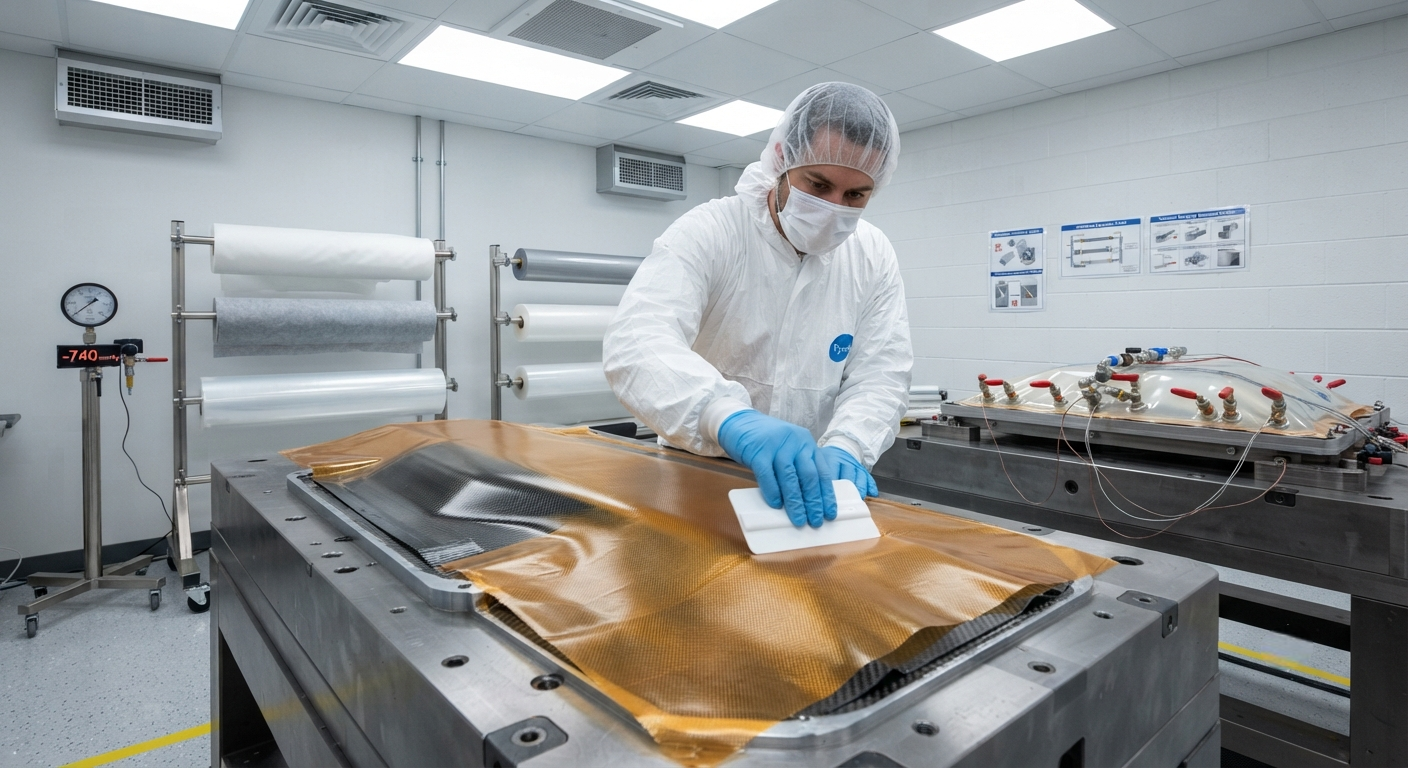
Technical analysis of PTFE-coated release fabrics for carbon fiber vacuum bagging. Covers material construction (substrate, weave, coating weight), release performance quantification (peel force, resin transfer, fabric witness), reusability factors (cure temperature, resin system, handling), and TCO comparison against disposable release films. Includes real-data tables for different fabric grades and resin systems.
Introduction to PTFE-Coated Fabrics in Vacuum Bagging
Vacuum bagging is one of the most widely used processing methods in carbon fiber composite manufacturing, employed in autoclave and out-of-autoclave curing processes for aerospace, automotive, marine, and wind energy applications. At the heart of a reliable vacuum bagging system lies the release film — a layer that prevents the composite laminate from bonding to the bleeder fabric, breather fabric, and tool surface during cure. Polytetrafluoroethylene (PTFE)-coated fabrics have emerged as the industry-standard release medium, offering a unique combination of high-temperature stability, chemical inertness, and multiple reuses that directly impact manufacturing cost and process reliability.
This technical analysis examines the performance characteristics of PTFE-coated fabrics used in carbon fiber vacuum bagging, with particular focus on release performance metrics, reusability factors, material selection criteria, and total cost of ownership for production-scale composite manufacturing operations.
PTFE-Coated Fabric Construction and Material Systems
PTFE-coated release fabrics consist of a woven substrate — typically fiberglass, but also available in aramid or carbon fiber for specialised applications — that is impregnated and coated with PTFE (polytetrafluoroethylene) resin. The coating process saturates the fabric structure and forms a continuous, non-stick surface layer. The key product parameters that determine performance include:
- Substrate type: E-glass is the most common substrate, offering a balance of tensile strength, thermal stability, and cost. S-glass provides higher tensile strength (3.5–4.5 GPa versus 3.0–3.5 GPa for E-glass) for demanding applications where fabric integrity is critical. Carbon fiber substrates are used in ultra-high-temperature applications (>315°C) where glass would degrade.
- Weave pattern: Plain weave (crowfoot satin) provides maximum stability and minimum distortion. Leno weave offers improved tear resistance. Satin weave (4HS, 8HS) provides better conformability to complex tool geometries at the expense of some dimensional stability.
- Coating weight: Standard coating weights range from 35–60% PTFE by weight. Higher coating weights (55–65%) provide superior release properties and longer reuse life but reduce fabric porosity and conformability. Lower coating weights (30–40%) improve conformability but reduce release performance.
- Release side identification: Most PTFE-coated fabrics are treated on one side only (the side facing the laminate). Some premium products feature different colours or markings on the release side to ensure correct orientation during layup.
| Grade Designation | Substrate | PTFE Coating Weight | Max Service Temperature (°C) | Tensile Strength (N/cm) | Typical Release Cycles | Relative Cost Index |
|---|---|---|---|---|---|---|
| Standard Grade | E-glass, plain weave | 35–45% | 260 | 350–450 | 5–10 | 1.0 (baseline) |
| Performance Grade | E-glass, satin weave | 45–55% | 288 | 400–550 | 10–20 | 1.3–1.5 |
| Premium Grade | S-glass, leno weave | 50–60% | 316 | 500–700 | 20–40 | 1.8–2.2 |
| Ultra-High Temp | Carbon fiber, satin weave | 55–65% | 350 | 600–850 | 15–30 | 3.0–4.5 |
Release Performance: Quantifying the Non-Stick Surface
The primary function of a PTFE-coated release fabric is to prevent adhesion between the curing composite laminate and adjacent bagging materials. Release performance is quantified through several metrics:
- Peel force (ASTM D3330): The force required to separate the release fabric from the cured composite surface, measured in N/cm width. Target values for aerospace applications are below 1.5 N/cm. Premium PTFE-coated fabrics consistently achieve 0.3–0.8 N/cm peel force after first use, compared to 2.0–4.0 N/cm for non-PTFE treated release films.
- Resin transfer: The weight of residual resin transferred from the composite to the release fabric per unit area, measured in g/m². Low resin transfer (below 5 g/m²) ensures clean part surfaces and extends fabric reuse life. PTFE-coated fabrics typically exhibit 2–8 g/m² resin transfer on the first use, increasing to 5–15 g/m² after 10 reuse cycles.
- Fabric witness: The degree to which the release fabric texture or weave pattern is imprinted on the cured composite surface. For cosmetic-grade composite surfaces, fabric witness must be minimised. Satin-weave PTFE fabrics with higher coating weights (55%+) leave the least visible imprint.
- Contamination potential: PTFE-coated fabrics must not transfer silicone or fluorine-containing compounds to the composite surface that could interfere with subsequent bonding or painting operations. Premium PTFE-coated fabrics are formulated to be low-fluorine-migration, with fluorine transfer below 0.1 µg/cm² as verified by XPS (X-ray photoelectron spectroscopy).
Reusability: Factors Affecting Release Fabric Life
The economic advantage of PTFE-coated fabrics over single-use release films lies primarily in reusability. A single roll of premium PTFE-coated fabric may cost 8–15× more than an equivalent area of disposable release film, but achieving 20–40 reuse cycles reduces the per-use cost below that of disposable films. Key factors affecting reusability include:
- Cure cycle severity: Higher cure temperatures (above 200°C) accelerate PTFE degradation through thermal oxidation. Each hour at 260°C reduces the PTFE molecular weight by approximately 0.5–1.0%, cumulatively degrading release performance. Fabrics used exclusively at 180°C or below (standard epoxy cure) exhibit 3–5× longer reuse life than those cycled at 250°C (BMI cure).
- Resin system compatibility: Epoxy resins generally leave less residual contamination on PTFE surfaces than phenolic or bismaleimide resins. BMI resins are particularly aggressive, forming carbonised residue on the PTFE surface after 5–10 cycles that progressively degrades release performance.
- Mechanical handling: Folding, creasing, or abrasive contact with sharp tool edges creates micro-cracks in the PTFE coating through which resin can penetrate to the glass substrate, permanently bonding the fabric to the composite. Proper handling techniques — rolling rather than folding, using corner protectors, and avoiding contact with sharp tools — can double reuse life.
- Cleaning protocol: Between uses, PTFE-coated fabrics should be cleaned to remove residual resin particles. Recommended methods include: gentle manual brushing with a soft nylon brush to remove loose particles; washing in warm water (40–50°C) with a mild non-ionic detergent; and low-temperature drying at 80–100°C. Abrasive cleaning, solvent washing, or high-pressure water jets damage the PTFE coating and reduce reuse life by 40–60%.
| Resin System | Cure Temperature (°C) | Cure Duration (hours) | Typical Reuse Cycles (Standard Grade) | Typical Reuse Cycles (Premium Grade) |
|---|---|---|---|---|
| Epoxy (aerospace prepreg) | 121–177 | 2–6 | 15–25 | 30–50 |
| Epoxy (fast cure automotive) | 130–160 | 0.08–0.5 | 20–35 | 40–60 |
| BMI (bismaleimide) | 190–240 | 4–8 | 3–8 | 8–15 |
| Phenolic | 135–175 | 1–4 | 5–12 | 12–25 |
| Cyanate ester | 200–260 | 3–6 | 2–5 | 5–12 |
Cost Analysis: PTFE-Coated Fabric vs. Disposable Release Film
For a typical aerospace composite manufacturing operation consuming 500 m² of release material per week, the total cost of ownership comparison between PTFE-coated fabric and disposable release film demonstrates the economic case for reusable release media:
- Disposable film: $3.50–8.00/m² depending on thickness and temperature rating. Zero capital for cleaning equipment. Annual material cost at 500 m²/week: $91,000–$208,000. No cleaning labour. Disposal cost: $0.15–0.50/m² for landfilling or incineration.
- PTFE-coated fabric (Standard Grade): $25–40/m² initial purchase. 15 reuses average. Per-use cost: $1.67–$2.67/m². Requires cleaning equipment investment of $3,000–$8,000. Annual material cost at 500 m²/week consumption: $43,400–$69,400. Cleaning labour: 4–8 hours/week. No disposal cost.
- PTFE-coated fabric (Premium Grade): $45–75/m² initial purchase. 35 reuses average. Per-use cost: $1.29–$2.14/m². Requires same cleaning equipment. Annual material cost at 500 m²/week consumption: $33,500–$55,600. Cleaning labour: 4–8 hours/week. Lower per-use cost than disposable films by approximately 60–70%.
Frequently Asked Questions
How can I determine when a PTFE-coated release fabric has reached the end of its usable life?
There are four practical indicators: (1) Increased peel force — if the fabric requires more than 2.5 N/cm to separate from the cured composite, or if the operator notices increased resistance during demoulding, the fabric should be retired. (2) Visible PTFE degradation — localised discolouration (browning or darkening), pinholes, or exposed glass fibres indicate coating failure. (3) Resin transfer exceeding 15 g/m² — measure by weighing a 100 mm × 100 mm sample before and after a representative cure cycle. (4) Fabric witness transferring to the composite surface — if the weave pattern is clearly imprinted on the part surface and exceeds the cosmetic specification, the fabric has lost its conformability. A systematic approach is to log each fabric piece's usage history (number of cycles, resin type, cure temperature) and retire pieces after the manufacturer's recommended maximum cycles, regardless of visual condition.
Can PTFE-coated release fabrics be repaired or recoated?
Minor damage to PTFE-coated fabrics — such as small tears (under 10 mm) or edge fraying — can sometimes be repaired using high-temperature PTFE repair tape applied to the back side (non-release side) of the fabric. However, recoating of PTFE release fabrics is not commercially viable. The coating process requires controlled high-temperature sintering (380–420°C) in continuous ovens with precise tension control, which is only economical for large-scale fabric production. Attempting to reapply PTFE coating in a batch or manual process results in uneven coating thickness, poor adhesion to the substrate, and unpredictable release performance. Cost-benefit analysis consistently favours replacement over recoating for all but the largest-format, most expensive fabrics.
What is the difference between PTFE-coated fabrics and FEP or PFA release films?
PTFE-coated fabrics differ fundamentally from FEP (fluorinated ethylene propylene) and PFA (perfluoroalkoxy) release films in construction and performance. PTFE-coated fabrics are woven substrates impregnated with PTFE resin — they have fabric-like flexibility, high tear resistance, and handleable strength. FEP and PFA are extruded films with no substrate — they are transparent, have lower tensile strength (15–25 MPa vs 50–80 MPa for PTFE-coated fabric), and lower tear resistance, making them more prone to puncture during layup and debulking. FEP has a maximum service temperature of 205°C (versus 260–316°C for PTFE-coated fabric) and PFA of 260°C. PTFE-coated fabrics can typically achieve 10–40 reuse cycles; FEP and PFA films are single-use products. However, FEP and PFA provide superior transparency for layup inspection and leave virtually no fabric witness on the composite surface, making them preferred for cosmetic-grade parts where reusability is not a requirement.
Part of topic
Related Articles
- Bio-Based Carbon Fiber Precursors: Lignin and Polyethylene for Low-Cost Production
- Large-Tow Carbon Fiber Cost Analysis: 48K vs 60K Price-Performance Comparison
- Carbon Fiber-Resin Interface Bonding: Surface Treatment and Coupling Agent Optimization
- Digital Twin for Carbon Fiber Manufacturing: Real-Time Process Monitoring and Defect Prevention
- Thermoplastic Carbon Fiber Welding for Automotive: Ultrasonic and Induction Welding Process Windows
- Large-Tow Carbon Fiber Wet Spinning: Process Optimization for 48K/60K Production Efficiency
Interested in Our Products?
Contact our team for competitive pricing and technical specifications.
Get a QuoteRelated Products
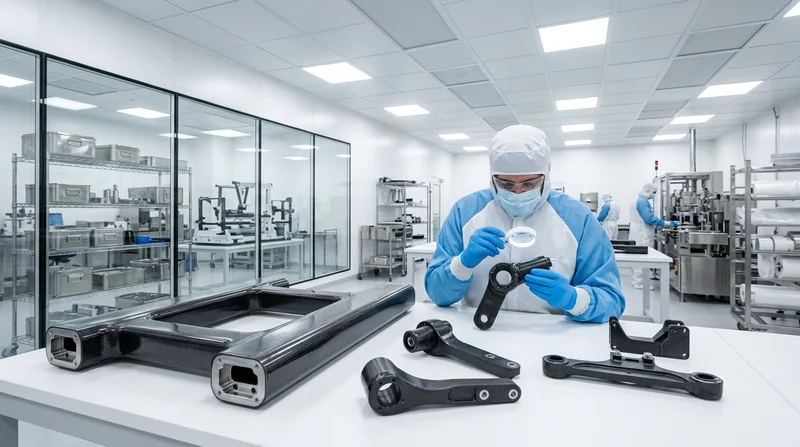
Custom Carbon Fiber Medical Device Components
Medical-grade carbon fiber components manufactured for imaging equipment, surgical instruments, and patient support systems. Carbon fiber's radiolucency (X-ray transparency) and high strength-to-weight ratio make it ideal for CT scanner beds, wheelchair frames, surgical robot arms, and MRI-compatible accessories. Biocompatible resin systems available.
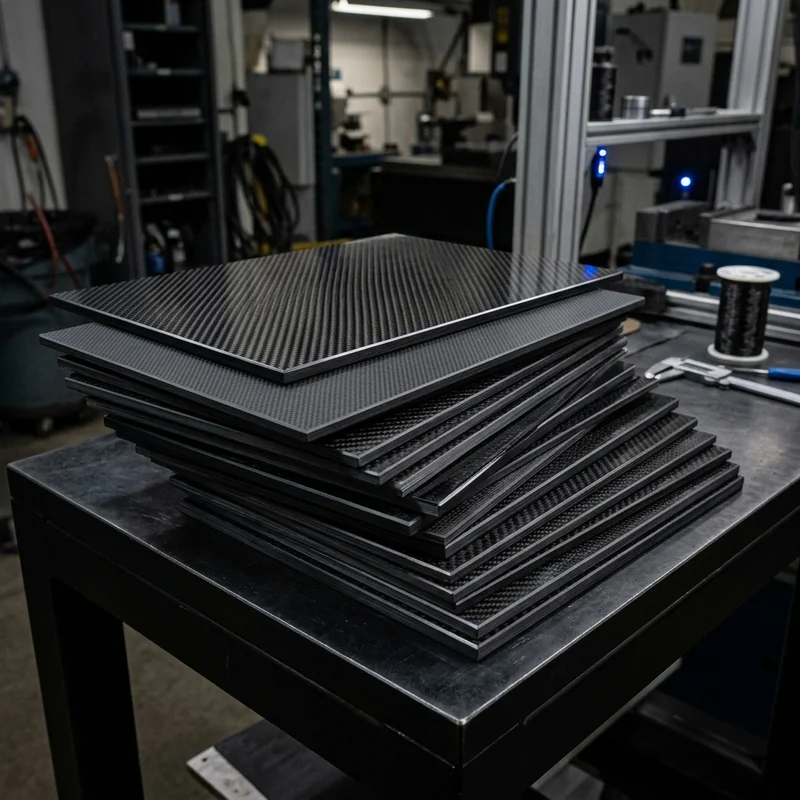
Carbon fiber standard plate-3k stripe
Lightweight, ultra-rigid standard sheets for drone fuselages, robot housings, facades and structural applications.
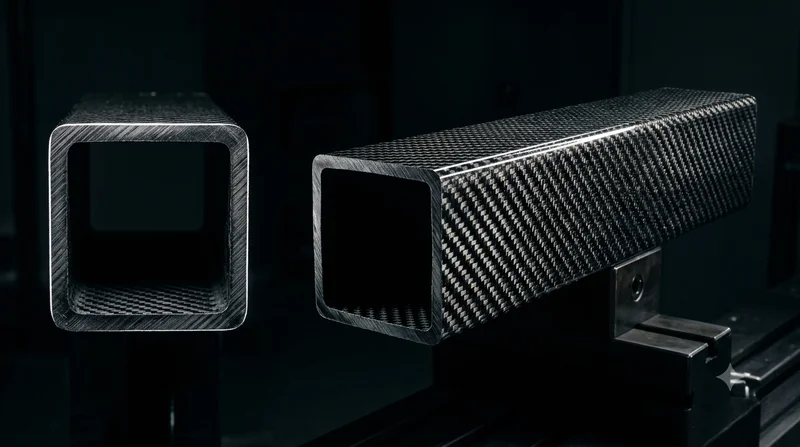
Square Carbon Fiber Tube — 3K Twill T700
Square cross-section carbon fiber tube manufactured with 3K twill weave for torsional strength. Preferred for structural frames, trusses, and support columns where rectangular geometry offers design flexibility.
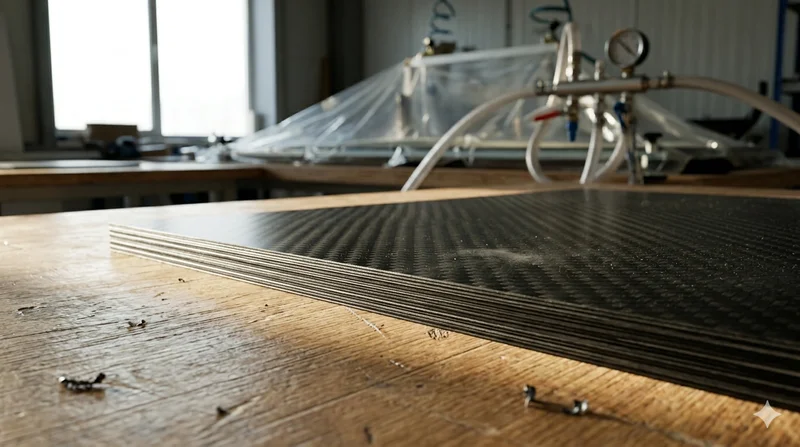
Carbon Fiber Plate — 3K Twill T700 3.0mm
Medium-thickness 3.0mm carbon fiber plate offering significantly higher load capacity while maintaining attractive 3K twill finish. Suitable for structural brackets, reinforcement plates, and load-bearing panels.
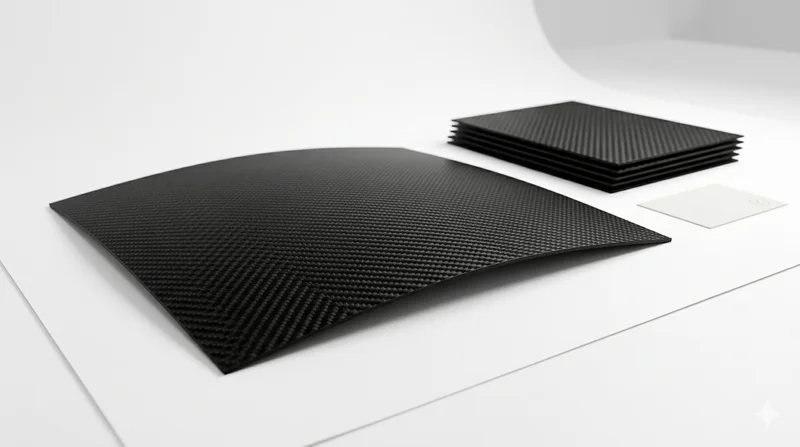
Carbon Fiber Plate — 3K Twill T700 1.5mm
Thin 1.5mm carbon fiber plate with 3K twill weave surface. Lightweight and stiff, commonly used for covers, panels, drone bodies, and applications requiring a premium aesthetic appearance.