
| | 200 parts/yr, 2m² mold | Semi-permanent spray | $85/L | 15 mL | $1.28 | 3 min | $1.50 | | 200 parts/yr, 2m² mold | Wax system | $25/L | 8 mL | $0.20 | 5 min | $2.50 | | 5,000 parts/yr, 0.5m² mold | Semi-permanent spray + IMR | $95/L | 3 mL | $0.29 | 0 min (built-in) | $0.00 | | 5,000 parts/yr, 0
| Typical solids content | 5–15% | 10–25% | 15–30% |
|---|---|---|---|
| Application method | Lint-free cloth wipe | HVLP spray gun | Natural bristle brush |
| Number of coats required | 3–6 | 2–4 | 1–3 |
| Cure temperature | 80–120°C | 100–150°C | 120–180°C |
| Curing time per coat | 10–20 min | 15–30 min | 20–45 min |
| Number of releases per application | 5–15 | 10–25 | 15–40 |
| Surface finish achievable | Class A (with buffing) | Class A | Class A+ |
| Typical cost per part | $0.08–0.25 | $0.05–0.15 | $0.03–0.10 |
Best for: Compression molding, RTM, and prepreg layup where multiple identical parts are produced from the same tool.
2. Sacrificial Waxes and PVA
Traditional release systems that form a physical barrier layer that is consumed with each release.
| Feature | Carnauba Wax | PVA (Polyvinyl Alcohol) | Petroleum-Based Wax |
|---|---|---|---|
| Application temperature | 15–35°C | 15–30°C | 20–50°C |
| Drying/curing time | 5–15 min | 20–40 min | 10–20 min |
| Releases per coat | 1 | 1 | 1–3 |
| Surface finish | Good (needs buffing) | Fair | Good |
| Temperature limit | 120°C max | 90°C max | 150°C max |
| Transfer to part | Moderate | High (water-soluble) | Moderate |
| Cleanup method | Solvent wipe | Water wash | Solvent wipe |
Best for: Low-volume production, prototyping, high-temperature molds where semi-permanent systems degrade, and parts that will be post-painted (PVA can be water-washed).
3. Internal Mold Release (IMR)
Additives incorporated directly into the resin formulation that migrate to the mold surface during curing.
| Feature | Standard IMR | High-Performance IMR | Liquid IMR |
|---|---|---|---|
| Typical dosage | 1–3% by resin weight | 0.5–1.5% by resin weight | 0.3–1.0% by resin weight |
| Active chemistry | Zinc stearate | Phosphate ester | Siloxane copolymer |
| Compatible processes | SMC, BMC, RTM | RTM, infusion, prepreg | RTM, infusion |
| Effect on mechanical properties | −5% to −10% | −1% to −3% | Negligible |
| Effect on surface finish | Moderate | Good | Good |
| Effect on secondary bonding | Poor (must be removed) | Good | Excellent |
Best for: High-volume production (automotive SMC/BMC), parts where external mold release application is difficult (complex internal geometries), and as a backup release for semi-permanent systems.
Performance Comparison by Process Type
| Processing Method | Recommended Release Type | Typical Releases/Application | Surface Finish | Key Concern |
|---|---|---|---|---|
| Compression molding (SMC) | Semi-permanent spray | 8–20 | Class A | Wear resistance at 150°C+ |
| Compression molding (prepreg) | Semi-permanent wipe | 5–15 | Class A+ | High-temperature stability |
| RTM (epoxy) | Semi-permanent spray + IMR | 10–25 | Class A | Proper mold temperature |
| Vacuum infusion | Semi-permanent wipe + PVA | 3–8 | Good | Vacuum integrity |
| Hand lay-up | Wax + PVA | 1–2 | Fair | Uniform application |
| Filament winding | Liquid semi-permanent | 5–12 | Good | Mandrel coverage |
| Autoclave (prepreg) | Semi-permanent spray | 3–8 | Class A+ | High-temperature, high-pressure |
Selecting the Right Release System: Decision Framework
Step 1: Identify Your Process Temperature
- Below 120°C: All release types work. Cost-optimize with semi-permanent or wax systems.
- 120–180°C: Semi-permanent coatings are ideal. Avoid carnauba wax (melts above 120°C).
- 180–250°C: Use high-temperature semi-permanent systems (PTFE/silicone blends). Avoid standard IMR agents that degrade.
- Above 250°C: PTFE-based dry film lubricants or sacrificial PVA. Semi-permanent systems may degrade.
Step 2: Evaluate Surface Finish Requirements
- Class A (painted exterior): Semi-permanent spray + buffing. Multiple thin coats critical.
- Class B (visible interior): Wipe-on semi-permanent or wax. Single coat may suffice.
- Unpainted structural: Semi-permanent or IMR. Transfer concerns minimal.
- Bonding surface: Avoid silicone-based releases. Use IMR designed for bondability or phosphate ester semi-permanent.
Step 3: Determine Production Volume
- 1–10 parts (prototyping): Wax or PVA. Minimal tooling preparation cost.
- 10–100 parts: Semi-permanent wipe-on. Good balance of application time and release life.
- 100–1,000 parts: Semi-permanent spray + IMR backup. Optimize for 15–25 releases/application.
- 1,000+ parts: Automated spray semi-permanent with robotic application. IMR mandatory for high-speed cycles.
Step 4: Consider Post-Processing Requirements
- If parts will be painted or coated, choose a release system with documented zero-transfer and compatibility with paint adhesion (locitte frekote, chem-trend, or marbocote systems offer paint-compatible grades).
- If parts will be bonded, verify bond strength retention with the chosen release. Silicone-based releases typically reduce bond strength by 20–40% and should be avoided for bonded assemblies.
- If parts require conductive surface treatment (EMI shielding, lightning strike protection), ensure the release residue does not interfere with surface conductivity.
Common Mold Release Problems and Solutions
| Problem | Likely Cause | Solution |
|---|---|---|
| Part sticks to mold (no release) | Incomplete mold coverage | Apply 2–3 additional thin coats |
| Sticking after multiple successful releases | Release film worn thin | Reapply base coat system (3 coats) |
| Surface porosity/pinholes | Release trapped in surface | Reduce coat thickness; cure fully between coats |
| White powdery residue on part | Over-application of wax | Buff more thoroughly; reduce wax amount |
| Poor paint adhesion on released part | Silicone transfer | Switch to silicone-free release; solvent wipe part |
| Mold release buildup (mold fouling) | Too many releases without stripping | Strip mold with solvent; reapply fresh release system |
| Uneven release (partial sticking) | Non-uniform application | Use spray application for even coverage |
| Release film degradation at high temp | System exceeded temperature rating | Upgrade to high-temperature release system |
Cost Analysis: Release Agent Cost Per Part
| Production Scenario | Release System | Cost/Liter | Coverage/Part | Cost/Part | Labor Time | Labor Cost/Part |
|---|---|---|---|---|---|---|
| 200 parts/yr, 2m² mold | Semi-permanent spray | $85/L | 15 mL | $1.28 | 3 min | $1.50 |
| 200 parts/yr, 2m² mold | Wax system | $25/L | 8 mL | $0.20 | 5 min | $2.50 |
| 5,000 parts/yr, 0.5m² mold | Semi-permanent spray + IMR | $95/L | 3 mL | $0.29 | 0 min (built-in) | $0.00 |
| 5,000 parts/yr, 0.5m² mold | Wax system | $25/L | 4 mL | $0.10 | 4 min | $2.00 |
| 50,000 parts/yr, 0.1m² mold | IMR only | $40/kg | 0.5 g | $0.02 | 0 min | $0.00 |
Note: At high production volumes, the labor cost of external mold release application often exceeds the material cost, making IMR and automated spray systems the economically optimal choice. For low-to-medium volumes, semi-permanent spray systems offer the best quality-to-cost ratio.
Case Study: Automotive Parts Manufacturer Transitions to Semi-Permanent System
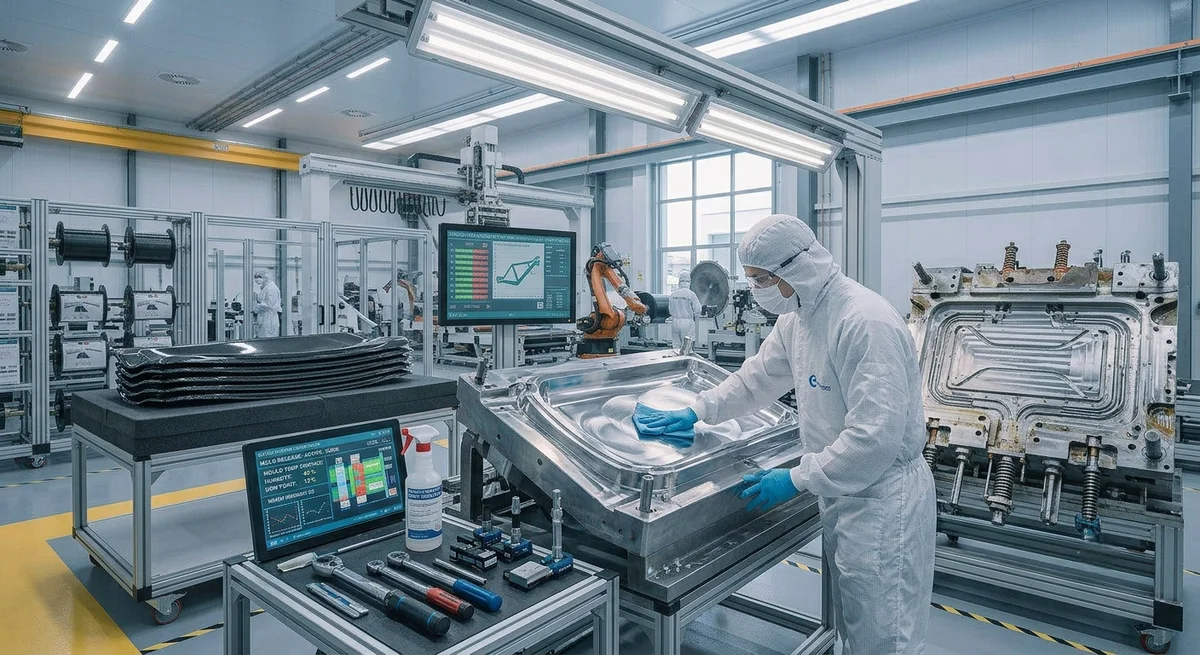
A manufacturer of carbon fiber automotive trim panels in Bavaria, Germany, producing 3,000 parts per year on a single 1.5m × 0.8m compression mold, switched from a wax-based release system to a semi-permanent spray system. Results:
Before (Wax): 1 release per application, 2.5 minutes application time per part, 1.8% scrap rate due to surface defects, 3% paint adhesion failures.
After (Semi-Permanent): 18 releases per application, 3 minutes application per 18-part cycle (10 seconds effective per part), 0.3% scrap rate, 0.1% paint adhesion failures.
Annual cost savings: $8,400 in labor, $2,100 in reduced scrap, $1,800 in reduced paint rework. Total annual savings: $12,300. The semi-permanent system cost premium of $1,200/year was more than offset by savings.
Frequently Asked Questions
Q: Can I mix different release agent chemistries on the same mold?
A: Cross-contamination between release chemistries is a common cause of release failure. Never mix silicone-based and non-silicone releases on the same tool. If switching between systems, thoroughly strip the mold of all previous release residues using a solvent-based mold cleaner (typically MEK, acetone, or a proprietary mold cleaner). Apply a minimum of three sacrificial coats of the new system before producing production parts. Some chemistries (e.g., fluoropolymer-based semi-permanent and phosphate ester IMR) are designed for compatibility—always consult the manufacturer's technical data sheet before combining.
Q: How do I know when to strip and reapply the complete release system?
A: Three indicators: (1) the plateau effect—when a freshly applied coat yields fewer than 50% of the expected releases compared to a fresh base coat system; (2) visual inspection—if the mold surface shows a cloudy or yellowed appearance rather than the clean metallic reflection of the base mold; (3) part quality decline—increasing surface defects, porosity, or sticking indicates the release film is degrading. As a general rule, strip and reapply every 50–200 releases for semi-permanent systems (depending on temperature and complexity) or when release counts fall by more than 30%.
Q: Do IMR agents affect the mechanical properties of the composite?
A: Standard IMR agents (zinc stearate) can reduce interlaminar shear strength by 5–10% and have been shown to reduce glass transition temperature by 5–15°C due to plasticization of the epoxy matrix. However, modern high-performance IMR agents (phosphate ester and siloxane copolymer types) have negligible effects on mechanical properties, with documented ILSS retention of 95–100% in published studies. For structural parts, we recommend using IMR only as a supplemental release (0.3–0.8% by resin weight) in combination with a semi-permanent external release, rather than as the sole release mechanism.
Q: What is the shelf life of mold release agents, and how should they be stored?
A: Semi-permanent release coatings typically have a shelf life of 12–24 months when stored at 15–25°C in sealed containers. Waxes have indefinite shelf life if kept away from heat (store below 40°C). Aerosol cans should be stored at 10–35°C and never exposed to temperatures above 50°C. IMR additives have varying shelf lives: zinc stearate powders are stable for 24+ months, while liquid IMR agents typically have 6–12 month shelf life. Always check the manufacturer's expiration date and avoid using aged release agents where surface finish is critical—the solvents evaporate and the active chemistry can become more concentrated, leading to over-application and transfer issues.
Q: Are there environmentally preferred mold release options available?
A: Yes, the industry is moving toward reduced-VOC and solvent-free release systems. Water-based semi-permanent release coatings are now available from several major manufacturers, though they typically require higher cure temperatures (100–150°C) and may provide fewer releases per application (5–12 vs 10–25 for solvent-based). Bio-based release agents using modified vegetable oil derivatives are emerging, with bio-content of 30–60%, though these have limited temperature capability (below 150°C). For B2B buyers with sustainability targets, we recommend requesting Environmental Product Declarations from release agent suppliers and evaluating the total lifecycle impact (including solvent emissions during application).
Conclusion
Mold release agent selection is a deceptively complex decision that directly impacts part quality, production efficiency, and cost in carbon fiber composite manufacturing. The optimal choice depends on a balanced evaluation of process temperature, surface finish requirements, production volume, post-processing needs, and environmental compliance.
For most production scenarios, semi-permanent spray-on systems offer the best combination of release performance, surface finish quality, and cost-effectiveness. Internal mold release agents are valuable supplements for high-volume production, and traditional wax/PVA systems remain viable for prototyping and low-volume work.
The key takeaway for B2B buyers: investing in the right mold release system is one of the highest-return decisions in composite manufacturing. A well-chosen system reduces scrap, increases throughput, eliminates secondary cleaning operations, and produces consistently higher-quality parts—all for a material cost representing less than 2% of the finished part value.
Part of topic
Related Articles
- Bio-Based Carbon Fiber Precursors: Lignin and Polyethylene for Low-Cost Production
- Large-Tow Carbon Fiber Cost Analysis: 48K vs 60K Price-Performance Comparison
- Carbon Fiber-Resin Interface Bonding: Surface Treatment and Coupling Agent Optimization
- Digital Twin for Carbon Fiber Manufacturing: Real-Time Process Monitoring and Defect Prevention
- Thermoplastic Carbon Fiber Welding for Automotive: Ultrasonic and Induction Welding Process Windows
- Large-Tow Carbon Fiber Wet Spinning: Process Optimization for 48K/60K Production Efficiency
Interested in Our Products?
Contact our team for competitive pricing and technical specifications.
Get a QuoteRelated Products
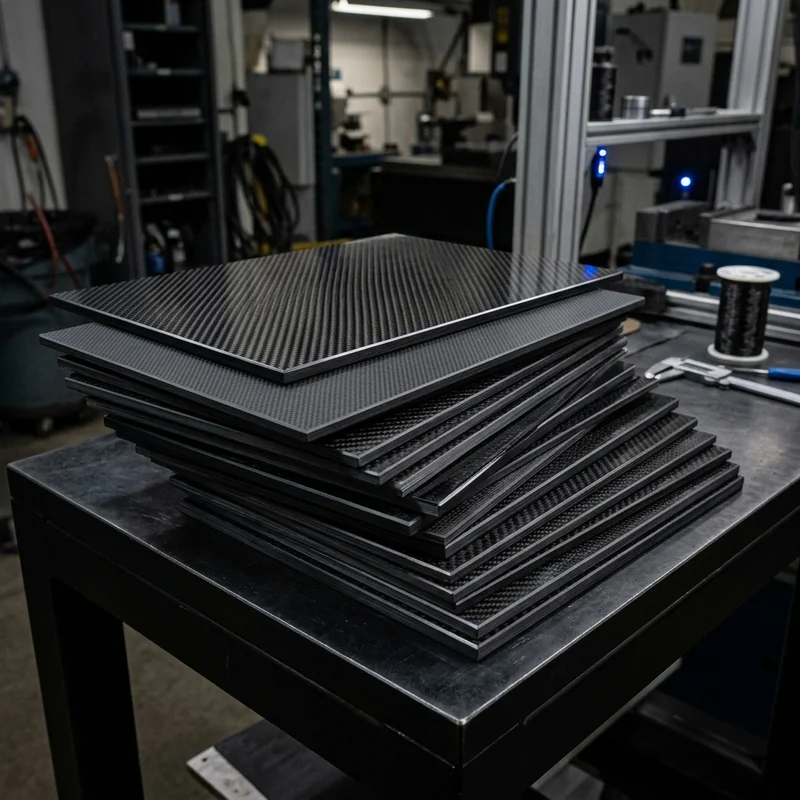
Carbon fiber standard plate-3k stripe
Lightweight, ultra-rigid standard sheets for drone fuselages, robot housings, facades and structural applications.

Carbon Fiber Plate — 3K Twill T700 1.5mm
Thin 1.5mm carbon fiber plate with 3K twill weave surface. Lightweight and stiff, commonly used for covers, panels, drone bodies, and applications requiring a premium aesthetic appearance.

Square Carbon Fiber Tube — 3K Twill T700
Square cross-section carbon fiber tube manufactured with 3K twill weave for torsional strength. Preferred for structural frames, trusses, and support columns where rectangular geometry offers design flexibility.

Carbon Fiber Plate — 3K Twill T700 3.0mm
Medium-thickness 3.0mm carbon fiber plate offering significantly higher load capacity while maintaining attractive 3K twill finish. Suitable for structural brackets, reinforcement plates, and load-bearing panels.
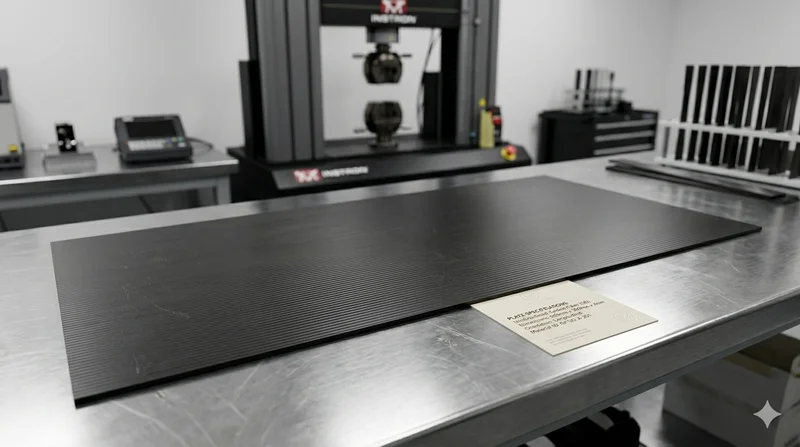
Carbon Fiber Plate — UD Unidirectional T700
Unidirectional carbon fiber plate with all fibers oriented in a single direction for maximum strength along the fiber axis. Essential for structural reinforcements, splints, and applications where load direction is predictable.