
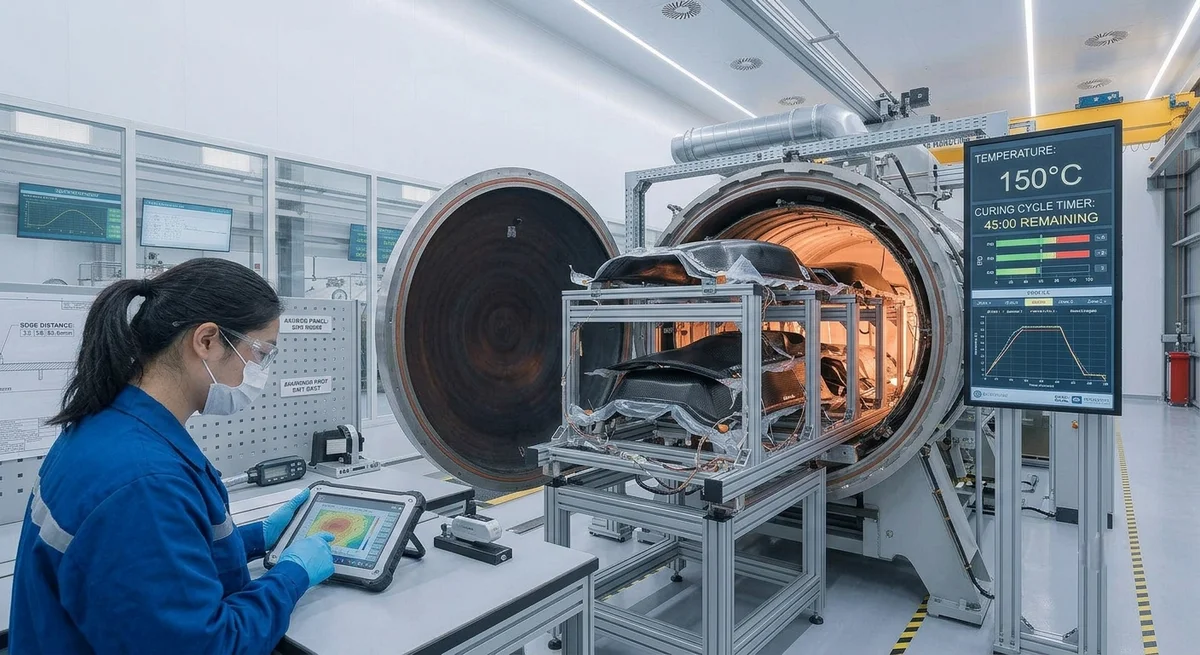
Curing oven design is a critical factor determining the quality, consistency, and cost-efficiency of carbon fiber composite manufacturing. Temperature uniformity across the part geometry directly affects resin cure kinetics, degree of crosslinking, and resulting mechanical properties. This article provides a comprehensive guide to curing oven design parameters, heating technologies, airflow management, and cycle time optimization strategies for B2B buyers evaluating composite manufacturing equipment.
Introduction
The curing stage is arguably the most critical step in carbon fiber composite manufacturing. During curing, the thermoset resin matrix undergoes crosslinking—a chemical transformation that converts the liquid prepolymer into a solid, high-performance polymer network. The quality of this transformation directly determines the final mechanical properties of the composite part: tensile strength, modulus, glass transition temperature (Tg), and long-term durability.
Industrial curing ovens must maintain precise temperature profiles (±2-3°C across the working volume) while achieving rapid heating rates to minimize cycle time. A poorly designed oven can lead to under-cured regions (low Tg, poor mechanical properties), over-cured areas (brittleness, degradation), or non-uniform part quality across different zones of the same oven. For B2B buyers investing in composite manufacturing capacity, understanding curing oven design fundamentals is essential for selecting equipment that delivers consistent, high-quality parts at competitive production costs.
Curing Chemistry Fundamentals
Epoxy Resin Cure Kinetics
The most common matrix system for carbon fiber composites—epoxy resin with amine hardeners—follows an exothermic curing reaction governed by:
- Activation energy (Ea): Typically 50-70 kJ/mol for epoxy-amine systems
- Cure temperature: Standard cure cycles range from 120°C to 180°C
- Degree of cure (α): Target α ≥ 0.95 for full mechanical performance
- Glass transition temperature (Tg): Increases with degree of cure, plateauing at Tg∞ (fully cured value)
The relationship between temperature and cure rate follows the Arrhenius equation:
```
k(T) = A × exp(-Ea / RT)
```
Where a 10°C increase in temperature approximately doubles the cure rate (for Ea = 55 kJ/mol at 150°C).
Temperature Uniformity Requirements
| Application | Temperature Tolerance | Ramp Rate | Hold Time | Typical Tg Target |
|---|---|---|---|---|
| Aerospace-grade prepreg | ±2°C | 1-3°C/min | 120-180 min | ≥180°C |
| Automotive composites | ±3°C | 2-5°C/min | 60-90 min | ≥140°C |
| Sporting goods | ±5°C | 3-8°C/min | 30-60 min | ≥120°C |
| Industrial/commercial | ±5°C | 2-6°C/min | 45-90 min | ≥110°C |
Aerospace applications demand the tightest tolerances because FAA/EASA certification requires documented cure traceability with thermocouple data showing every part zone stayed within specification during the entire cure cycle.
Oven Heating Technologies
Electric Resistance Heating
The most common heating method for composite curing ovens:
- Heater types: Nichrome wire elements, ceramic infrared panels, or quartz tube heaters
- Power density: 3-8 kW/m² of oven wall area
- Temperature range: Ambient to 300°C
- Control accuracy: ±1°C with PID controllers
- Efficiency: 95-98% of electrical energy converted to heat
- Capital cost: Low to moderate ($15,000-50,000 for a 2m³ oven)
Advantages: Clean operation (no combustion byproducts), precise temperature control, fast response, relatively low maintenance.
Disadvantages: Higher operating costs compared to gas in regions with expensive electricity; limited heating rate compared to gas-fired systems.
Gas-Fired Heating
Natural gas or propane burners with heat exchangers:
- Heat output: 50-500 kW
- Temperature range: Ambient to 350°C
- Efficiency: 80-92% (with recuperative burners)
- Capital cost: Moderate to high ($30,000-100,000+)
- Operating cost: 30-50% lower than electric in most regions
Advantages: Lower operating costs, high heating capacity for large ovens, rapid temperature recovery after door openings.
Disadvantages: Combustion products must be properly vented; slower control response than electric; requires gas line installation and annual burner maintenance.
Infrared Heating
Short-wave (0.7-2.5 μm) or medium-wave (2.5-5 μm) infrared emitters:
- Wavelength selection: Thinner parts (<5mm) benefit from medium-wave; thicker sections respond to short-wave penetration
- Power density: 10-30 kW/m²
- Heating rate: Up to 20°C/min surface temperature
- Best for: Thin laminates, tape laying, repair patches, and prepreg warming stations
Advantages: Extremely fast heating, energy-efficient for thin parts, compact footprint.
Disadvantages: Poor temperature uniformity for complex geometries; line-of-sight limitation (shadowed areas receive less radiation); risk of surface overheating at high power densities.
Airflow Management
Proper airflow is the single most important factor in achieving temperature uniformity.
Air Circulation Patterns
| Pattern | Uniformity | Suitable For | Typical Air Velocity |
|---|---|---|---|
| Vertical downflow (perforated ceiling) | ±2°C | Aerospace ovens, large parts | 0.5-1.5 m/s |
| Horizontal crossflow (side-to-side) | ±3°C | General purpose, rack-loaded | 1.0-2.5 m/s |
| Upward flow (floor-to-ceiling) | ±4°C | Small ovens, batch production | 0.3-1.0 m/s |
| Turbulent mixing | ±5°C | Quick curing, non-critical | 2.0-4.0 m/s |
Key design parameters:
- Air changes per minute: 15-25 for composite curing ovens
- Heater-to-workpiece temperature difference: ≤10°C
- Baffle and turning vane placement to eliminate dead zones
- Thermocouple placement: minimum 3 per m³ at part surface level
Vacuum-Assisted Curing
For vacuum bag consolidation during cure:
- Vacuum level: 28-30 inHg (95-101 kPa)
- Vacuum integrity: Leak rate ≤ 5 inHg over 10 minutes
- Bag material: Nylon film (250°F max) or polyimide film (700°F max)
- Breather layer: 2-4 layers of fiberglass fabric for even air extraction
Cycle Time Optimization
Heat-Up Rate Optimization
Theoretical maximum heat-up rate is limited by:
1. Part thermal mass and thickness
2. Exothermic reaction onset (avoid thermal runaway above 130-150°C)
3. Temperature gradient-induced residual stresses (max 5°C/min for thick laminates)
Practical strategies:
- Two-stage ramp: 3°C/min to 100°C → dwell 10 min → 2°C/min to cure temperature
- Preheating tooling: Preheat aluminum molds to 80-100°C before layup
- Using low-exotherm resin systems: Formulated for rapid cure with reduced peak exotherm
- Adaptive ramp rate: Slowing ramp near exotherm onset temperature (130°C for standard epoxy)
Cool-Down Rate
Controlled cooling prevents thermal shock and residual stress:
- Typical rate: 1-3°C/min to below Tg, then 3-5°C/min to room temperature
- Fast cooling risk: Thermal gradients >10°C across part thickness induce warpage
- Best practice: Cool to 60°C before removing from oven; demold at ≤40°C
Total Cycle Time Comparison
| Component Type | Standard Cycle | Optimized Cycle | Savings |
|---|---|---|---|
| 2mm aerospace skin panel | 240 min | 165 min | 31% |
| 5mm automotive structural | 150 min | 105 min | 30% |
| 1.5mm sporting goods part | 90 min | 55 min | 39% |
| 10mm industrial thick laminate | 300 min | 210 min | 30% |
Oven Sizing and Configuration
| Oven Type | Working Volume | Typical Dimensions (W×D×H) | Maximum Part Size | Price Range (USD) |
|---|---|---|---|---|
| Bench-top lab oven | 0.05-0.2 m³ | 0.5×0.5×0.5m | 0.4m | $5,000-15,000 |
| Walk-in batch oven | 1-10 m³ | 1.5×2×2m | 1.8m | $20,000-80,000 |
| Truck-in oven (large) | 10-50 m³ | 2.5×5×3m | 4.5m | $80,000-250,000 |
| Tunnel/continuous oven | Variable | 1.5×10m+ | Width 1.2m | $150,000-500,000+ |
Quality Assurance and Monitoring
Temperature Survey Requirements
Oven temperature surveys (per AMS 2750E or equivalent):
- Initial qualification: 9-16 thermocouples per m³ for 3 consecutive cycles
- Periodic requalification: Quarterly for aerospace applications
- Daily: 3-5 TCs to verify control thermocouple accuracy
Data Recording
Modern composite curing ovens should include:
- Continuous temperature recording: 1 reading per minute minimum
- Data logging: Full cycle data stored for 10+ years (aerospace requirement)
- Alarm systems: High/low temperature alarms (±3°C from setpoint)
- Remote monitoring: Web-based portal for real-time cure status
FAQ
Q: What is the optimal temperature uniformity specification for a composite curing oven?
The required uniformity depends on your application. For general industrial and sporting goods manufacturing, ±5°C across the working volume is acceptable. Automotive applications typically require ±3°C. Aerospace-grade ovens must maintain ±2°C or better to meet NADCAP and OEM requirements. The tighter the specification, the more expensive the oven, so select a uniformity level matched to your product quality requirements. A ±3°C oven typically costs 20-30% more than a ±5°C oven of the same size.
Q: Can I use a modified powder-coating oven for carbon fiber curing?
Not recommended without significant modifications. Powder-coating ovens are designed for 180-220°C operation but lack the temperature uniformity (±8-15°C typical) and precise ramp rate control required for composite curing. Modifications needed include: upgrading to high-velocity circulation fans (minimum 15 air changes per minute), adding baffle systems and turning vanes for uniform airflow, installing precision PID controllers with ramp/soak programming capability, and adding multiple thermocouple inputs for temperature survey monitoring. After modifications, the total cost often exceeds that of a purpose-built composite curing oven.
Q: How do I determine the correct oven size for my production volume?
Calculate required oven volume using: Required volume = (Annual part volume × cycle time per batch) / (Working days per year × shifts per day × utilization factor). A typical utilization factor (actual curing time vs. total oven available time) is 60-70% accounting for loading/unloading and ramp time. Overspecifying volume by more than 30% leads to unnecessary energy costs and floor space consumption. Conversely, ovens running at >85% capacity cause scheduling bottlenecks. The sweet spot is 70-80% average utilization.
Conclusion
Curing oven design directly impacts carbon fiber composite quality, production throughput, and manufacturing cost. Key design decisions—heating technology selection, airflow management, temperature control accuracy, and cycle optimization—must be matched to the specific application requirements. For B2B buyers, investing in a properly specified curing oven with adequate uniformity, data recording capability, and energy-efficient design yields returns through reduced scrap rates, faster cycles, and consistent part quality. Regular temperature surveys and preventive maintenance ensure the oven continues to perform to specification throughout its 15-20 year service life.
Part of topic
Related Articles
- Bio-Based Carbon Fiber Precursors: Lignin and Polyethylene for Low-Cost Production
- Large-Tow Carbon Fiber Cost Analysis: 48K vs 60K Price-Performance Comparison
- Carbon Fiber-Resin Interface Bonding: Surface Treatment and Coupling Agent Optimization
- Digital Twin for Carbon Fiber Manufacturing: Real-Time Process Monitoring and Defect Prevention
- Thermoplastic Carbon Fiber Welding for Automotive: Ultrasonic and Induction Welding Process Windows
- Large-Tow Carbon Fiber Wet Spinning: Process Optimization for 48K/60K Production Efficiency
Interested in Our Products?
Contact our team for competitive pricing and technical specifications.
Get a QuoteRelated Products
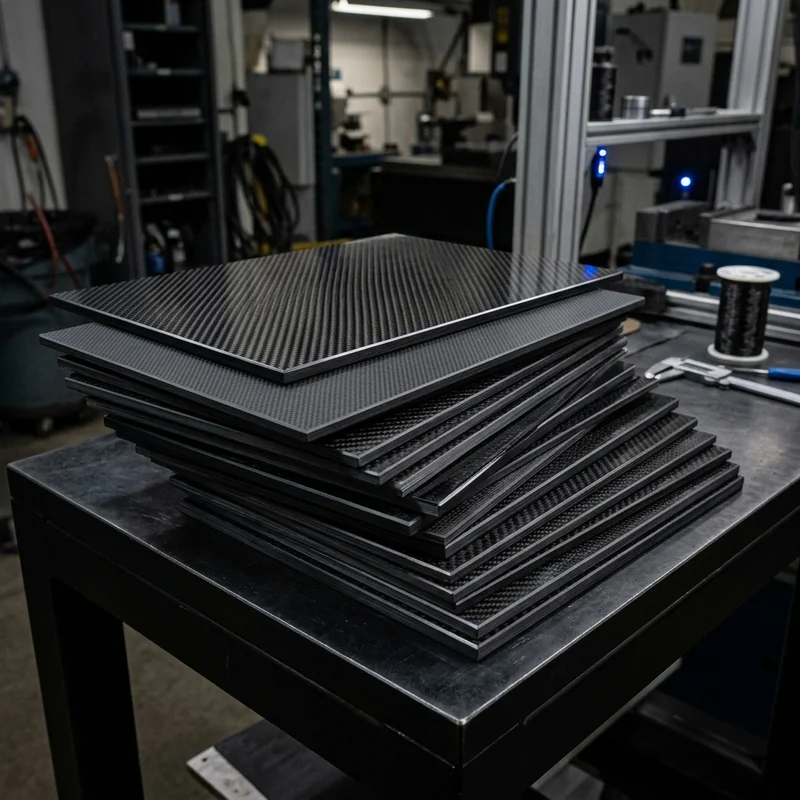
Carbon fiber standard plate-3k stripe
Lightweight, ultra-rigid standard sheets for drone fuselages, robot housings, facades and structural applications.
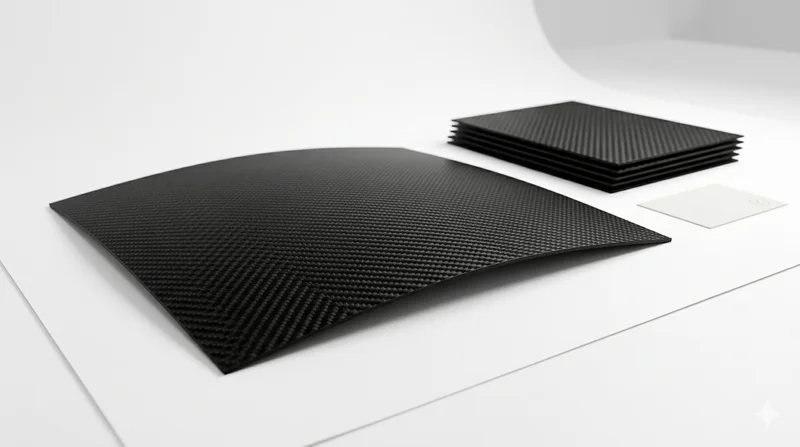
Carbon Fiber Plate — 3K Twill T700 1.5mm
Thin 1.5mm carbon fiber plate with 3K twill weave surface. Lightweight and stiff, commonly used for covers, panels, drone bodies, and applications requiring a premium aesthetic appearance.
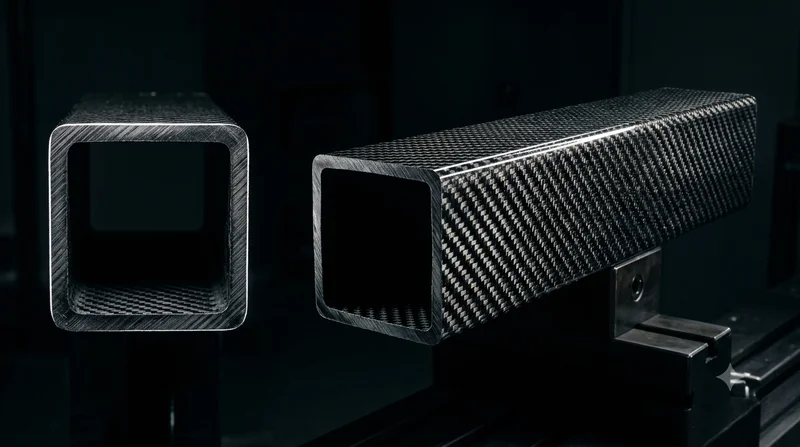
Square Carbon Fiber Tube — 3K Twill T700
Square cross-section carbon fiber tube manufactured with 3K twill weave for torsional strength. Preferred for structural frames, trusses, and support columns where rectangular geometry offers design flexibility.
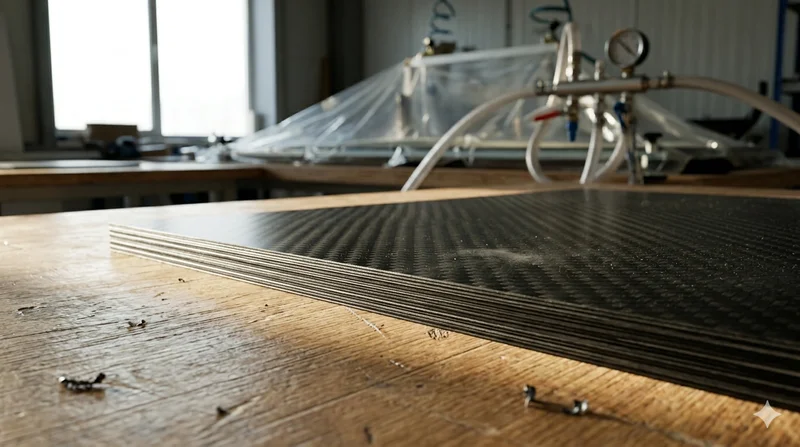
Carbon Fiber Plate — 3K Twill T700 3.0mm
Medium-thickness 3.0mm carbon fiber plate offering significantly higher load capacity while maintaining attractive 3K twill finish. Suitable for structural brackets, reinforcement plates, and load-bearing panels.
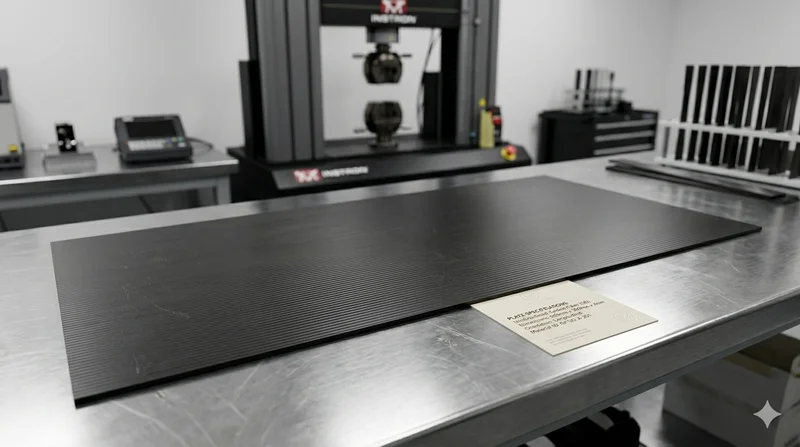
Carbon Fiber Plate — UD Unidirectional T700
Unidirectional carbon fiber plate with all fibers oriented in a single direction for maximum strength along the fiber axis. Essential for structural reinforcements, splints, and applications where load direction is predictable.