
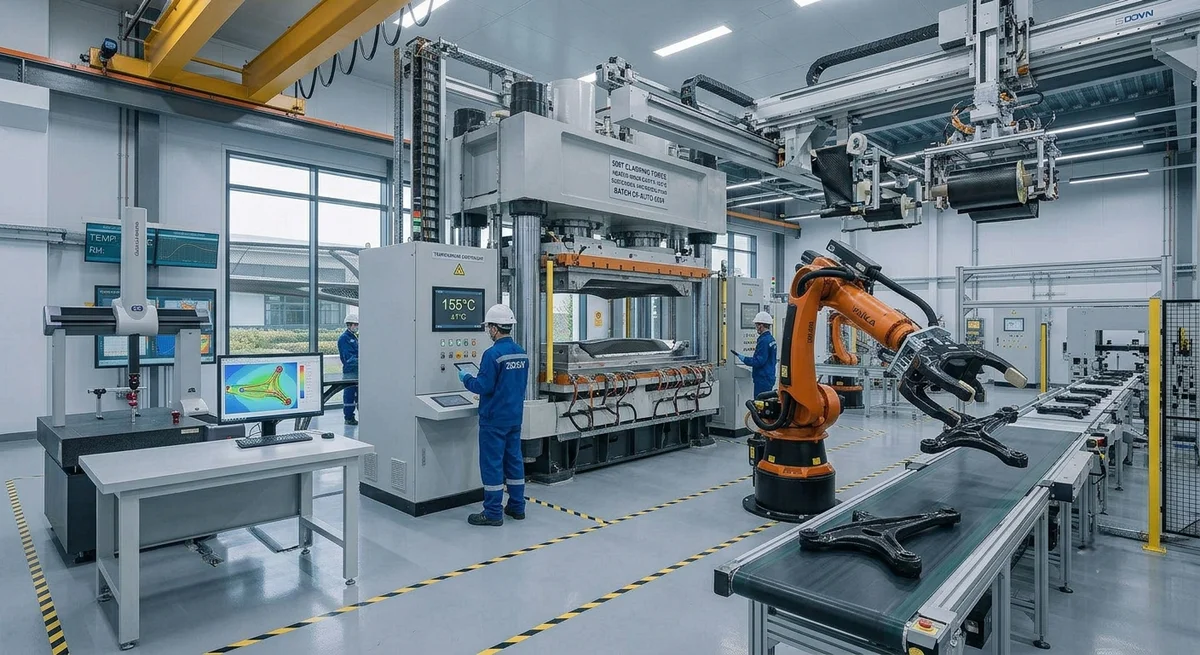
A technical deep dive into carbon fiber compression molding — covering critical process parameters, tooling design principles, cycle time optimization, and cost analysis for high-volume production.
Introduction
Compression molding is one of the most efficient and widely adopted manufacturing processes for carbon fiber reinforced polymer (CFRP) components, particularly in the automotive, sporting goods, and industrial equipment sectors. Unlike autoclave curing — which requires expensive capital equipment and extended cycle times — compression molding offers a compelling balance of part quality, production speed, and cost efficiency. This guide provides a comprehensive technical overview of process parameters, tooling design considerations, and cost optimization strategies for B2B buyers and manufacturing engineers evaluating compression molding for carbon fiber production.
Compression Molding Process Overview
In compression molding, a pre-measured charge of carbon fiber material — typically Sheet Molding Compound (SMC), prepreg stacks, or tailored fiber preforms — is placed into a heated metal mold cavity. The mold is closed under hydraulic pressure, forcing the material to flow and fill the cavity while heat cures the resin matrix. Typical cycle times range from 3 to 15 minutes depending on part thickness, resin chemistry, and mold design.
| Process Parameter | Typical Range | Impact on Quality | Impact on Cycle Time |
|---|---|---|---|
| Mold Temperature | 140–170°C | Critical — affects cure rate and viscosity | Higher temp = faster cure (−2 min per 10°C) |
| Clamp Pressure | 50–150 bar | Ensures material flow and void elimination | Higher pressure = faster flow (+15% at 100 bar) |
| Dwell (Cure) Time | 3–12 min | Determines degree of cure (≥95% target) | Direct relationship |
| Charge Size | 102–105% of cavity volume | Excess leads to flash; shortage causes voids | Minimal impact |
| Closing Speed | 1–10 mm/s | Fast close = fiber wash; slow = premature gel | Minor (±30 sec) |
| Preheating (optional) | 60–100°C | Reduces viscosity for complex geometries | Reduces cure time by 15–25% |
Tooling Design Principles
Compression molding tooling represents 10–25% of total project cost for a typical CFRP production run. Proper tool design is therefore essential for economic viability:
- Tool Steel Selection: P20 steel (pre-hardened to 30–35 HRC) is standard for production runs under 10,000 parts. H13 tool steel (45–50 HRC) is recommended for high-volume runs exceeding 50,000 parts due to superior wear resistance and thermal cycling stability.
- Thermal Management: Cartridge heaters (2–4 kW each) spaced at 50–80 mm intervals with thermocouple feedback control. Temperature uniformity across the mold surface should be ±3°C or better to ensure consistent cure.
- Venting: Peripheral vents of 0.1–0.3 mm depth around the mold cavity perimeter to allow air and volatile gas escape during closure. Insufficient venting causes porosity and surface defects.
- Ejection System: Hydraulic or pneumatic ejector pins (8–12 mm diameter) positioned at locations with ≥3° draft angle to prevent part sticking. Ejection force typically ranges from 5–20 kN depending on part geometry.
Cost Optimization Strategies
For B2B buyers evaluating compression molding for carbon fiber components, the following factors drive per-part cost:
- Volume Scaling: Per-part cost decreases non-linearly with volume. At 5,000 parts/year the cost is approximately $18–$35/part; at 50,000 parts/year it drops to $8–$15/part; at 500,000 parts/year, $4–$8/part.
- Material Utilization: Optimizing charge shape and size can reduce material waste from 15–20% down to 5–8%. Net-shape preforming recovers an additional 3–5% material savings.
- Cycle Time Reduction: Each minute of cycle time reduction at 50,000 parts/year saves approximately $0.30–$0.50 per part in labor and overhead costs.
- Multi-Cavity Tooling: Moving from single-cavity to 4-cavity tooling increases tool cost by 150–200% but reduces per-part tooling amortization by 60–70%.
Frequently Asked Questions
What is the optimal mold temperature range for carbon fiber compression molding?
The optimal mold temperature range depends on the resin system being used. Standard epoxy-based prepreg systems cure optimally at 140–160°C, with a peak exotherm temperature not exceeding 180°C to prevent thermal degradation. Phenolic and BMI resin systems require higher temperatures (170–200°C). Temperature ramp rate should be controlled at 2–5°C/min to prevent uneven curing and internal stress buildup in thick laminates (over 5 mm).
How does compression molding compare to autoclave curing in terms of part quality?
Compression molded parts typically achieve 1.5–2.5% void content compared to 0.5–1.0% for autoclave-cured parts. However, compression molding delivers superior thickness tolerance (±0.1 mm vs ±0.3 mm for autoclave), better surface finish on both sides (tool-side finish), and more consistent fiber volume fraction across the part. For structural automotive and industrial applications where tight dimensional tolerances and fast cycle times are priorities, compression molding is often the preferred choice.
What are the minimum production volumes needed for compression molding to be cost-effective?
Compression molding becomes cost-effective at annual volumes above 2,000–3,000 parts. Below this threshold, hand layup or vacuum bagging techniques may offer lower total cost due to the high initial tooling investment ($20,000–$80,000 for a production-grade compression mold). For volumes between 500–2,000 parts, consider using aluminum tooling or 3D-printed mold inserts to reduce upfront investment by 40–60%.
Part of topic
Related Articles
- Bio-Based Carbon Fiber Precursors: Lignin and Polyethylene for Low-Cost Production
- Large-Tow Carbon Fiber Cost Analysis: 48K vs 60K Price-Performance Comparison
- Carbon Fiber-Resin Interface Bonding: Surface Treatment and Coupling Agent Optimization
- Digital Twin for Carbon Fiber Manufacturing: Real-Time Process Monitoring and Defect Prevention
- Thermoplastic Carbon Fiber Welding for Automotive: Ultrasonic and Induction Welding Process Windows
- Large-Tow Carbon Fiber Wet Spinning: Process Optimization for 48K/60K Production Efficiency
Interested in Our Products?
Contact our team for competitive pricing and technical specifications.
Get a QuoteRelated Products
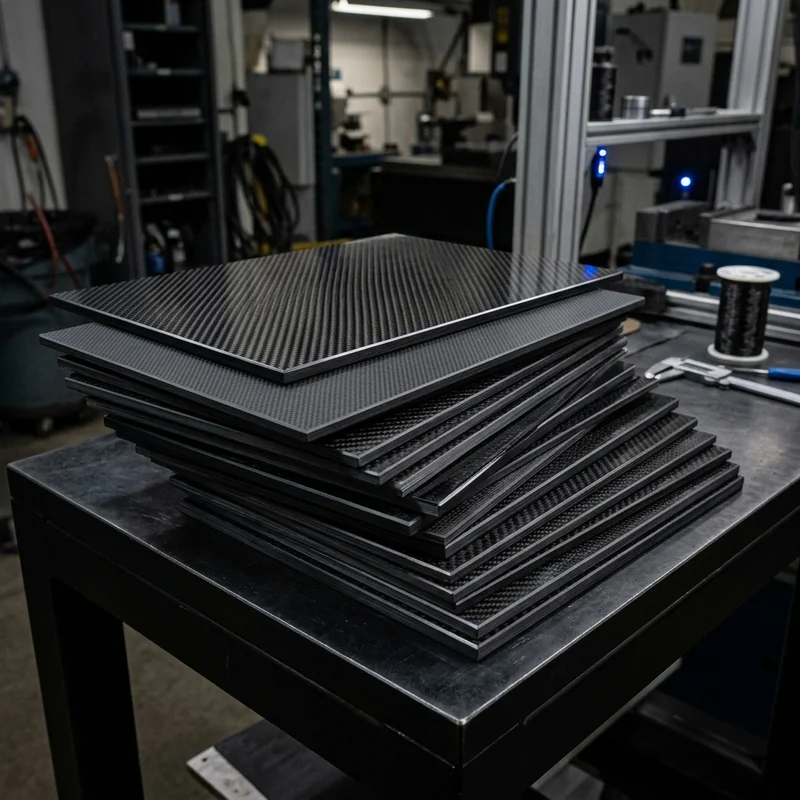
Carbon fiber standard plate-3k stripe
Lightweight, ultra-rigid standard sheets for drone fuselages, robot housings, facades and structural applications.
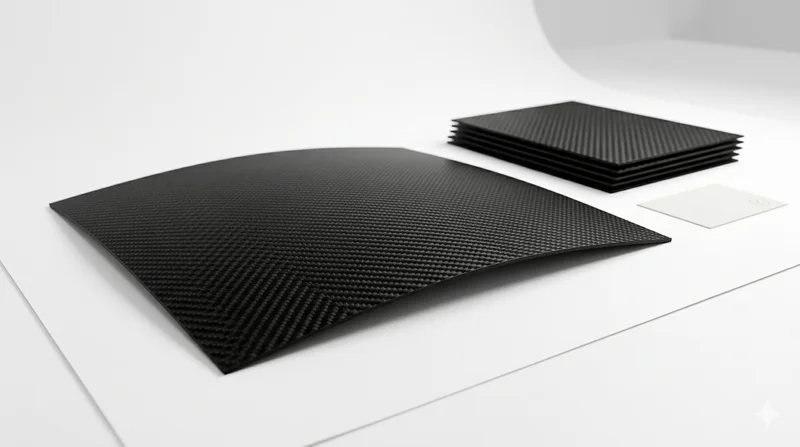
Carbon Fiber Plate — 3K Twill T700 1.5mm
Thin 1.5mm carbon fiber plate with 3K twill weave surface. Lightweight and stiff, commonly used for covers, panels, drone bodies, and applications requiring a premium aesthetic appearance.
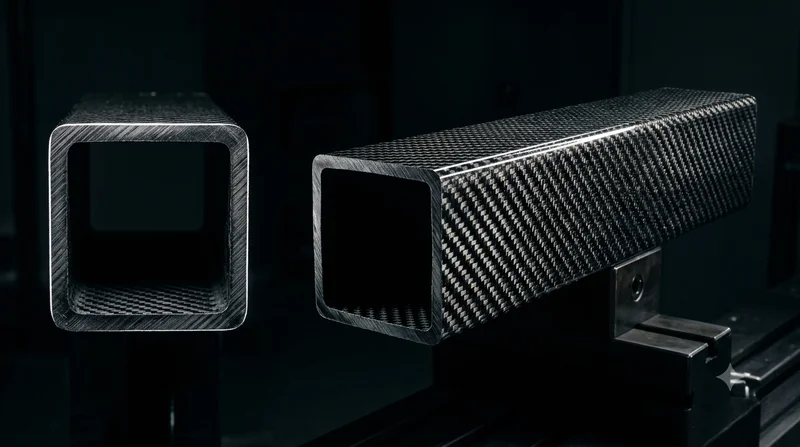
Square Carbon Fiber Tube — 3K Twill T700
Square cross-section carbon fiber tube manufactured with 3K twill weave for torsional strength. Preferred for structural frames, trusses, and support columns where rectangular geometry offers design flexibility.
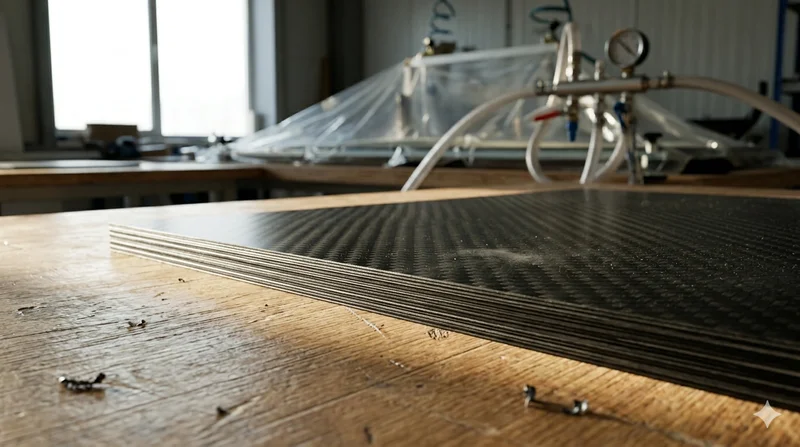
Carbon Fiber Plate — 3K Twill T700 3.0mm
Medium-thickness 3.0mm carbon fiber plate offering significantly higher load capacity while maintaining attractive 3K twill finish. Suitable for structural brackets, reinforcement plates, and load-bearing panels.
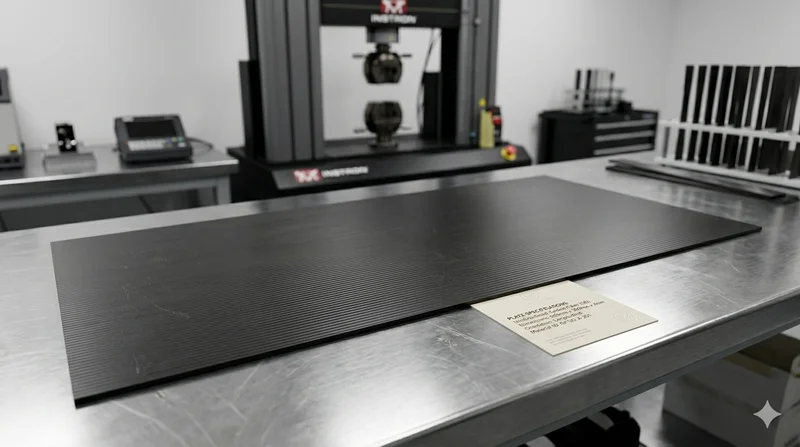
Carbon Fiber Plate — UD Unidirectional T700
Unidirectional carbon fiber plate with all fibers oriented in a single direction for maximum strength along the fiber axis. Essential for structural reinforcements, splints, and applications where load direction is predictable.