
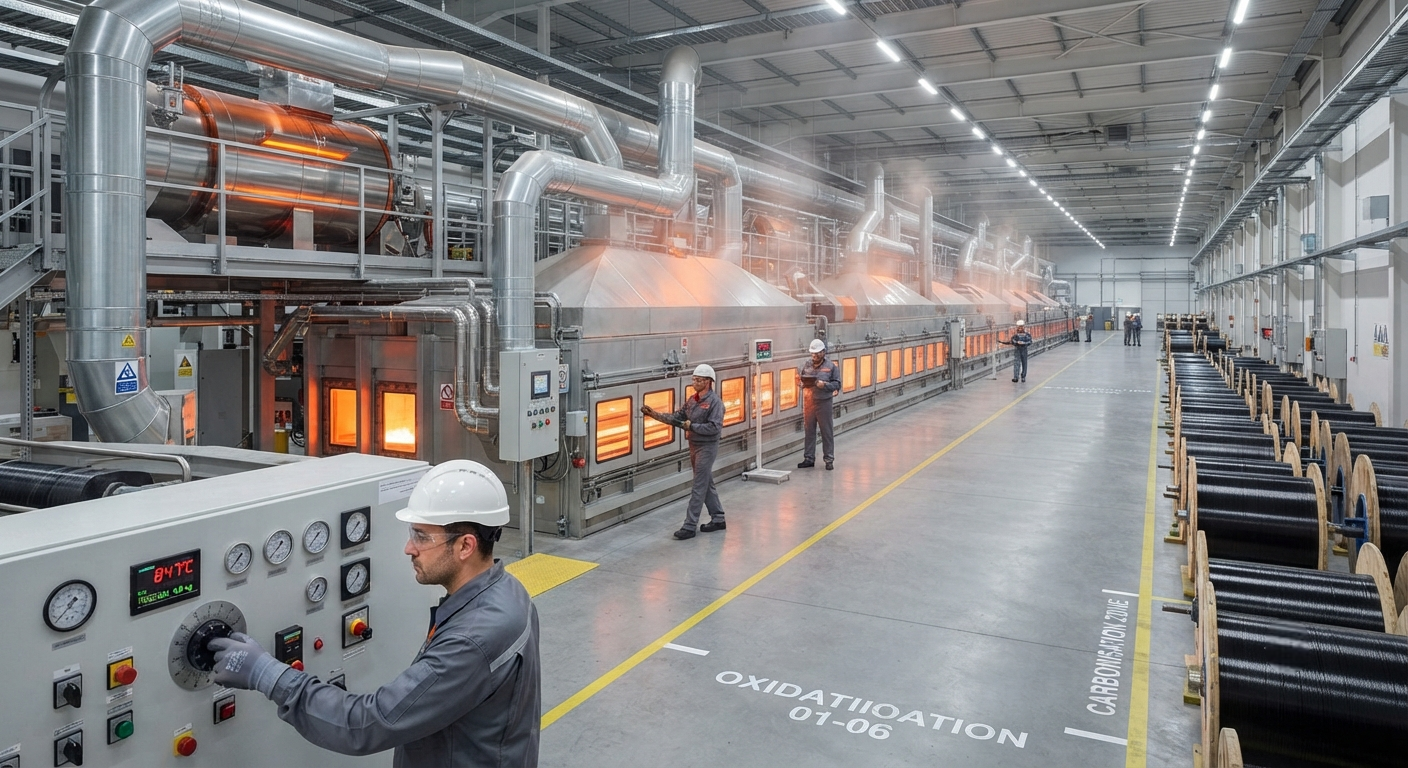
An in-depth analysis of energy consumption in PAN-based carbon fiber manufacturing, breaking down thermal processing costs across oxidation, low-temperature carbonization (LTC), high-temperature carbonization (HTC), and optional graphitization. Includes real production data, optimisation strategies, and a comparative table of energy efficiency across global production lines.
Energy as the Dominant Cost Factor in Carbon Fiber Production
The production of polyacrylonitrile (PAN) based carbon fibre is one of the most energy-intensive manufacturing processes in the advanced materials industry. Energy costs account for 25 to 40 percent of total production cost for standard modulus (230 GPa) carbon fibre, and up to 55 percent for intermediate modulus (300 GPa) and high modulus (400 GPa) grades that require high-temperature graphitization. With global carbon fibre demand projected to reach 200,000 tonnes annually by 2027, the energy intensity of the manufacturing process has become a critical economic and environmental concern for producers worldwide.
The thermal conversion of PAN precursor fibre to carbon fibre involves three primary high-temperature stages: stabilisation (oxidation) in air at 200–300 °C, low-temperature carbonisation (LTC) in an inert atmosphere at 300–1000 °C, and high-temperature carbonisation (HTC) at 1000–1600 °C. For high modulus grades, an additional graphitization step at 2000–2800 °C is required. Each of these stages consumes substantial thermal energy, and the cumulative energy requirement for producing one kilogram of carbon fibre ranges from 45 to 95 kWh depending on fibre grade and production line configuration.
YongXian CarbonFiber operates two continuous carbonisation lines with a combined annual capacity of 1,200 tonnes of standard modulus carbon fibre. The company's production data indicates that energy optimisation at the oxidation stage alone can reduce total manufacturing cost by 8–12 %, making it a priority area for process engineering investment.
Energy Breakdown by Production Stage
Understanding the energy consumption profile at each stage of carbon fibre production is essential for targeted optimisation. The table below presents typical energy consumption values for a modern 1,000-tonne-per-annum carbon fibre line producing standard modulus (230 GPa) grade fibre from a 50K filament count PAN precursor:
| Production Stage | Temperature Range (°C) | Specific Energy (kWh/kg CF) | % of Total Energy | Processing Time (min) | Primary Energy Form |
|---|---|---|---|---|---|
| Oxidation (Stabilisation) | 200 – 300 | 12 – 18 | 25 – 30 | 60 – 120 | Hot air circulation (gas/electric) |
| Low-Temp Carbonisation (LTC) | 300 – 1000 | 10 – 15 | 20 – 25 | 5 – 10 | Electric radiant + inert gas heating |
| High-Temp Carbonisation (HTC) | 1000 – 1600 | 8 – 14 | 18 – 22 | 3 – 8 | Electric graphite resistance |
| Surface Treatment & Sizing | Ambient – 150 | 2 – 4 | 4 – 6 | 2 – 5 | Electric (electrolytic + drying) |
| Graphitization (HM grade only) | 2000 – 2800 | 15 – 35 | 20 – 40 | 2 – 5 | Electric graphite induction |
| Utilities (N₂ generation, cooling, HVAC) | — | 5 – 9 | 10 – 15 | Continuous | Electric |
As the table illustrates, the oxidation stage is the single largest consumer of process energy on a per-stage basis for standard modulus fibre, owing to the long residence time (60–120 minutes) required for complete stabilisation of the PAN precursor. For high modulus grades, graphitization at temperatures exceeding 2000 °C surpasses oxidation as the dominant energy consumer.
Oxidation Optimisation Strategies
The oxidation stage presents the greatest opportunity for energy cost reduction. Several proven strategies can reduce oxidation energy consumption by 15–30 %:
- Gradient temperature profiling: Implementing multi-zone oxidation furnaces with gradually increasing temperature (200 → 250 → 280 → 300 °C) rather than single-temperature zones reduces total energy consumption by 12–18 % while improving stabilisation uniformity.
- Exhaust heat recovery: Exhaust gases from oxidation furnaces exit at 180–250 °C. Installing gas-to-gas heat exchangers to preheat incoming air can recover 55–70 % of exhaust thermal energy, reducing net furnace energy demand by 20–25 %.
- Catalytic stabilisation: The incorporation of potassium permanganate (KMnO₄) or ammonium persulfate (APS) pretreatment prior to oxidation can reduce stabilisation time by 25–40 %, directly proportional to energy savings. This approach, however, requires careful control of precursor chemistry to avoid fibre property degradation.
- Inline tension optimisation: Maintaining optimal fibre tension (2–5 mN/tex) during oxidation reduces fibre shrinkage and allows higher line speeds (2.5–3.5 m/min vs. conventional 1.5–2.0 m/min), increasing throughput and reducing specific energy consumption per kilogram of fibre.
Carbonisation and Graphitization Energy Management
While the oxidation stage dominates residence time, the carbonisation stages dominate peak power demand due to the high operating temperatures. Effective energy management requires attention to several factors:
- Inert gas recirculation: Nitrogen consumption for LTC and HTC furnaces can account for 8–12 % of total utility cost. Closed-loop nitrogen recirculation with oxygen monitoring reduces purge gas consumption by 40–60 %.
- Graphite felt insulation upgrades: Replacing conventional carbon felt insulation with high-purity rigid graphite felt (density 0.15–0.18 g/cm³) reduces thermal losses in HTC furnaces by 15–20 %. Payback period is typically 12–18 months based on energy savings alone.
- Thermal zoning: Dividing the HTC furnace into 3–5 independently controlled thermal zones allows precise temperature profiling that reduces peak power draw by 8–12 % compared to a single-zone furnace of equivalent throughput.
- Waste heat integration: The exhaust from HTC furnaces (800–1200 °C) can be directed through a thermal oxidiser and then to a steam generator to produce process steam for earlier-stage drying and preheating. Integrated heat recovery can offset 10–15 % of total plant thermal energy demand.
Economic Impact: Energy Cost per Tonne of Carbon Fibre
At an average industrial electricity price of USD 0.08 per kWh and natural gas at USD 4.50 per MMBtu, the energy cost per tonne of standard modulus carbon fibre ranges from USD 3,600 to USD 7,600. The wide range reflects differences in production line age, fibre grade, precursor quality, and local utility pricing. For comparison, a modern optimised production line in China with integrated heat recovery and gradient oxidation profiling can achieve energy costs approaching USD 3,200 per tonne for standard modulus fibre, while a non-optimised line in Europe with higher electricity prices (USD 0.13–0.18/kWh) may exceed USD 9,000 per tonne. These disparities drive the geographic distribution of carbon fibre production capacity toward regions with competitive industrial electricity pricing, such as China (average USD 0.065/kWh for large-scale industrial users), the Middle East, and the southeastern United States.
Frequently Asked Questions
What is the single largest energy-saving opportunity in PAN-based carbon fibre production?
The oxidation (stabilisation) stage offers the largest single energy-saving opportunity, accounting for 25–30 % of total energy consumption. Gradient temperature profiling combined with exhaust heat recovery can reduce oxidation energy demand by 35–45 %, representing a 10–14 % reduction in overall production energy cost. For a 1,000-tonne-per-annum production line, this translates to annual savings of USD 350,000–500,000 at current energy prices.
How does fibre grade (standard modulus vs. high modulus) affect production energy cost?
High modulus carbon fibre (380–450 GPa) requires an additional graphitization step at 2000–2800 °C, which adds 15–35 kWh per kilogram to the energy budget — a 40–70 % increase over standard modulus fibre production. Total specific energy for high modulus fibre ranges from 75 to 95 kWh/kg, compared to 45–65 kWh/kg for standard modulus. The cost premium for high modulus fibre is approximately USD 4,000–8,000 per tonne in energy terms alone, before accounting for lower production yields and higher precursor costs.
Can renewable energy sources economically power carbon fibre production?
Yes, but only under specific conditions. The high thermal energy demand (60–80 % of total) requires continuous process heat at 200–2800 °C, making direct electrification via solar PV or wind challenging without thermal energy storage. However, co-locating carbon fibre plants with industrial waste heat sources (steel mills, cement kilns, or hydrogen production facilities) can reduce fossil fuel consumption by 30–50 %. Several Chinese carbon fibre producers are currently piloting integration with steel plant off-gas for oxidation furnace heating, achieving a 25 % reduction in natural gas consumption.
Emerging Technologies for Energy Reduction
Several emerging technologies promise further reductions in the energy intensity of carbon fibre production. Microwave-assisted plasma carbonisation, currently at TRL 6–7 in pilot-scale trials, demonstrates 30–50 % reduction in carbonisation energy consumption by directly heating the fibre through microwave absorption rather than convection. Plasma oxidation, which uses atmospheric-pressure dielectric barrier discharge (DBD) to accelerate the stabilisation reactions, has shown the potential to reduce oxidation time from 90 minutes to under 30 minutes in laboratory trials. Additionally, lignin-based precursors — while still limited by lower carbon yield (30–40 % versus 50–55 % for PAN) — require significantly lower carbonisation temperatures (600–1000 °C) and shorter stabilisation times, offering a potential 40–60 % reduction in total energy consumption once the fibre quality parity with PAN-based fibre is achieved at commercial scale. YongXian CarbonFiber is actively monitoring these developments through its R&D partnership with the Carbon Fibre Technology Innovation Centre at Donghua University.
Part of topic
Related Articles
- Bio-Based Carbon Fiber Precursors: Lignin and Polyethylene for Low-Cost Production
- Large-Tow Carbon Fiber Cost Analysis: 48K vs 60K Price-Performance Comparison
- Carbon Fiber-Resin Interface Bonding: Surface Treatment and Coupling Agent Optimization
- Digital Twin for Carbon Fiber Manufacturing: Real-Time Process Monitoring and Defect Prevention
- Thermoplastic Carbon Fiber Welding for Automotive: Ultrasonic and Induction Welding Process Windows
- Large-Tow Carbon Fiber Wet Spinning: Process Optimization for 48K/60K Production Efficiency
Interested in Our Products?
Contact our team for competitive pricing and technical specifications.
Get a QuoteRelated Products
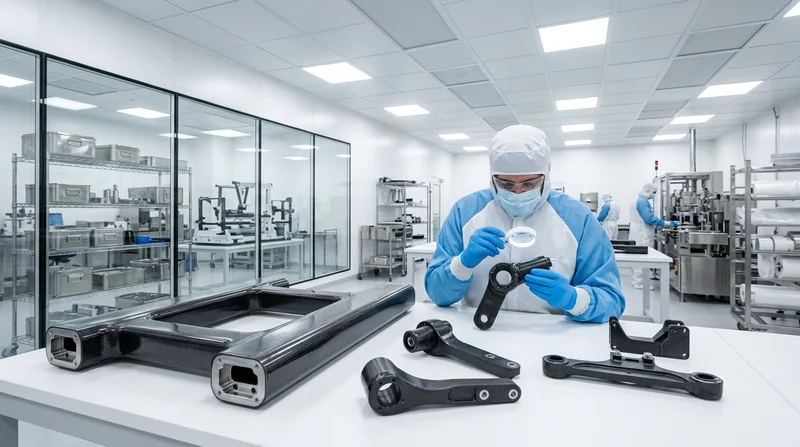
Custom Carbon Fiber Medical Device Components
Medical-grade carbon fiber components manufactured for imaging equipment, surgical instruments, and patient support systems. Carbon fiber's radiolucency (X-ray transparency) and high strength-to-weight ratio make it ideal for CT scanner beds, wheelchair frames, surgical robot arms, and MRI-compatible accessories. Biocompatible resin systems available.
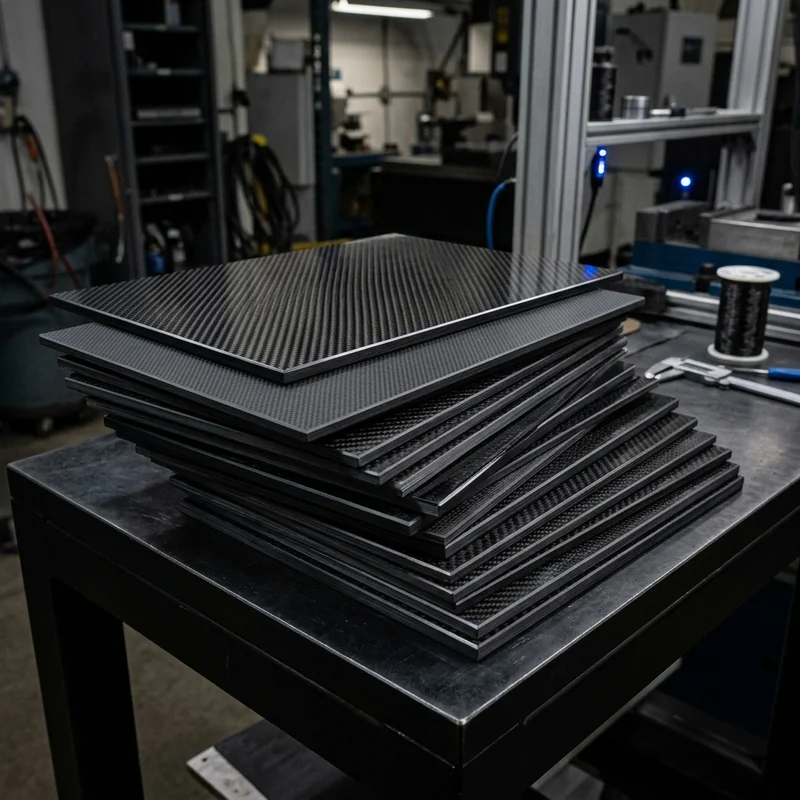
Carbon fiber standard plate-3k stripe
Lightweight, ultra-rigid standard sheets for drone fuselages, robot housings, facades and structural applications.

Square Carbon Fiber Tube — 3K Twill T700
Square cross-section carbon fiber tube manufactured with 3K twill weave for torsional strength. Preferred for structural frames, trusses, and support columns where rectangular geometry offers design flexibility.

Carbon Fiber Plate — 3K Twill T700 3.0mm
Medium-thickness 3.0mm carbon fiber plate offering significantly higher load capacity while maintaining attractive 3K twill finish. Suitable for structural brackets, reinforcement plates, and load-bearing panels.

Carbon Fiber Plate — 3K Twill T700 1.5mm
Thin 1.5mm carbon fiber plate with 3K twill weave surface. Lightweight and stiff, commonly used for covers, panels, drone bodies, and applications requiring a premium aesthetic appearance.