
A carbon fiber plate for big toe bracing is a conservative tool for hallux rigidus, turf toe, and post-injury stiffness: a thin, stiff insert that limits how far the big toe joint bends during push-off, so the joint is loaded over a shorter arc and the painful end-range is partially avoided. It is n
Introduction
A carbon fiber plate for big toe bracing is a conservative tool for hallux rigidus, turf toe, and post-injury stiffness: a thin, stiff insert that limits how far the big toe joint bends during push-off, so the joint is loaded over a shorter arc and the painful end-range is partially avoided. It is not a cure for joint degeneration, and it works best when thickness, length, and wear time are matched to the person and the shoe rather than bought off a generic size chart.
This guide explains how the plate changes load at the metatarsophalangeal joint, how to choose thickness and length for a carbon fiber toe plate, how to fit one into everyday footwear, and what wear schedules keep the joint comfortable without weakening the muscles that still need to work.
Carbon Fiber Plate for Big Toe: How Bracing Changes Load
The big toe joint normally dorsiflexes sixty degrees or more during a normal walking push-off. In hallux rigidus, cartilage loss and bone spurs make that motion stiff and painful at the end of the range. A stiff plate under the forefoot acts as a partial extension block: it reduces the angle the joint has to reach before the shoe and plate take over, so the painful last degrees of dorsiflexion are spent against carbon rather than against inflamed joint surfaces. The same idea appears in turf toe braces used by athletes, where the goal is to protect an injured joint during push-off rather than to restore full motion.
Thickness controls how much motion remains. Very thin plates around one millimeter still allow a lot of bend and suit early stiffness or mild cases; two to three millimeters noticeably stiffens push-off and suits moderate rigidus; thicker builds approach a walking-boot effect and are usually temporary post-op tools rather than daily wear. Length matters just as much: a plate that ends before the interphalangeal joint leaves that joint free, while a full-length plate also stabilizes the lesser toes and changes gait more visibly.
Choosing Thickness and Length for a Carbon Fiber Toe Plate
Fit decisions should start from the diagnosis and the shoe, not from the thinnest plate available. Three practical pairings cover most cases.
- Mild stiffness, dress shoes: one to one-and-a-half millimeters, cut to end just behind the big toe joint, so the plate disappears under a slim insole.
- Moderate rigidus, athletic shoes: two to two-and-a-half millimeters, full forefoot length, paired with a slightly stiffer outsole shoe so the plate and sole share the block.
- Post-op or acute protection: three millimeters or a commercial rigid insert, worn under medical guidance, with a rocker-bottom shoe if the joint still cannot accept flat push-off.
Material quality is not marketing here: a plate with uneven fiber alignment will flex preferentially on one side and twist the toe during push-off. Ask for flatness and stiffness figures per batch, and check that the plate stays flat after a week in a warm shoe — cheap laminates can take a set.
| Condition stage | Plate thickness | Plate length | Shoe pairing | Wear goal |
|---|---|---|---|---|
| Early stiffness | 1.0 - 1.5 mm | Ends behind MTP joint | Dress or casual | Comfort through a workday |
| Moderate hallux rigidus | 2.0 - 2.5 mm | Full forefoot | Supportive athletic | Pain-free walking 5+ km |
| Severe rigidus | 2.5 - 3.0 mm | Full forefoot + rocker sole | Rocker walking shoe | Reduce end-range load |
| Post-op protection | 3.0 mm+ | Per surgical protocol | As prescribed | Guard the repair |
Fitting a Carbon Fiber Plate into Daily Shoes
The plate has to sit flat under the insole without bunching, and the shoe has to have enough volume that the added thickness does not press the dorsum of the foot. Start by removing the factory insole and placing the plate directly on the strobel board; if the shoe has a molded insole, trim the plate shorter rather than stacking it under a thick sock liner. Rocker soles pair well with stiffer plates because the roll replaces the push-off the joint cannot provide. Break-in is gradual: first week a few hours a day inside the house, second week add outdoor walks, and only then full-day wear. Numbness, a burning sensation at the joint, or altered balance are signals to shorten the plate or drop thickness, not signals to push through.
Frequently Asked Questions
Will a carbon fiber plate for big toe make hallux rigidus go away?
No. The plate changes how load reaches the joint during push-off, which reduces pain for many people, but it does not restore cartilage or remove bone spurs. Think of it as a load-management tool that can delay or avoid more aggressive treatment while you and your clinician decide on the next step.
How long each day should I wear a carbon fiber toe plate?
Start with two to four hours inside the home for the first week, then build toward full-day wear if comfort allows. Long continuous days without breaks can stiffen the calf and shift pain upward, so remove the plate during seated work and stretch the ankle regularly.
Can I run with a carbon fiber plate for big toe bracing?
Some people with mild stiffness can run short distances on a supportive shoe with a thin plate, but moderate to severe rigidus usually cannot tolerate running loads on a blocked joint. Get clearance from a clinician before returning to running, and treat any increase in joint pain as a stop signal rather than a training adaptation.
Conclusion
A carbon fiber plate for big toe bracing earns its place when thickness, length, and wear schedule match the stage of the joint and the shoe you actually walk in. It is a conservative load-management option, not a joint rebuild — and a poorly fitted plate can twist the toe or numb the foot as easily as a well-fitted one can restore a comfortable stride.
YongXian supplies flat carbon fiber plate stock for orthotic and bracing fabricators: controlled thickness from 0.8 to 3.0 millimeters, batch flatness reports, and cut-to-shape service for custom toe plates and footwear inserts. Review plate stock specifications or request a sample sheet for your next fabrication run.
Part of topic
Related Articles
- Best Carbon Fiber Plate Basketball Shoes: Court Performance Tradeoffs
- Best Carbon Fiber Rod Blanks: Power, Action, and Build Tips
- Best Carbon Fiber License Plate Frames: Fit, Finish, and Fade Resistance
- Best Carbon Fiber Plate Shoes: How to Compare Stiffness and Drop
- Carbon Fiber Plate Shoes: What the Insert Changes
- Carbon Fiber Plate for Running Shoes: Stiffness vs Energy Return
Interested in Our Products?
Contact our team for competitive pricing and technical specifications.
Get a QuoteRelated Products

Round Carbon Fiber Tube — 3K Plain Weave T700
Standard round carbon fiber tube manufactured from Toray T700 grade fiber with 3K plain weave. Offers balanced strength and stiffness for general industrial applications including robotics, automation, sports equipment, and aerospace structures.

Square Carbon Fiber Tube — 3K Twill T700
Square cross-section carbon fiber tube manufactured with 3K twill weave for torsional strength. Preferred for structural frames, trusses, and support columns where rectangular geometry offers design flexibility.
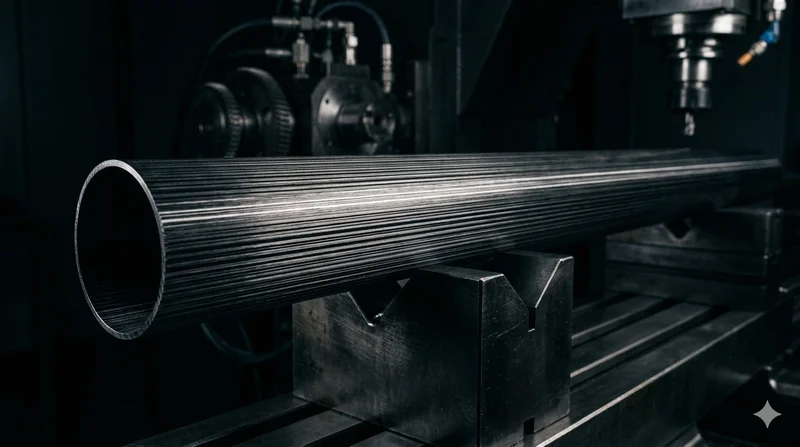
Round Carbon Fiber Tube — UD Unidirectional T700
Unidirectional (UD) round tube with all fibers aligned axially for maximum longitudinal stiffness. Ideal for applications requiring high bending rigidity with minimal weight, such as shafts, struts, and structural reinforcements.
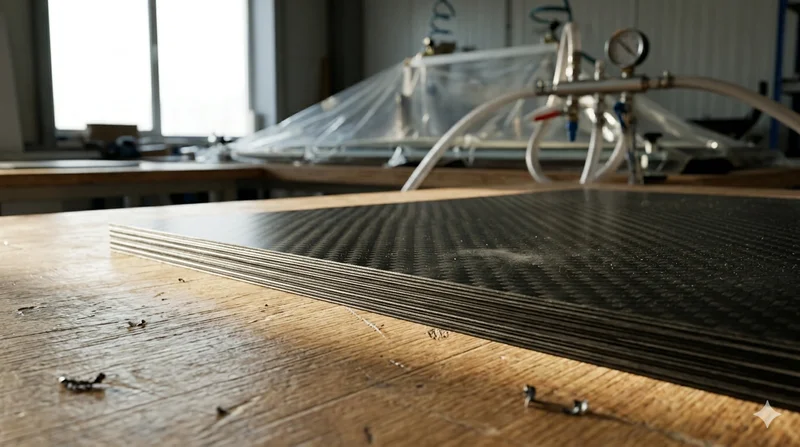
Carbon Fiber Plate — 3K Twill T700 3.0mm
Medium-thickness 3.0mm carbon fiber plate offering significantly higher load capacity while maintaining attractive 3K twill finish. Suitable for structural brackets, reinforcement plates, and load-bearing panels.

Round Carbon Fiber Tube — 3K Twill
Lightweight and ultra-stiff round tubes ideal for drone frames, robotics, and structural applications.