
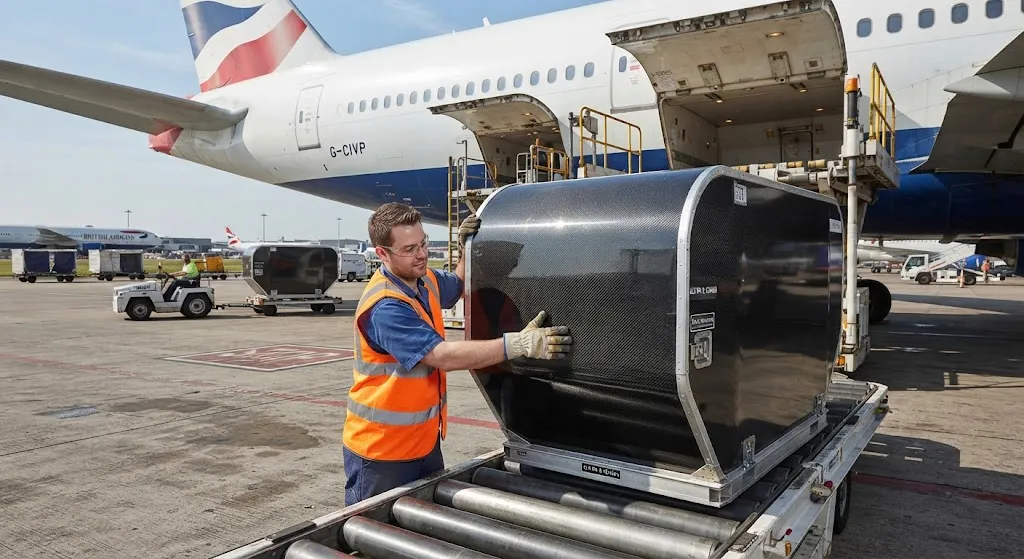
Every kilogram of empty ULD weight is carried by the aircraft on every flight, whether the container is full or empty, and the fuel that carries it comes straight out of the airline's operating margin. A standard aluminum AKE container — the workhorse of the narrowbody belly hold — weig
Introduction
Every kilogram of empty ULD weight is carried by the aircraft on every flight, whether the container is full or empty, and the fuel that carries it comes straight out of the airline's operating margin. A standard aluminum AKE container — the workhorse of the narrowbody belly hold — weighs roughly 70-90 kg, and an LD3 equivalent on widebody fleets is similar. Replacing the aluminum skins and frames of these containers with carbon fiber reinforced composite panels saves 10-15 kg per unit against the baseline, and for a fleet operating hundreds of containers on thousands of flights a year, that weight compounds into measurable fuel savings, reduced carbon emissions, and lower payload-related costs.
This article is written for airline cargo divisions, leasing companies, and ULD pooling operators who are evaluating composite ULDs against their aluminum installed base. We quantify the fuel and cost math, compare the composite material systems in use today, review the certification framework that ULDs must satisfy, and address the durability and repair questions that determine whether composites make sense for a high-turnover, hard-abuse ground environment.
The Weight and Fuel Math
The economic case for composite ULDs is built on a simple equation: empty weight reduction times flights times fuel cost. The savings are larger than they first appear because of the way aircraft fuel burn scales with weight.
| Parameter | Aluminum AKE/LD3 | Composite AKE/LD3 | Difference |
|---|---|---|---|
| Empty container weight | 70-90 kg | 55-75 kg | 10-15 kg lighter |
| Fuel burn penalty per kg of tare | 0.02-0.04 kg fuel per kg per flight hour | Directly proportional | |
| Annual flights per container | 300-500 cycles | Usage dependent | |
| CO2 per kg of fuel burned | 3.15 kg CO2 | Fixed factor | |
To put the numbers in context: a container saving 12 kg that flies 400 cycles a year with an average block time of 3 hours burns roughly 12 kg times 0.03 kg per kg per hour times 1,200 block hours, which works out to about 430 kg less fuel per container per year. At a fleet level, a 1,000-container program saves on the order of 430 tonnes of fuel annually, or roughly 1,350 tonnes of CO2. At jet fuel prices that fluctuate between 600 and 900 dollars per tonne, the annual fuel saving per container lands in the range of 260-390 dollars, before accounting for the payload uplift that a lighter container enables on payload-limited flights.
Composite Material Systems for ULDs
Not all composite ULDs are built the same way, and the material system choice affects weight, cost, impact resistance, and repairability. Three approaches dominate the current market:
- CFRP sandwich panels: Carbon fiber face sheets bonded to a lightweight honeycomb or foam core form the walls, roof, and floor of the container. This is the lightest approach and the one that delivers the full 10-15 kg saving against aluminum.
- Fiberglass reinforced panels: Some operators choose glass fiber skins for lower material cost and higher impact tolerance at a weight saving of roughly 5-10 kg versus aluminum. Glass is heavier than carbon but far more forgiving of ground-handling abuse.
- Hybrid construction: Carbon fiber floor and base frame combined with fiberglass or thermoplastic walls balances durability where it matters — the floor takes the concentrated forklift and roller loads — with cost where it does not.
The floor of a ULD is the hardest-working surface in the container system. It must survive repeated roller-conveyor movement, forklift forks sliding beneath it, and the concentrated point loads of heavy cargo. For this reason, most composite ULD floors retain a structural base frame — often aluminum or composite — with a replaceable floor panel, because a floor that can be swapped at the repair station extends the container's economic life far beyond the first impact damage. The side walls and roof, by contrast, see lower loads and are where the full weight saving is realized.
Certification and Regulatory Framework
ULD certification is a two-level system, and composite ULDs must satisfy both levels before entering airline service. The first level is the IATA ULD Technical Manual, which defines the dimensional and structural standards for each container type — the AKE, LD3, and related codes used on passenger aircraft. The second level is the national airworthiness approval, typically a TSO (Technical Standard Order) for the container type, which certifies that the unit meets the structural requirements of the applicable airworthiness regulations.
| Requirement | What It Covers | Typical Test or Evidence |
|---|---|---|
| IATA ULD Technical Manual | Dimensions, max gross weight, restraint and tie-down provisions | Dimensional compliance, restraint fitting |
| TSO / national approval | Structural integrity under flight and ground loads | Static load, pressure differential, tie-down tests |
| Fire and flammability | Material flammability in cargo compartment environments | Fire test per FAR 25.853 or equivalent |
| Repair data and continued airworthiness | Damage tolerance and repair documentation | Repair manual, approved repair procedures |
The fire and flammability requirement deserves special attention for composites. Cargo compartments in modern passenger aircraft are equipped with fire detection and suppression, but the ULD materials themselves must meet flammability limits defined in the airworthiness regulations. Carbon fiber reinforced panels with a suitable fire-retardant resin system pass these tests, but the resin choice is not optional — it is part of the certified design, and substituting a non-approved resin voids the approval. Operators buying composite ULDs should verify that the container carries both the IATA code compliance and the TSO approval, and that the repair procedures are documented and approved for the composite structure.
Durability, Damage, and Repair
The traditional objection to composite ULDs is ground handling: containers are dropped, dragged, forklifted, and stacked thousands of times a year, and aluminum dents while composites are perceived as brittle. In practice, modern composite ULDs are designed around this abuse. The key differences from a structural standpoint:
- Impact behavior: Carbon panels resist penetration and tearing well, but low-velocity impacts can cause internal delamination that is invisible from the surface. This is why composite ULD operators rely on defined inspection points rather than visual checks alone.
- Repairability: A punctured or delaminated panel can be repaired with bonded patch techniques at a certified repair station, restoring both structure and certification. The repair manual defines the allowable damage limits and the approved repair methods, which is why buying from a manufacturer with a documented repair network matters.
- Life cycle: Composite ULDs are typically rated for a service life comparable to aluminum units, with the cost advantage shifting further toward composites if the operator has access to certified repair rather than replacement.
Operators adopting composites usually phase them in gradually, starting with a pilot fleet of a few hundred units to validate the weight saving in their own network, the repair flow, and the durability data under their own ground-handling conditions. The fuel saving is arithmetic and reliable; the durability experience is what separates a successful rollout from a costly one.
Frequently Asked Questions
How much fuel does a composite ULD actually save per year?
For a typical narrowbody AKE container flying about 400 cycles a year with a 3-hour average block time, a 12 kg weight saving reduces fuel burn by roughly 430 kg of jet fuel per year. The calculation uses a fuel penalty of about 0.02-0.04 kg of fuel per kilogram of weight per flight hour, multiplied by the annual block hours. At jet fuel prices of 600-900 dollars per tonne, that is about 260-390 dollars per container per year in fuel alone. A 1,000-container program therefore saves on the order of 430 tonnes of fuel and 1,350 tonnes of CO2 annually, before counting the payload uplift on weight-limited flights. The exact numbers depend on your network's block times, fuel price, and utilization, so operators run the math against their own operating data before committing.
Are composite ULDs as strong as aluminum ones?
Structurally, yes — composite ULDs are certified to the same IATA and TSO requirements as their aluminum counterparts, and the carbon fiber sandwich panels used in modern units exceed the strength-to-weight ratio of aluminum sheet. The practical difference is in damage modes, not load capability. Aluminum deforms visibly on impact and can be hammered back into approximate shape, while carbon panels can hide internal delamination under an intact surface. That is why composite ULD maintenance relies on defined inspection procedures rather than visual checks, and why certified repair stations, documented damage limits, and approved repair methods are part of the package when you buy from a reputable manufacturer. The floor retains a structural base frame with a replaceable panel, so the highest-abuse surface is designed for quick replacement rather than permanent damage.
Do composite ULDs cost more than aluminum ones?
Yes, the purchase price of a composite ULD is higher than an equivalent aluminum unit, reflecting the more expensive materials and manufacturing process. The economic question is total cost of ownership, not purchase price. The annual fuel saving of roughly 260-390 dollars per container compounds over a service life measured in years, and a lighter container also adds payload capability on weight-limited flights, which generates revenue. When fuel saving, payload uplift, and repairability are counted over the container's life, composite ULDs frequently win on total cost of ownership for operators with the volume to manage a repair network. For low-utilization operations, aluminum can still be the right answer, which is why the decision is best made with fleet-specific data rather than a generic rule.
How long does a composite ULD last and how is it repaired?
Composite ULDs are typically designed for a service life comparable to aluminum units, measured in years of high-turnover operation, provided the damage stays within the documented limits. Repairs fall into two categories. Minor surface damage — scratches, small punctures, edge chips — is repaired with bonded patch procedures at a certified repair station, restoring both structure and airworthiness. Major structural damage, such as a cracked base frame or a large delaminated area, may require panel or component replacement, which is why a replaceable floor panel is a design feature of most composite ULDs. The repair data comes from the manufacturer's approved repair manual, which defines allowable damage limits and the approved techniques. Operators should verify that their repair provider is certified for the specific ULD type and that the manufacturer's repair documentation is complete before buying, because unapproved repairs void the TSO approval and ground the container.
Conclusion
Composite ULDs turn the weight that airlines already pay for into a measurable operating saving. A 10-15 kg reduction per container, applied across hundreds of units and thousands of flights, compounds into roughly 260-390 dollars of fuel saving per container per year, with a corresponding cut in CO2 and an increase in payload capability on weight-limited flights. The material systems, certification framework, and repair infrastructure are mature, and the containers are designed around the realities of ground handling rather than against them.
For airline cargo divisions and ULD pooling operators evaluating the switch, the decision comes down to fleet-specific fuel data, repair capability, and a certified product with documented after-sales support. Explore our carbon fiber panel and laminate range for structural applications, or contact our engineering team to discuss material selection and certification support for your ULD program.
Part of topic
Related Articles
- Carbon Fiber Tubes for Sale: Spec Sheet Fields That Actually Matter
- Carbon Fiber Sheets Near Me: Local Dealers and Quick Turnaround Procurement
- Carbon Fiber Tubes Near Me: Local Stock Availability and Same-Day Delivery Options
- Carbon Fiber Plate Orthotic: Lightweight Prosthetic and Medical Device Applications
- Carbon Fiber Sheets 6mm: Specifications, Load Ratings and Application Guide
- Carbon Fiber Rod Grips: Ergonomic Handle Design for Industrial and Sport Applications
Interested in Our Products?
Contact our team for competitive pricing and technical specifications.
Get a QuoteRelated Products
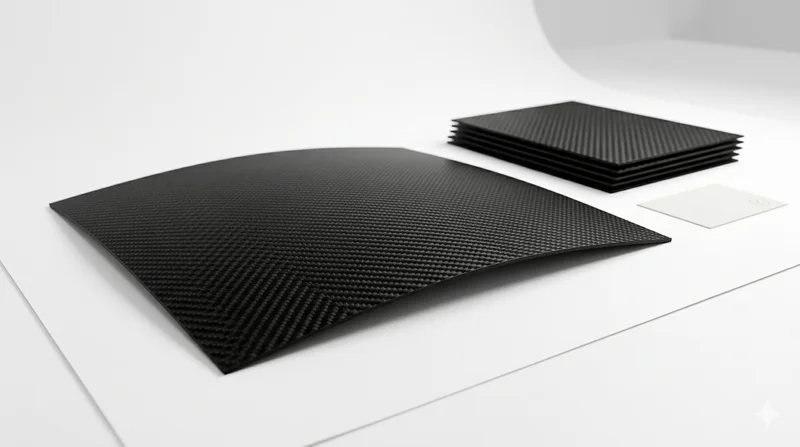
Carbon Fiber Plate — 3K Twill T700 1.5mm
Thin 1.5mm carbon fiber plate with 3K twill weave surface. Lightweight and stiff, commonly used for covers, panels, drone bodies, and applications requiring a premium aesthetic appearance.
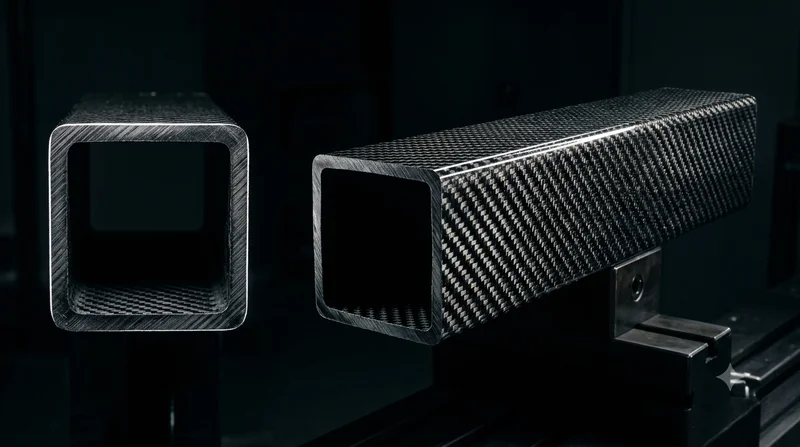
Square Carbon Fiber Tube — 3K Twill T700
Square cross-section carbon fiber tube manufactured with 3K twill weave for torsional strength. Preferred for structural frames, trusses, and support columns where rectangular geometry offers design flexibility.
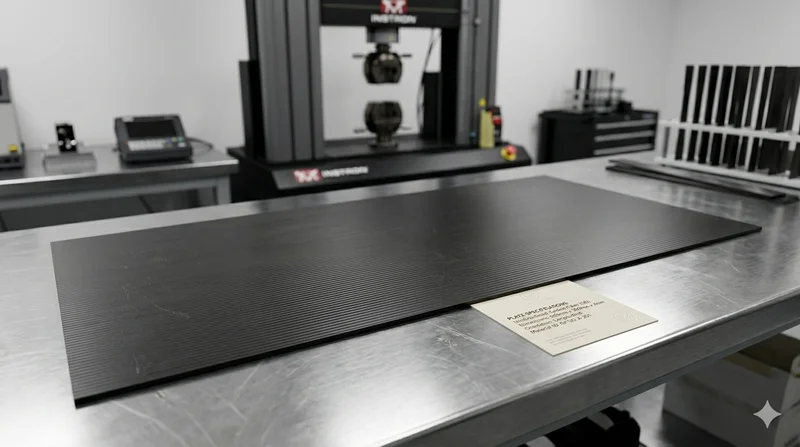
Carbon Fiber Plate — UD Unidirectional T700
Unidirectional carbon fiber plate with all fibers oriented in a single direction for maximum strength along the fiber axis. Essential for structural reinforcements, splints, and applications where load direction is predictable.
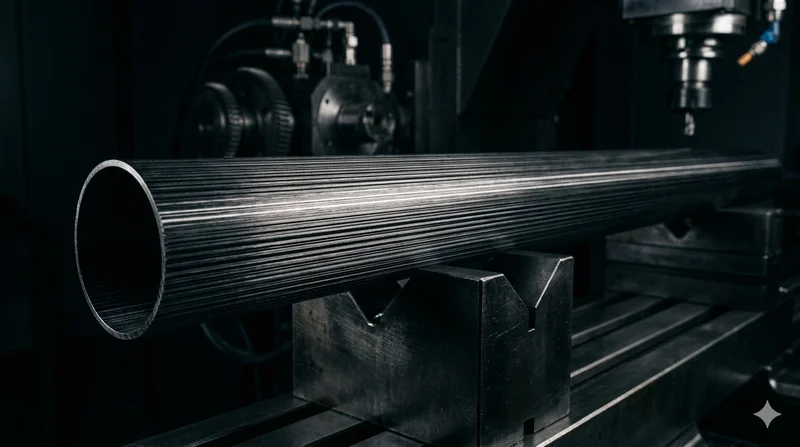
Round Carbon Fiber Tube — UD Unidirectional T700
Unidirectional (UD) round tube with all fibers aligned axially for maximum longitudinal stiffness. Ideal for applications requiring high bending rigidity with minimal weight, such as shafts, struts, and structural reinforcements.
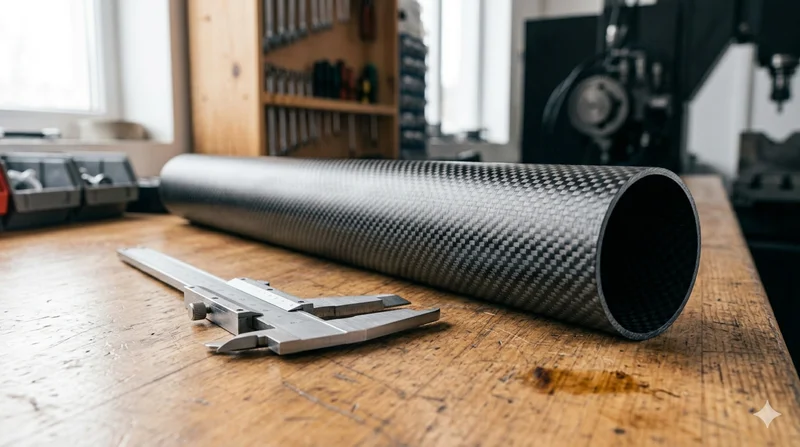
Round Carbon Fiber Tube — 3K Plain Weave T700
Standard round carbon fiber tube manufactured from Toray T700 grade fiber with 3K plain weave. Offers balanced strength and stiffness for general industrial applications including robotics, automation, sports equipment, and aerospace structures.