Carbon fiber sheet minimum order quantity is one of the first commercial questions buyers ask when they move from prototyping to production. Whether you are sourcing panels for drone frames, automotive trim, or industrial fixtures, the minimum quantity a supplier will accept directly shapes your uni
Introduction
Carbon fiber sheet minimum order quantity is one of the first commercial questions buyers ask when they move from prototyping to production. Whether you are sourcing panels for drone frames, automotive trim, or industrial fixtures, the minimum quantity a supplier will accept directly shapes your unit cost, lead time, and inventory risk. This guide breaks down realistic MOQs for different sheet types, explains why suppliers set them, and shows how to negotiate workable terms with carbon fiber sheets suppliers without compromising quality or delivery.
Unlike off-the-shelf hardware, carbon fiber sheets are produced in batches that involve layup, curing, trimming, and inspection. Each setup carries fixed labor and material costs, so suppliers set a floor to keep production economical. Understanding where that floor comes from gives you leverage when you request a quote and helps you decide where to buy carbon fiber for your specific project stage.
Typical Carbon Fiber Sheet Minimum Order Quantity by Type
MOQ is not a single number. It varies by material system, thickness, surface finish, and whether the sheet is a stock size or a custom cut. The table below summarizes common ranges you can expect when requesting quotes.
| Sheet Type | Common Stock Sizes | Typical MOQ | Notes |
|---|---|---|---|
| 3K Twill, Gloss/Matte | 400x500 mm, 500x600 mm | 5-20 sheets | Most widely stocked; lowest barrier for trial orders |
| Plain Weave, Matte | 400x500 mm, 600x600 mm | 10-30 sheets | Slightly lower demand than twill in small sizes |
| Forged Carbon Sheet | 300x400 mm, 400x500 mm | 10-25 sheets | Mold-based process; color consistency matters |
| High-Thickness Plate (>5 mm) | 400x400 mm, 500x500 mm | 5-15 sheets | Longer cure cycles; higher resin content |
| Custom Size or CNC Cut | Per drawing | 20-50 pcs or area equivalent | Nesting and programming time drive the floor |
| Colored / Hybrid Weave | 400x500 mm | 20-50 sheets | Special yarns ordered in batch; higher setup cost |
For buyers looking for carbon fiber sheet for sale in small quantities, stock 3K twill panels are usually the fastest path. Custom thicknesses, unusual weave patterns, or tight flatness tolerances push the minimum up because the supplier must dedicate a production run to your specification.
Why Suppliers Set a Minimum Order Quantity
Understanding the supplier's cost structure makes negotiation easier. A carbon fiber sheet minimum order quantity is rarely arbitrary; it reflects real production constraints.
- Material batching: Prepreg, resin, and core materials are purchased in rolls or drums. Opening a batch for a handful of sheets leaves expensive leftovers.
- Cure cycle economics: An autoclave or press cycle consumes the same energy and operator time whether it holds two sheets or twenty.
- Quality control overhead: First-article inspection, thickness mapping, and visual checks take similar time regardless of lot size.
- Packaging and documentation: Export packing, labels, and test reports carry a fixed per-shipment cost that is hard to absorb on tiny orders.
When you know which of these drivers applies to your order, you can propose alternatives that reduce the supplier's risk, such as accepting stock sizes or combining multiple SKUs in one shipment.
How MOQ Affects Carbon Fiber Sheet Price
Price and MOQ move together. Small orders pay a premium because fixed costs are spread over fewer units. As quantity rises, the per-sheet price typically drops in steps rather than a smooth curve. A request for 10 sheets might be quoted at a retail-level rate, while 50 sheets unlock a wholesale tier, and 200 sheets approach the production-run rate.
Ask carbon fiber sheets suppliers for a tiered quote that shows unit price at three or four quantity breaks. This gives you a clear view of the cost of flexibility. If your annual demand is predictable, you can sometimes commit to a blanket order with scheduled releases, which satisfies the supplier's MOQ while letting you receive goods in smaller batches.
Tips to Negotiate a Lower Carbon Fiber Sheet Minimum Order Quantity
Buyers who need smaller volumes still have options. The following tactics work well in practice:
- Start with stock sizes: Choosing an in-stock 400x500 mm panel removes tooling and setup barriers, often cutting MOQ to five or ten sheets.
- Accept a mixed batch: Combine two or three thicknesses or finishes in one order to reach the supplier's area or weight threshold.
- Pay for setup: Some manufacturers will accept a below-MOQ order if you cover a one-time setup or cutting fee.
- Build a forecast: Sharing a 6- to 12-month demand plan signals repeat business and makes suppliers more willing to flex.
- Ask about sample programs: Many factories offer 1-3 sample sheets at a premium for testing before you commit to a production MOQ.
When evaluating where to buy carbon fiber, compare not just the quoted MOQ but also the supplier's willingness to support pilot runs, provide material certificates, and hold consistent tolerances across repeat orders.
Frequently Asked Questions
What is a typical carbon fiber sheet minimum order quantity for first-time buyers?
For stock 3K twill or plain weave sheets, many carbon fiber sheets suppliers accept 5 to 20 sheets as a first order. Custom sizes, special finishes, or high-thickness plates usually start at 20 to 50 pieces. Always confirm whether the MOQ is counted in sheets, square meters, or total order value, because suppliers use different units.
Can I get carbon fiber sheet for sale below the stated MOQ?
Yes, in some cases. Suppliers may offer sample quantities at a higher unit price, or they may combine your order with another customer's run. Another option is to buy from a distributor who holds stock and breaks bulk, though the per-sheet price will be higher than a factory-direct quote.
Does a higher MOQ always mean a better carbon fiber sheet price?
Generally yes, but the savings taper off. The biggest price drop usually happens between the sample tier and the first production tier. Beyond a certain volume, gains come from logistics and packaging efficiency rather than manufacturing cost. Ask for a tiered quote so you can see where the curve flattens for your specific sheet specification.
Conclusion
Carbon fiber sheet minimum order quantity is shaped by material batching, cure cycles, and quality overhead, not by arbitrary rules. Stock panels offer the lowest entry point, while custom sizes and finishes require larger commitments. By understanding these drivers, asking for tiered pricing, and proposing flexible terms, you can secure a workable MOQ without overpaying or overstocking. If you are comparing carbon fiber sheets suppliers for an upcoming project, browse our carbon fiber sheet range or contact our team for a tiered quote tailored to your size, thickness, and quantity requirements.
Part of topic
Related Articles
- Carbon Fiber Tube Lead Time: Factors, Benchmarks and Planning
- Carbon Fiber Sheet Lead Time: Factors, Benchmarks and Planning
- Carbon Fiber Tube MOQ Supplier: Suppliers, Quantities and Tips
- Carbon Fiber Rod Wholesale Price: Market Benchmarks and Drivers
- Carbon Fiber Plate Wholesale Price: Market Benchmarks and Drivers
- Carbon Fiber Tube Wholesale Price: Market Benchmarks and Drivers
Interested in Our Products?
Contact our team for competitive pricing and technical specifications.
Get a QuoteRelated Products
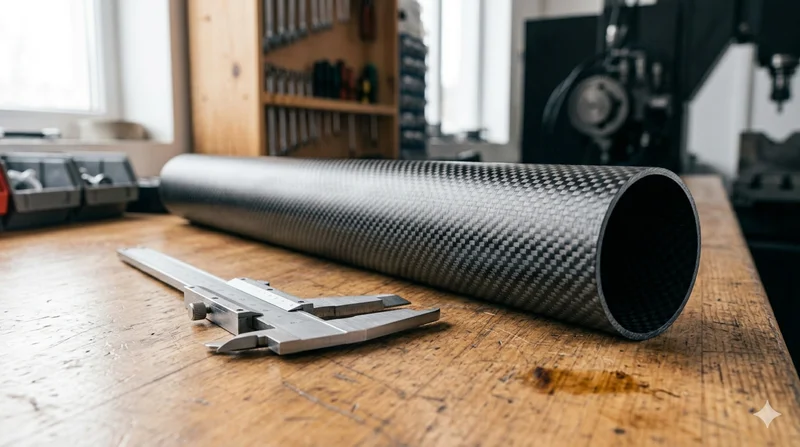
Round Carbon Fiber Tube — 3K Plain Weave T700
Standard round carbon fiber tube manufactured from Toray T700 grade fiber with 3K plain weave. Offers balanced strength and stiffness for general industrial applications including robotics, automation, sports equipment, and aerospace structures.
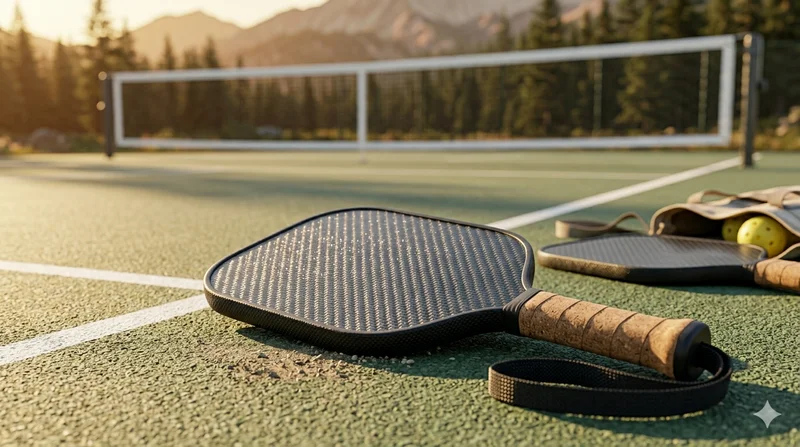
Carbon Fiber Pickleball Paddle
High-performance pickleball paddle with Toray T700 carbon fiber face and polypropylene honeycomb core. Delivers excellent power-to-weight ratio, spin generation, and vibration dampening for competitive play.
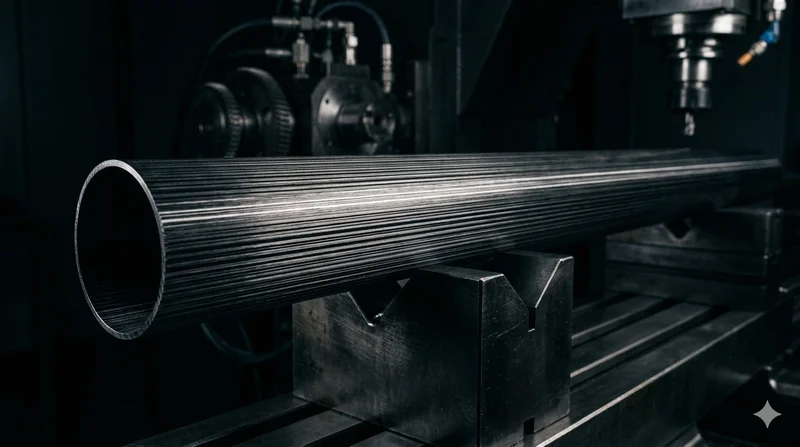
Round Carbon Fiber Tube — UD Unidirectional T700
Unidirectional (UD) round tube with all fibers aligned axially for maximum longitudinal stiffness. Ideal for applications requiring high bending rigidity with minimal weight, such as shafts, struts, and structural reinforcements.
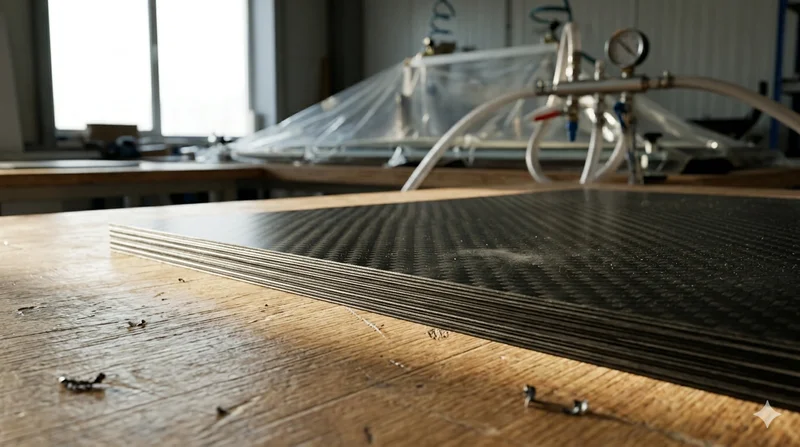
Carbon Fiber Plate — 3K Twill T700 3.0mm
Medium-thickness 3.0mm carbon fiber plate offering significantly higher load capacity while maintaining attractive 3K twill finish. Suitable for structural brackets, reinforcement plates, and load-bearing panels.
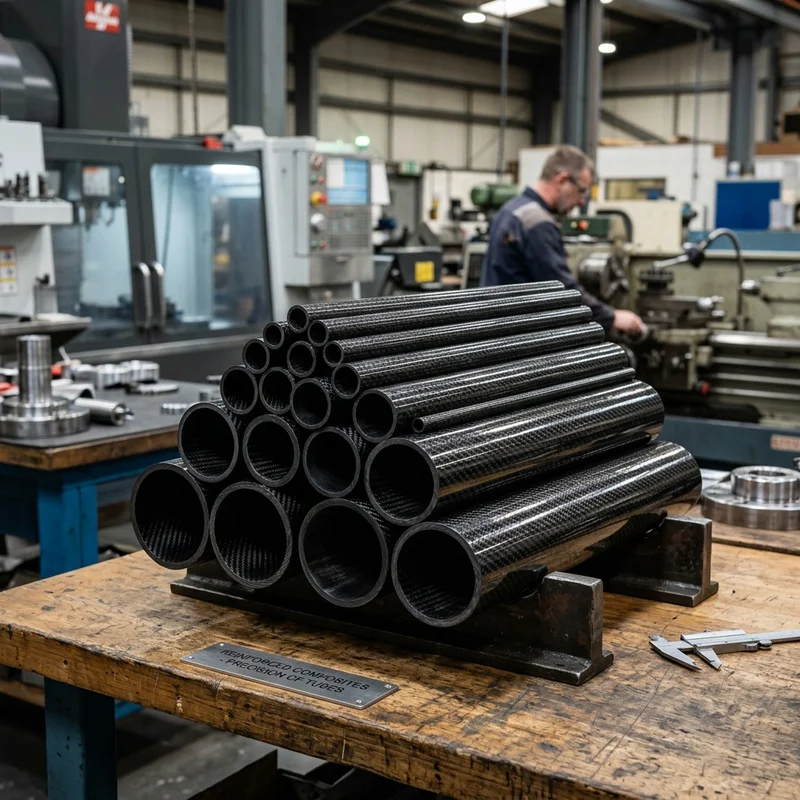
Round Carbon Fiber Tube — 3K Twill
Lightweight and ultra-stiff round tubes ideal for drone frames, robotics, and structural applications.