Where carbon fiber plates are used in guitars, how to specify thickness and fiber orientation, and how they compare with rods and woven cloth reinforcements.
Introduction
Musicians and builders exploring carbon fiber plate for guitar applications are often looking for stability and repeatability rather than a radical sound replacement. Thin carbon fiber plates or sheets can be used as localized reinforcements on necks, headstocks, soundboards (in hybrid designs), or internal bracing systems to reduce warping, control feedback in amplified settings, or fine-tune stiffness. Unlike full carbon fiber instruments, plate-based reinforcements let traditional wood luthiers keep familiar aesthetics and repair paths while gaining specific mechanical benefits.
This guide covers where carbon fiber plates are used in guitars, how to specify them, and what to discuss with suppliers when you need consistent material for small-batch builds. You will also see how plates compare with rods or woven cloth in common reinforcement roles.
Common Uses of Carbon Fiber Plate in Guitars
A carbon fiber plate for guitar is typically a flat, thin laminate (often epoxy-based) supplied as cut blanks or sheets for secondary fabrication. Common uses include:
- Neck reinforcement inserts: plates can be routed into a neck core or laminated in layers to resist bowing and humidity-driven movement, especially in long-scale or high-tension setups.
- Headstock reinforcement: thin plates help reduce breakage risk at the volute or tuner area when designed with proper grain/ply orientation in mind.
- Internal bracing patches: small plates can stiffen specific zones under the top in experimental hybrid tops, though this requires careful acoustic evaluation.
Because plates have defined thickness and flatness, they can be easier to machine to precise profiles than hand-laid cloth in some shops. However, sharp internal corners and improper bonding can create stress risers, so edge treatment and adhesive selection matter as much as the fiber itself.
Material and Specification Considerations
When sourcing materials, builders often start from general carbon fiber plate catalogs, then narrow by thickness tolerance, stiffness, and surface condition. The table below summarizes key choices.
| Item | Typical choices | Notes for guitar work |
|---|---|---|
| Thickness | Thin laminates to several millimeters | Match routed pocket depth; thin plates flex less predictably if undersupported |
| Fiber orientation | UD, quasi-isotropic, or woven laminates | UD can be very stiff along fibers; woven offers more balanced behavior |
| Resin system | Epoxy common | Consider heat during finishing and compatibility with wood adhesives where joints occur |
| Surface | Peel ply, sanded, or machined | Roughened or peel-ply surfaces often bond better to epoxy/wood glues than glossy tool faces |
If you need nonstandard sizes or cut profiles, a carbon fiber plate custom order can reduce shop time, but you should confirm tolerances for thickness and flatness so neck pockets or inlays fit without surprises.
Plates vs Rods vs Woven Cloth
Guitar reinforcement is not one-size-fits-all. The table below compares common approaches when designers think about carbon fiber sheet uses concepts translated into plate form.
| Approach | Advantages | Limitations |
|---|---|---|
| Carbon fiber plates | Predictable geometry, easy to CNC or trim, good for flat pockets | Can be over-stiff locally; edge finishing required |
| Carbon rods/tubes | Excellent bending stiffness in one direction, common in neck channels | Less surface area for bonding in some layouts; routing differs |
| Woven cloth layups | Conforms to curves, integrates with composites tops | Thickness builds by layers; harder to hit exact final thickness without machining |
Many high-end builds combine methods: for example, rods for primary neck stiffness plus small plates for localized reinforcement. The right choice depends on your construction method and whether the part is cosmetic, structural, or both.
Sourcing and Shop Practices
For luthiers and small manufacturers, consistency matters more than chasing the highest modulus. Request material data sheets, batch traceability when available, and sample pieces to test machining, sanding, and bonding. Confirm whether the plate is intended for structural epoxy bonding or if a specific primer/adhesive is recommended by the supplier.
- Test-fit prototypes before committing to a full run of necks or bodies.
- Use sharp carbide tooling and dust control; carbon dust requires appropriate PPE.
- Document thickness and orientation in your build notes so future repairs match the original behavior.
For broader background on composite laminates and machining considerations, technical resources like CompositesWorld can be useful alongside maker-community forums for guitar-specific experiences.
Frequently Asked Questions
Does adding a carbon fiber plate make a guitar sound “dead”?
It depends on where and how much you add. Localized reinforcement usually affects stability more than overall tone, but heavy or poorly placed stiffening can alter vibration patterns. Small A/B tests on prototypes are the safest way to evaluate tonal impact.
Can I glue a carbon fiber plate with standard wood glue?
Some builders use epoxy for reliable bonding to carbon and to wood in structural joints; PVA or hide glue may be inappropriate on glossy carbon surfaces. Follow adhesive manufacturer guidance and consider light abrasion or peel-ply surfaces for better mechanical keying.
Conclusion
Using a carbon fiber plate for guitar projects is about targeted stability: choose the right thickness and orientation, prepare bonding surfaces carefully, and validate changes with prototypes. Whether you are upgrading a single neck design or standardizing a small production line, clear specs and consistent material sourcing pay off. If you need help selecting plate materials or arranging custom cuts, contact YongXian through our contact page to discuss your requirements.
Part of topic
Related Articles
- Carbon Fiber Sheet for Skis: Design, Specs and Sourcing
- Carbon Fiber Sheet for Surfboard: Design, Specs and Sourcing
- Carbon Fiber Tube for Speaker: Design, Specs and Sourcing
- Carbon Fiber Sheet for Yacht Interior: Design, Specs and Sourcing
- Carbon Fiber Sheet for Skateboard Deck: Design, Specs and Sourcing
- Carbon Fiber Plate for 3D Printer: Design, Specs and Sourcing | YongXian
Interested in Our Products?
Contact our team for competitive pricing and technical specifications.
Get a QuoteRelated Products
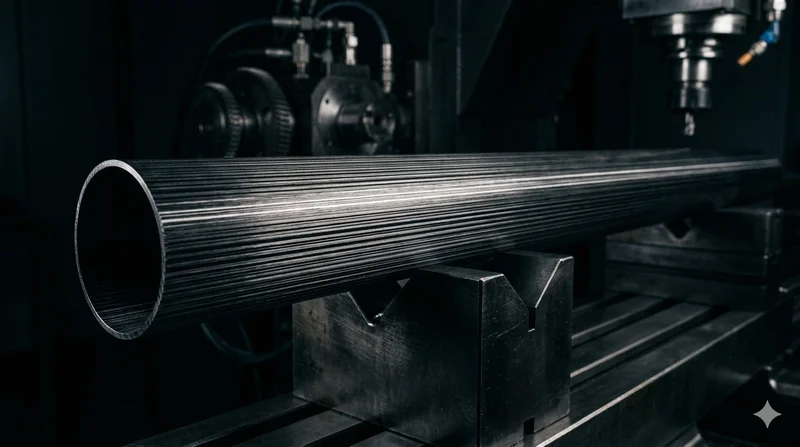
Round Carbon Fiber Tube — UD Unidirectional T700
Unidirectional (UD) round tube with all fibers aligned axially for maximum longitudinal stiffness. Ideal for applications requiring high bending rigidity with minimal weight, such as shafts, struts, and structural reinforcements.
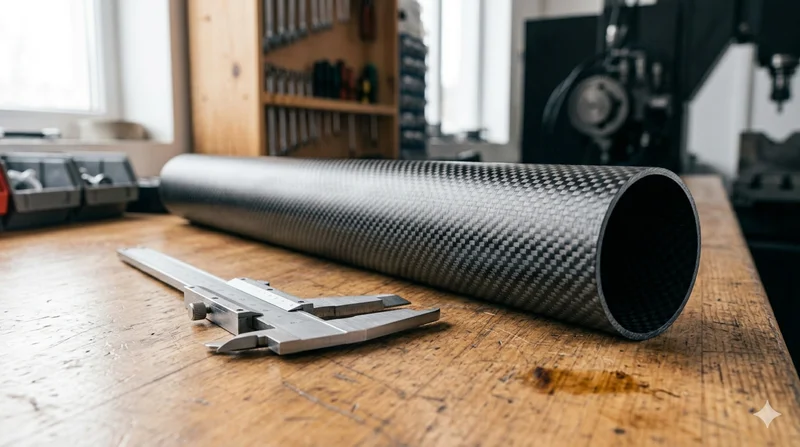
Round Carbon Fiber Tube — 3K Plain Weave T700
Standard round carbon fiber tube manufactured from Toray T700 grade fiber with 3K plain weave. Offers balanced strength and stiffness for general industrial applications including robotics, automation, sports equipment, and aerospace structures.
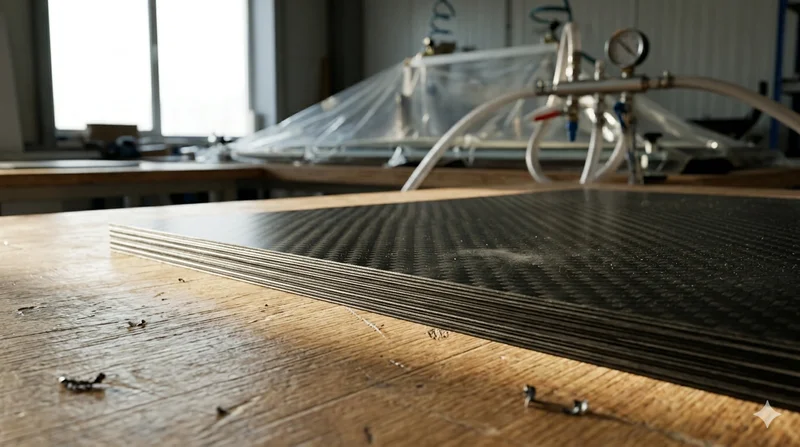
Carbon Fiber Plate — 3K Twill T700 3.0mm
Medium-thickness 3.0mm carbon fiber plate offering significantly higher load capacity while maintaining attractive 3K twill finish. Suitable for structural brackets, reinforcement plates, and load-bearing panels.
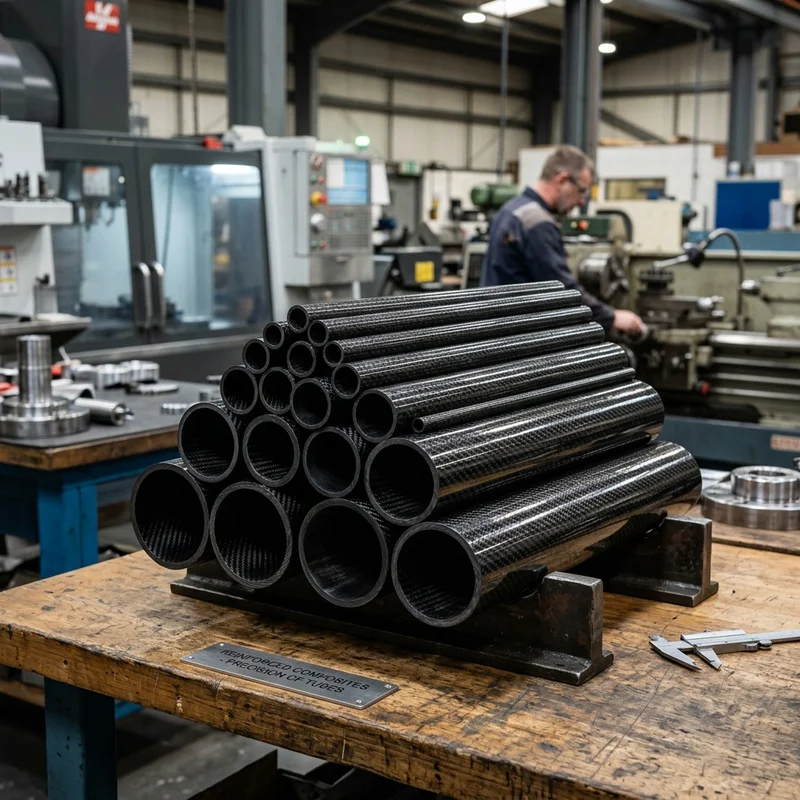
Round Carbon Fiber Tube — 3K Twill
Lightweight and ultra-stiff round tubes ideal for drone frames, robotics, and structural applications.
Carbon Fiber Plate — 3K Twill T700 1.5mm
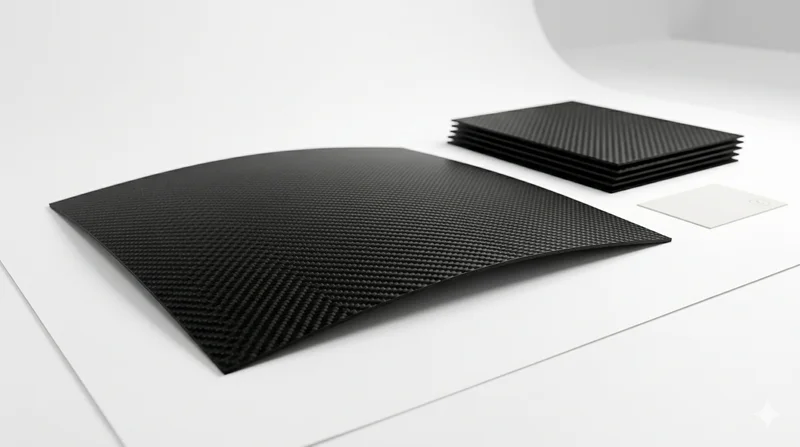
Thin 1.5mm carbon fiber plate with 3K twill weave surface. Lightweight and stiff, commonly used for covers, panels, drone bodies, and applications requiring a premium aesthetic appearance.