A carbon fiber fabric manufacturer weaves dry carbon fiber tows into the roll goods that prepreg lines, resin infusion shops and hand layup teams consume every week. Unlike prepreg, the material ships without resin, so the buying conversation centers on weave construction, tow size, areal weight and
Introduction
A carbon fiber fabric manufacturer weaves dry carbon fiber tows into the roll goods that prepreg lines, resin infusion shops and hand layup teams consume every week. Unlike prepreg, the material ships without resin, so the buying conversation centers on weave construction, tow size, areal weight and roll width — four numbers that decide how the fabric drapes, how much resin it will drink and how fast your line can lay it down. This guide breaks down what a carbon fiber fabric manufacturer controls on the loom, which specifications you must fix before requesting a quote, and how to tell a real weaving mill from a trading company that re-labels someone else's cloth.
Fabric is the starting point of most carbon fiber parts. Get the weave wrong and every downstream step inherits the error: a loose plain weave drinks resin and adds weight, an off-spec areal weight shifts your fiber volume fraction, and a width that does not match your cutter forces splices and scrap. When you buy carbon fiber fabric, you are buying consistency by the meter, not a one-off sample that looked good on a desk.
What you are actually buying when you buy carbon fiber fabric
Every fabric quotation is a bundle of five decisions. Miss them and the price comparison is meaningless.
| Parameter | Typical range | Why it matters |
|---|---|---|
| Fiber grade | T300, T700, T800 class | Tensile modulus and cost per kg |
| Tow size | 1K, 3K, 6K, 12K, 24K | Surface appearance and weave fineness |
| Weave type | Plain, twill 2/2, satin 4H/8H | Drapability and visual finish |
| Areal weight | 100–600 gsm | Ply thickness and part weight |
| Width | 1000–1600 mm standard | Nesting efficiency on your cutter |
| Finish | Desized, light swell, or sized | Resin wet-out and handling |
| Roll length | 50–100 m typical | Splice frequency and inventory |
Areal weight is the number most buyers under-check. A roll labeled 200 gsm that actually runs 185 gsm will change your laminate schedule without changing the invoice. Ask for per-roll certificates with gravimetric checks, not a generic data sheet for the whole product family.
Choosing weave type and tow size
Match the construction to the process and the visible surface before you match it to the price.
- Plain weave: the most stable and least expensive construction. Interlacing on every warp and weft pass locks the fabric, which helps automated cutting but limits drape on compound curves.
- Twill 2/2: the workhorse for automotive and sporting goods. The diagonal float drapes better than plain weave and still looks like classic carbon on a Class A surface.
- Satin 4H/8H: long floats give the best drape for molds with tight radii, at the cost of snagging risk during handling — train the layup team before you switch.
- Tow size trade-off: 3K gives a fine, premium appearance for visible parts; 12K and 24K cover area faster and cost less per square meter for structural plies hidden under a skin.
- Hybrid stacks: mixing a 3K twill surface with 12K plain weave cores is a common way to hold Class A looks while controlling material cost.
A competent carbon fiber fabric manufacturer will ask about your mold radii, target fiber volume fraction, resin system and annual volume before quoting. If they only ask for width and grams per square meter, they are selling meterage, not a material that has to perform on your line.
MOQ, pricing and lead time
Commercial terms vary more than technical ones. Use this table as a sanity check when you compare offers from a carbon fiber fabric manufacturer.
| Order type | MOQ | Indicative lead time |
|---|---|---|
| Stock weave, standard width | 100–300 m per construction | 1–3 weeks |
| Custom areal weight or width | 300–500 m | 3–5 weeks |
| New fiber grade qualification | Pilot roll + qualification lot | 5–8 weeks plus testing |
| Printed or coated fabric | 500 m+ | Add 2–4 weeks |
Price follows fiber grade first, tow size second and volume third. T700-class carbon typically costs 1.5–2× a T300-class equivalent at the same areal weight, and moving from 12K to 3K tow can add 20–40% because the loom runs slower and waste rises. Width matters commercially too: standard 1000 mm and 1600 mm goods nest efficiently on most cutters, while odd widths invite setup charges.
When you buy carbon fiber fabric in trial quantities, expect a setup fee for non-stock constructions. Many mills keep plain and twill in 3K and 12K at 200 gsm precisely so first orders do not require a loom change.
China carbon fiber fabric manufacturer vs trading company
A trading company can be a fine partner, but you should know which one you are dealing with before the first shipment.
- Ask for the loom floor: a real carbon fiber fabric manufacturer shows air-jet or rapier looms, warping beams and inspection frames, not just a warehouse of rolls.
- Ask who prints the label: if every roll arrives with a third-party brand and a local sticker, you are buying redistribution.
- Ask for per-roll COA: areal weight, width, weave type and elongation, traceable to a batch number.
- Ask about warping: beam consistency decides whether two rolls from the same order behave the same on your cutter.
Both models can deliver good cloth. The difference shows up when something goes wrong: the mill can re-weave a batch, the trading company can only escalate to someone else.
Factory line capability and quality control
The loom and the inspection frame decide whether your parts start from a stable material.
- Warp tension control: closed-loop tension keeps areal weight flat across the roll, not just at the sample you pulled for approval.
- Weave defect inspection: frame inspection or automated optical checks for missing tows, broken picks and contamination before packing.
- Areal weight verification: gravimetric cuts per roll against specification, with the certificate that ships with the material.
- Width and selvedge control: clean, stable selvedges reduce trim waste and prevent edge fraying during automated layup.
- Roll packing: moisture barrier wrap and core protection so the fabric arrives dry and undamaged, ready for prepreg lines or infusion.
Quality systems such as ISO 9001 and IATF 16949 tell you the process is documented; they do not tell you the roll you received matches the roll you approved. Always ask for the lot certificate that ships with the material.
Frequently Asked Questions
How should carbon fiber fabric be stored before use?
Keep rolls sealed in their original moisture-barrier packaging, flat or on end as the manufacturer specifies, away from direct sun and humidity swings. Once a roll is opened, plan to consume it within a few production weeks so the edges do not pick up dust or moisture that shows up as print-through on the finished surface.
Can a carbon fiber fabric manufacturer supply small trial quantities?
Yes, if you accept stock constructions or a loom setup charge. A pilot roll of 30–50 m in a standard weave and width is a common first order, and it gives you real drape and cut data instead of a data sheet projection. Use that lot to qualify the process, then move to a blanket order for the production construction.
What is the difference between fabric and prepreg?
Fabric is dry woven carbon with no resin, so you choose and control the resin system yourself through infusion, RTM or hand layup. Prepreg arrives with a measured resin film already on the fiber, which locks fiber volume and repeatability but adds cold storage and a shorter working window. Choose fabric when you need resin flexibility or lower material cost; choose prepreg when void content and cycle-to-cycle consistency matter more.
Conclusion
A carbon fiber fabric manufacturer is judged on five things: weave consistency, areal weight accuracy, width control, per-roll certification and the willingness to show you the loom floor. Pin those down in your RFQ, demand a certificate of analysis per roll, and run a qualification lot before you commit annual volume. If you are ready to compare constructions side by side, browse the current fabric and prepreg catalog or contact the technical sales team with your target weave, areal weight and annual meters — you will get a written spec sheet back, not just a price.
Part of topic
Related Articles
- Carbon Fiber Rod Wholesale Price: Market Benchmarks and Drivers
- Carbon Fiber Plate Wholesale Price: Market Benchmarks and Drivers
- Carbon Fiber Tube Wholesale Price: Market Benchmarks and Drivers
- Carbon Fiber Sheet Wholesale Price: Market Benchmarks and Drivers
- Carbon Fiber Rod Distributor: Stock, Pricing, and Sourcing Guide
- Carbon Fiber Tube Distributor: Stock, Pricing, and Sourcing Guide
Interested in Our Products?
Contact our team for competitive pricing and technical specifications.
Get a QuoteRelated Products

Round Carbon Fiber Tube — 3K Plain Weave T700
Standard round carbon fiber tube manufactured from Toray T700 grade fiber with 3K plain weave. Offers balanced strength and stiffness for general industrial applications including robotics, automation, sports equipment, and aerospace structures.

Carbon Fiber Pickleball Paddle
High-performance pickleball paddle with Toray T700 carbon fiber face and polypropylene honeycomb core. Delivers excellent power-to-weight ratio, spin generation, and vibration dampening for competitive play.
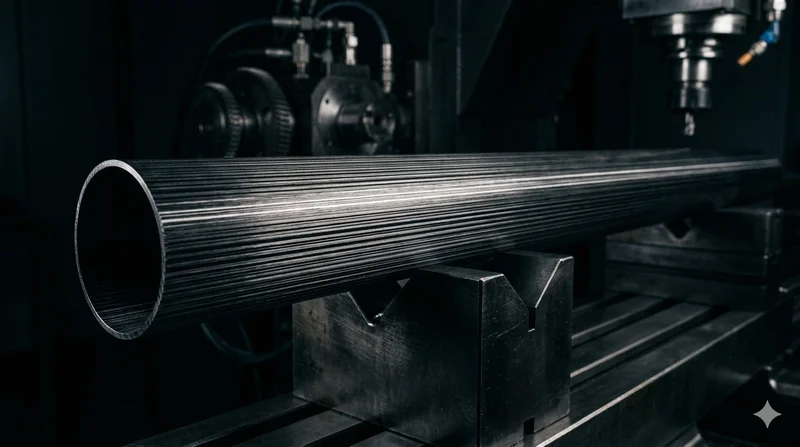
Round Carbon Fiber Tube — UD Unidirectional T700
Unidirectional (UD) round tube with all fibers aligned axially for maximum longitudinal stiffness. Ideal for applications requiring high bending rigidity with minimal weight, such as shafts, struts, and structural reinforcements.

Custom Carbon Fiber Bicycle Frame
Full-custom carbon fiber bicycle frame manufactured to your geometry specifications. We produce road, gravel, mountain, and track frames using high-modulus carbon fiber layups optimized for each riding discipline. Monocoque construction with internal cable routing, available with disc or rim brake mounts.
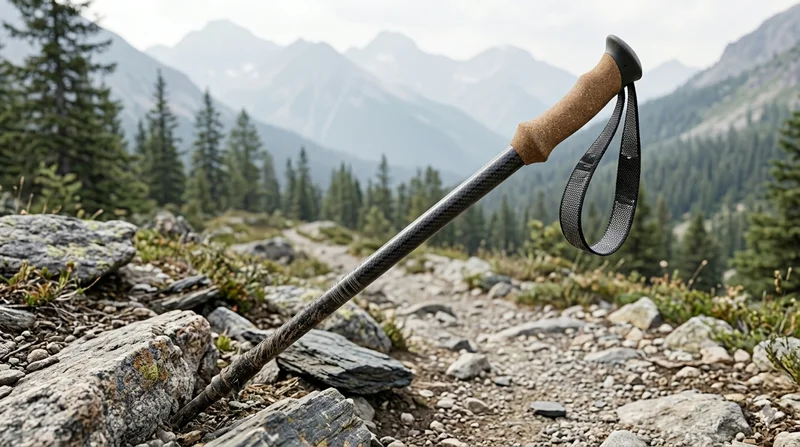
Carbon Fiber Trekking Pole
Lightweight carbon fiber trekking pole manufactured from high-grade carbon fiber tube. Weighs only 160g per pole while providing superior shock absorption and durability for hiking, trail running, and backpacking.