
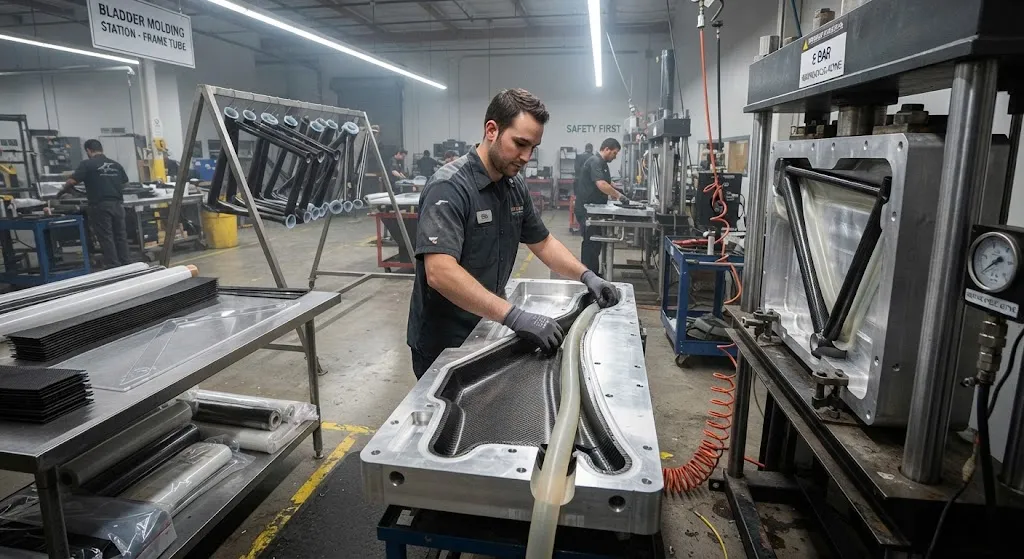
Sports and leisure applications account for roughly 28% of carbon fiber demand in China, and the bicycle frame is the single largest product within that segment. Yet the frames that roll out of premium brands are made by very different processes under the surface. The two dominant route
Introduction
Sports and leisure applications account for roughly 28% of carbon fiber demand in China, and the bicycle frame is the single largest product within that segment. Yet the frames that roll out of premium brands are made by very different processes under the surface. The two dominant routes are bladder molding, where prepreg sheets are laid into molds and inflated against the cavity with a silicone bladder, and filament winding, where resin-impregnated tow is wrapped around a mandrel in precise patterns. Both can produce a strong, light frame, but they differ dramatically in geometry freedom, fiber orientation control, surface quality, and cost structure.
This article is written for frame manufacturers, OEM buyers, and brands deciding between production processes. We compare the two routes across the criteria that actually decide a frame's performance and price: layup design freedom, tube shapes and junctions, fiber volume fraction, fatigue life, cosmetic finish, cycle time, and tooling investment. Understanding these differences matters because the process determines what a frame can be — a bladder-molded monocoque frame and a wound frame are different products even when they carry the same brand decal.
How Bladder Molding Works
Bladder molding, also called internal pressure molding, is the process used for most high-end road, mountain, and gravel frames. The sequence is well established:
- Layup: Cut plies of unidirectional and woven prepreg are placed into matched aluminum or steel molds that define the outside shape of the frame tube or monocoque structure. The layup schedule specifies ply orientation, stacking order, and local reinforcements at high-stress zones such as the bottom bracket and head tube.
- Bladder insertion: A silicone or nylon bladder is placed inside the layup, and the mold is closed around it.
- Curing: The mold is heated while the bladder is inflated with pressurized air or gas, typically to 6-12 bar. The pressure consolidates the prepreg against the mold cavity, eliminating voids and creating a smooth exterior surface.
- Demolding: After the resin cures, the mold is opened, the bladder is extracted through the tube openings, and the frame section moves to trimming, bonding, and finishing.
The decisive advantage of bladder molding is design freedom. Because the layup is hand-placed or robotically placed inside a mold, the frame can have complex tube shapes — airfoil profiles, dropped seatstays, integrated cable routing, asymmetric chainstays — that no winding process can reproduce. This is why almost every aerodynamic or comfort-focused frame on the market is bladder molded. The cost of that freedom is labor: layup is the most manual step in composite frame production, and frame brands pay a significant premium for it.
How Filament Winding Works
Filament winding takes the opposite approach: instead of placing fiber inside a mold, it wraps resin-impregnated tow around a rotating mandrel that defines the inside of the part. A computer-controlled carriage moves along the mandrel while the spindle rotates, laying helical and hoop windings at controlled angles. After winding, the part is cured — often in an oven or autoclave — and the mandrel is removed.
| Process | Geometry Freedom | Fiber Placement | Typical Fiber Volume Fraction | Surface Finish | Relative Tooling Cost |
|---|---|---|---|---|---|
| Bladder molding | Full: airfoils, drops, integrated routing | Placed plies, any orientation | 55-65% | Excellent, class-A paint-ready | High, matched molds |
| Filament winding | Limited to rotationally symmetric shapes | Continuous helical/hoop tow paths | 60-68% | Moderate, needs over-wrapping or cosmetic coat | Lower, mandrels reusable |
Filament winding excels where the part is tubular and the load path is primarily axial or hoop. Straight and gently tapered tubes wind efficiently, with excellent fiber alignment and high fiber volume fraction because the tow is under tension during winding. The drawbacks are the flip side of its strengths: sharp bends, junctions, and non-circular cross sections are difficult or impossible, so a wound frame must be assembled from wound tubes joined with lugs or bonded joints rather than built as a monocoque. Most production wound frames on the market target commuter and value-priced performance bikes where the cost advantage of the process outweighs its geometry limits.
Stiffness-to-Weight and Performance Comparison
The performance differences between the two processes are real but subtler than marketing materials suggest. A well-designed bladder-molded frame and a well-designed wound frame can reach similar overall stiffness-to-weight ratios, because both can hit 55-65% fiber volume fraction and both use high-modulus prepreg or tow. The differences appear in specific behaviors:
- Junction stiffness: Monocoque bladder-molded frames distribute load continuously through bottom bracket and head tube junctions, which are the stiffest and most fatigue-resistant zones. Wound frames rely on lugs or bonded joints at the same locations, and joints are where composite frames historically fail in fatigue.
- Tube shaping: Bladder molding allows airfoil and oversized tube shapes that increase stiffness without adding material, and shaping that hides cable routing. Winding produces round or oval sections only.
- Consistency: Winding is inherently repeatable — the machine controls the fiber path — while bladder molding depends on operator skill in layup, which is why top brands invest in robotic layup and automated inspection to hold consistency.
| Performance Criterion | Bladder Molding | Filament Winding |
|---|---|---|
| Typical frame weight (road, size 54) | 750-950 g | 950-1,200 g |
| Stiffness-to-weight tuning | Per-tube ply tailoring, wide range | Limited by winding angle and wall thickness |
| Fatigue life at junctions | High, continuous fiber paths | Lower, lug/bond joints are critical zones |
| Ride comfort tuning | Excellent, selective compliance zones | Moderate, mostly governed by tube geometry |
| Cosmetic finish | Class-A surface, complex graphics | Requires cosmetic over-wrap or coating |
The takeaway is that bladder molding buys a brand the ability to differentiate: aerodynamics, comfort, integrated design, and premium cosmetics. Filament winding buys lower production cost per frame at high volume. The decision is strategic, not simply technical.
Production Economics and Scale
Cost structure separates the processes as clearly as geometry does. Bladder molding demands matched molds per frame size and geometry, each costing tens of thousands of dollars and months of lead time, plus skilled layup labor. Filament winding requires a programmable winding machine and reusable mandrels per size, with lower labor intensity because the machine places the fiber. The trade-off plays out at different production scales.
| Cost Factor | Bladder Molding | Filament Winding |
|---|---|---|
| Tooling investment (per frame model/size) | High: matched molds, $20-60k per size | Lower: mandrels + winding machine |
| Labor intensity | High, hand or robotic layup | Low to medium, machine-placed tow |
| Cycle time per frame | Longer, multi-step layup and cure | Shorter for simple tubes, joining adds steps |
| Minimum viable scale | From small custom shops to mass production | Best at medium to high volume |
| Scrap and material utilization | Cutting waste from prepreg sheets | Low waste, tow consumed continuously |
Small custom frame builders can run bladder molding profitably at dozens of frames per year because the molds amortize over a premium product. Winding becomes attractive when a manufacturer produces thousands of frames of the same geometry, where machine automation and tow utilization dominate the cost equation. Hybrid routes also exist: many brands wind straight tubes for chainstays or seat tubes and bladder-mold the front triangle, combining cost efficiency with premium junction performance where it matters.
Frequently Asked Questions
Which process produces a lighter carbon fiber bike frame?
Bladder molding generally produces lighter frames at the premium end. The reason is geometry and material placement: a bladder-molded monocoque can tailor the ply schedule tube by tube, put material exactly where loads concentrate at junctions, and use airfoil shapes that maximize stiffness per gram. Filament winding is limited to rotationally symmetric tubes joined by lugs, which adds weight at the joints and prevents the same level of local tailoring. In practice, top bladder-molded road frames weigh 750-950 g in a size 54, while wound frames typically land at 950-1,200 g. Both processes can be made light; the difference is how much a brand is willing to spend on engineering and labor to get there.
Why are most aerodynamic carbon frames bladder molded?
Because aerodynamic shaping is impossible with winding. Airfoil tube profiles, Kamm-tail sections, dropped seatstays, integrated handlebar and cable routing, and asymmetric chainstays are all non-rotationally-symmetric shapes that only a mold-based process can create. Filament winding wraps fiber around a rotating axis, which inherently produces round or oval cross sections. Bladder molding places prepreg plies in a mold cavity that defines any outside shape the designer wants, so every tube can be shaped to reduce drag. Aero frames are therefore effectively a bladder-molding monopoly, with the process cost passed on in the frame price.
Is filament winding cheaper than bladder molding for frames?
At comparable production volume, yes, because the cost structure is different. Winding replaces skilled layup labor with a machine that places tow continuously, consumes material with little waste, and uses reusable mandrels instead of matched molds per size. The catch is that a wound frame still needs lugs or bonded joints to connect tubes, and those joints add assembly steps and quality risk. The economics favor winding when a manufacturer produces many frames of the same geometry; they favor bladder molding when a brand sells fewer frames of each model but sells them at a premium. Many manufacturers run both, winding simple tubes and bladder molding complex ones, to get the best of each cost model.
Do bladder-molded and wound frames ride differently?
They can. The ride feel of a frame is governed by its stiffness distribution, and the two processes produce different distributions. A bladder-molded monocoque has continuous fiber paths through junctions, so it can be made stiff where you want pedaling stiffness and compliant where you want comfort, with tuned zones in the seat stays and fork. A wound frame's stiffness is mostly set by tube wall thickness and winding angle, and its junctions are mechanical or bonded, which changes how loads transfer and how vibration transmits to the rider. Skilled riders often describe wound frames as smooth in a different way — round tubes flex more uniformly — while monocoque frames feel more precise under hard pedaling. Neither is inherently better; they are different ride signatures.
Conclusion
Bladder molding and filament winding are not competing technologies in the same lane; they are two different answers to the question of how a frame should be made. Bladder molding buys geometry freedom, premium cosmetics, and junction performance at the cost of labor and tooling, which is why it dominates high-end road, mountain, and aero frames. Filament winding buys repeatability, material efficiency, and lower cost per frame for tubular geometries, which suits value-priced and commuter frames. For brands, the right choice depends on product tier, volume, and the ride signature they want to sell.
For frame manufacturers and OEM buyers evaluating carbon fiber supply, the material itself is only half the decision — process capability and quality control are the other half. Explore our carbon fiber prepreg, fabric, and unidirectional sheet range, or contact our engineering team to discuss material selection and process support for your frame program.
Part of topic
Related Articles
- Carbon Fiber Tubes for Sale: Spec Sheet Fields That Actually Matter
- Carbon Fiber Sheets Near Me: Local Dealers and Quick Turnaround Procurement
- Carbon Fiber Tubes Near Me: Local Stock Availability and Same-Day Delivery Options
- Carbon Fiber Plate Orthotic: Lightweight Prosthetic and Medical Device Applications
- Carbon Fiber Sheets 6mm: Specifications, Load Ratings and Application Guide
- Carbon Fiber Rod Grips: Ergonomic Handle Design for Industrial and Sport Applications
Interested in Our Products?
Contact our team for competitive pricing and technical specifications.
Get a QuoteRelated Products
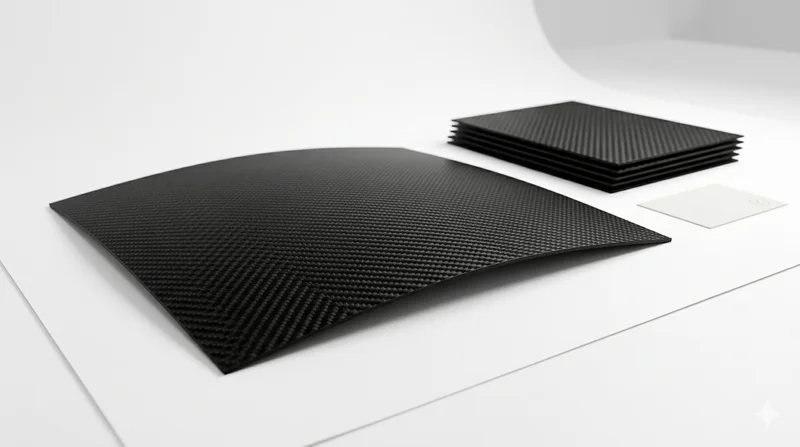
Carbon Fiber Plate — 3K Twill T700 1.5mm
Thin 1.5mm carbon fiber plate with 3K twill weave surface. Lightweight and stiff, commonly used for covers, panels, drone bodies, and applications requiring a premium aesthetic appearance.
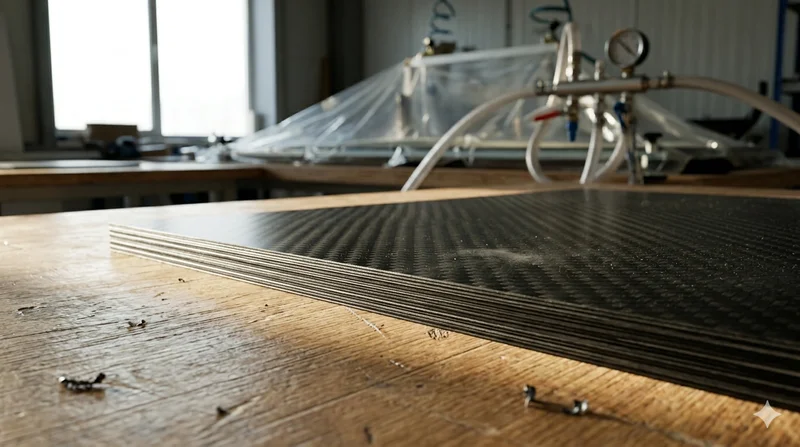
Carbon Fiber Plate — 3K Twill T700 3.0mm
Medium-thickness 3.0mm carbon fiber plate offering significantly higher load capacity while maintaining attractive 3K twill finish. Suitable for structural brackets, reinforcement plates, and load-bearing panels.
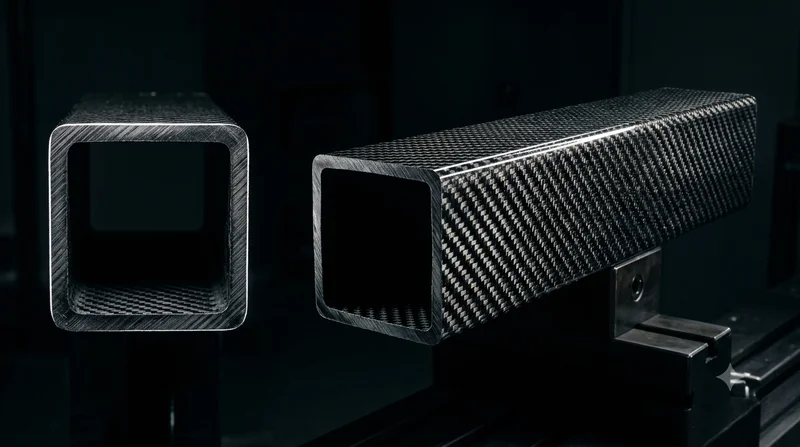
Square Carbon Fiber Tube — 3K Twill T700
Square cross-section carbon fiber tube manufactured with 3K twill weave for torsional strength. Preferred for structural frames, trusses, and support columns where rectangular geometry offers design flexibility.
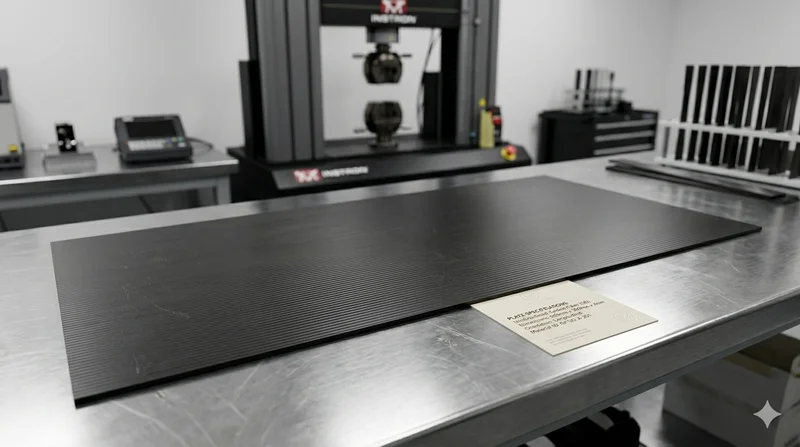
Carbon Fiber Plate — UD Unidirectional T700
Unidirectional carbon fiber plate with all fibers oriented in a single direction for maximum strength along the fiber axis. Essential for structural reinforcements, splints, and applications where load direction is predictable.
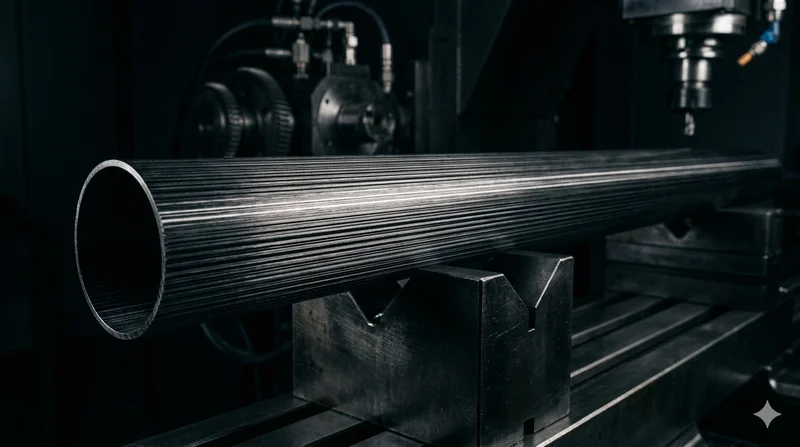
Round Carbon Fiber Tube — UD Unidirectional T700
Unidirectional (UD) round tube with all fibers aligned axially for maximum longitudinal stiffness. Ideal for applications requiring high bending rigidity with minimal weight, such as shafts, struts, and structural reinforcements.