
The carbon fiber sheet HSN code in India is the eight-digit classification that the Customs authority uses to set duty, apply trade rules and clear a consignment. India extends the six-digit Harmonized System with two national digits, so a carbon fiber sheet that is classified at 6815 internationall
Introduction
The carbon fiber sheet HSN code in India is the eight-digit classification that the Customs authority uses to set duty, apply trade rules and clear a consignment. India extends the six-digit Harmonized System with two national digits, so a carbon fiber sheet that is classified at 6815 internationally becomes 6815 12 00 or 6815 13 00 on an Indian bill of entry, depending on whether it is supplied as a fabric or as a finished cured plate. Choosing the wrong line costs time and money: a mismatch between the goods and the declared code can hold a shipment at the port, trigger a penalty, or apply the wrong integrated tax.
This guide explains how the carbon fiber sheet HSN code is chosen, maps the lines that apply to sheets and plates, sets out the Indian duty stack, and lists the documents and supplier questions that keep a clearance clean.
What the Carbon Fiber Sheet HSN Code Covers
India follows the World Customs Organization structure for the first six digits and adds national digits for duty and statistics. Carbon fiber products sit in heading 6815, which covers articles of stone and other mineral substances, including carbon fibres and articles of carbon fibres, not elsewhere specified. Three principles decide where a carbon fiber sheet lands:
- Essential character: The code follows the material that gives the product its character, which for a reinforced sheet is the carbon fibre, not the polymer matrix.
- Level of processing: Raw fibre, fabric and finished articles occupy different subheadings of the same heading, so the form of the goods matters as much as the material.
- Not elsewhere specified: Heading 6815 is a residual heading, so it captures carbon fiber goods that are not classified as textiles, plastics or a named end product.
Because of the second principle, a woven carbon fabric and a cured carbon sheet can share a heading but not a subheading. Declaring the wrong level is the most common classification error in this product family, and it is the first thing an Indian customs broker will check.
Carbon Fiber Sheet HSN Code by Product Form
Under the current Indian tariff, heading 6815 carries the carbon fibre lines below. The eight-digit HSN code follows the description, and the description is what decides the line:
| Product Form | HSN Code (India) | Reason |
|---|---|---|
| Carbon fibre tow and yarn | 6815 11 00 | Raw fibre |
| Woven carbon fabric | 6815 12 00 | Fabric of carbon fibres |
| Carbon fibre prepreg sheet | 6815 12 00 | Fabric form, widely accepted |
| Cured carbon fiber sheet or plate | 6815 13 00 | Finished article of carbon fibres |
| Finished tube, rod or profile | 6815 13 00 | Finished article of carbon fibres |
The word "sheet" is the trap. A buyer who wants flexible material on a roll is importing fabric or prepreg, which belongs to 6815 12 00. A buyer who wants a rigid panel is importing a finished article, which belongs to 6815 13 00. The same material, the same fiber and the same resin can sit on either line, and only the cured or uncured state separates them. Goods made for a named end use, such as a bicycle frame or an aircraft part, can be classified elsewhere, but the material heading is the default when no more specific line applies.
How India Applies the Sheet HSN Code: GST and the Duty Stack
Classification is only half of the landed cost. The importer also has to apply the duty stack that India levies on the HSN line. Import duty is not a single number; it is layered:
- Basic customs duty (BCD): The primary tariff on the subheading, set by tariff notification and applied to the customs value of the goods.
- Social welfare surcharge: A surcharge calculated as a percentage of the basic customs duty, not of the goods value.
- Integrated tax (IGST): Goods and services tax applied on import, which for carbon fibre articles under heading 6815 is levied at 18 percent.
The goods and services tax rate on carbon fibre and articles of carbon fibres under heading 6815 is 18 percent, charged as integrated tax on imports and split into central and state components on domestic supply. The basic customs duty depends on the current tariff notification and the specific description, so it should be confirmed on the customs portal or with a broker before a landed cost is quoted. Importers should never treat a published rate as permanent: tariff notifications and trade measures change, and the rate that applies can depend on the country of origin.
Documents for Importing Carbon Fiber Sheets into India
A clean clearance depends on documents that carry the same code throughout the chain. An Indian importer should hold:
- Import Export Code (IEC): The registration that identifies the importer to Customs and is required for every commercial import.
- Commercial invoice and packing list: Both should state the product form, material and the eight-digit HSN code line by line.
- Certificate of origin: It determines whether a preferential rate under a trade agreement applies, and it is checked under the origin rules India enforces on preferential claims.
- Bill of entry: The declaration filed with Customs, quoting the HSN code, value and duty computed on that line.
- Product and process data: Fibre type, matrix and manufacturing method help justify the classification if the code is questioned.
The most common cause of delay is a mismatch between the exporter's six-digit HS code and the importer's eight-digit HSN code. An exporter shipping to India should print the Indian HSN line on the invoice so the importer's broker can match it, and the importer should confirm the line before the goods leave the supplier. Buyers who source from a carbon fiber sheet manufacturer in India should ensure the same HSN line appears on the tax invoice so that input credit can be claimed at the correct rate.
Frequently Asked Questions
What is the HSN code for carbon fiber sheet in India?
An uncured carbon fiber sheet supplied as fabric or prepreg uses HSN 6815 12 00, and a cured carbon fiber sheet or plate uses 6815 13 00. Both sit under heading 6815, articles of stone or other mineral substances including carbon fibres. The correct carbon fiber sheet HSN code therefore depends on the form of the goods, not on the fibre alone. Raw tow and yarn use 6815 11 00. Confirm the eight-digit line on the bill of entry and check the current basic customs duty and integrated tax that apply.
What is the GST rate on carbon fiber sheet under HSN 6815?
Carbon fibre and articles of carbon fibres under heading 6815 attract goods and services tax at 18 percent. On imports this is charged as integrated tax, and on domestic supply it is split into central and state components. The basic customs duty is separate and is set by tariff notification, so the importer pays basic customs duty plus social welfare surcharge plus integrated tax. Because rates change with budget cycles, confirm the current figures before quoting a landed cost.
Is the HSN code the same for carbon fiber sheet and tube?
They share heading 6815 but may use different subheadings by form. A cured sheet or plate and a finished tube or rod are both articles of carbon fibres under 6815 13 00. A woven fabric or prepreg sheet is classified as a fabric under 6815 12 00, because it is still in fabric form. The carbon fiber tube HSN code and the carbon fiber tube HS code therefore follow the same logic as the sheet, and only the level of processing changes the line.
Conclusion
The carbon fiber sheet HSN code in India turns on the form of the goods within heading 6815: raw fibre uses 6815 11 00, fabric and prepreg use 6815 12 00, and cured sheet, plate, tube and profile use 6815 13 00. Classification sets the basic customs duty, and the social welfare surcharge and the 18 percent integrated tax follow it. Keep the same eight-digit line on the invoice, packing list, certificate of origin and bill of entry, confirm the current duty rate, and the consignment clears without avoidable delay.
If you need carbon fiber sheets or plates supplied with clear material data and consistent classifications, browse our carbon fiber sheet and plate range, or contact our team for product data, origin details and the documentation your Indian import filing needs.
Part of topic
Related Articles
- Carbon Fiber Tube HSN Code in India: Importer's Classification Guide
- Carbon Fiber Tube HS Code: Export and Import Classification Guide
- Carbon Fiber Tube Australia: Complete Guide
- Carbon Fiber Rod Price In Sri Lanka: Complete Guide
- Carbon Fiber Tubing Manufacturers Usa: Complete Guide
- Carbon Fiber Tube Cutting Instant Quote: Complete Guide
Interested in Our Products?
Contact our team for competitive pricing and technical specifications.
Get a QuoteRelated Products

Carbon Fiber Plate — 3K Twill T700 3.0mm
Medium-thickness 3.0mm carbon fiber plate offering significantly higher load capacity while maintaining attractive 3K twill finish. Suitable for structural brackets, reinforcement plates, and load-bearing panels.

Carbon Fiber Plate — 3K Twill T700 1.5mm
Thin 1.5mm carbon fiber plate with 3K twill weave surface. Lightweight and stiff, commonly used for covers, panels, drone bodies, and applications requiring a premium aesthetic appearance.

Square Carbon Fiber Tube — 3K Twill T700
Square cross-section carbon fiber tube manufactured with 3K twill weave for torsional strength. Preferred for structural frames, trusses, and support columns where rectangular geometry offers design flexibility.
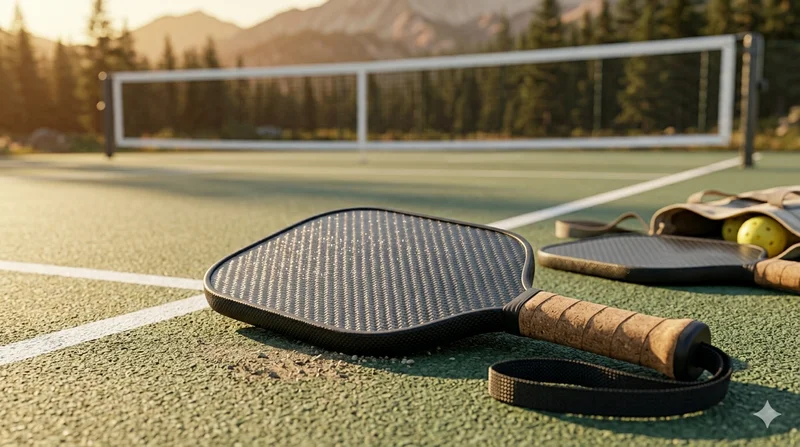
Carbon Fiber Pickleball Paddle
High-performance pickleball paddle with Toray T700 carbon fiber face and polypropylene honeycomb core. Delivers excellent power-to-weight ratio, spin generation, and vibration dampening for competitive play.
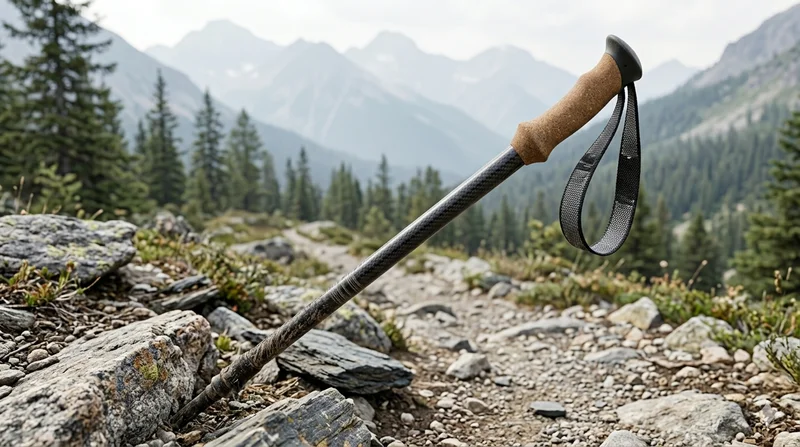
Carbon Fiber Trekking Pole
Lightweight carbon fiber trekking pole manufactured from high-grade carbon fiber tube. Weighs only 160g per pole while providing superior shock absorption and durability for hiking, trail running, and backpacking.