
Carbon fiber plate cutting is the operation that turns a cured laminate sheet into a finished component, and it decides whether that part is dimensionally accurate, clean at the edge, and safe to load. Carbon fiber reinforced polymer (CFRP) is abrasive and thermally sensitive: the fibers wear tool e
Introduction
Carbon fiber plate cutting is the operation that turns a cured laminate sheet into a finished component, and it decides whether that part is dimensionally accurate, clean at the edge, and safe to load. Carbon fiber reinforced polymer (CFRP) is abrasive and thermally sensitive: the fibers wear tool edges quickly, and the resin matrix can burn, delaminate, or fray when a cut generates too much friction. A plate cut on the wrong process shows rough edges, delamination at the exit face, or a heat-affected zone that later cracks under load. This guide compares the three practical routes for carbon fiber plate cutting — CNC routing, abrasive waterjet, and hand or power-tool trimming — and explains how to choose between them for 1 mm, 4 mm, and thicker plates.
It covers how each process removes material, the tooling and parameters that keep edges clean, the defects worth inspecting for, and the specifications to define when you buy plate already cut to size.
How Carbon Fiber Plate Cutting Works
A cured carbon fiber plate is a laminate of many thin plies bonded by an epoxy or thermoplastic matrix. The fibers carry the load and are extremely hard, while the matrix holds them in place and is comparatively soft. Any cutting process has to sever both phases at once, and each reacts differently:
- Fibers: Highly abrasive and brittle. A dull edge pushes and pulls them instead of shearing them, which tears fibers and opens the cut edge.
- Matrix: Heat sensitive. Friction raises the temperature fast, softening or burning the resin and leaving a heat-affected zone with reduced strength.
- Interfaces: The ply boundaries are the weakest layer. Where the tool exits the underside, the upper plies can be pushed away from those below, producing delamination and a frayed exit edge.
The result is that carbon fiber plate cutting is judged by two numbers more than any other: edge quality and dimensional accuracy. A good process leaves a clean, square edge with no delamination, holds tolerance to a few tenths of a millimeter, and does not overheat the laminate. A poor process may still make the part look acceptable on the top face while leaving a hidden defect on the bottom that only appears after the part is loaded.
Carbon Fiber Plate Cutting Methods Compared
Three processes cover almost all production and workshop needs. The table below compares them for a typical 3 mm cured plate:
| Method | Edge Quality | Kerf | Heat Input | Complex Shapes | Best For |
|---|---|---|---|---|---|
| CNC router (diamond or PCD cutter) | Good to excellent | 3-6 mm | Low with coolant and climb cutting | Yes, nested parts | Production runs, holes, pockets, complex outlines |
| Abrasive waterjet | Excellent, no heat | 0.8-1.6 mm | None | Yes | Thick plate, tight tolerance, heat-sensitive layups |
| Hand or power-tool routing | Fair to good | 2-5 mm | High if rushed | Limited | One-off trims, fitting, repair, small edits |
CNC routing is the workhorse for flat parts because it drills, profiles, and pockets in one setup and can nest many shapes on a sheet. Abrasive waterjet is the reference process for thick plate and for any laminate that cannot tolerate heat, since a pure water-and-garnet jet introduces no thermal load. Hand routing remains useful wherever a part must be fitted on the bench or on site, but it is the least consistent of the three and rewards patience.
Tooling and Parameters for Carbon Fiber Sheet Cutting
On a CNC router, the cutter and the cutting strategy matter more than spindle power. Carbon fiber sheet cutting with the wrong tool produces heat, fraying, and rapid tool wear no matter how rigid the machine is:
- Diamond-coated or PCD cutters: Carbide wears out in minutes on CFRP; polycrystalline diamond or diamond-coated tooling lasts orders of magnitude longer and holds a sharp edge.
- Up-cut or compression geometry: A compression cutter shears both faces inward and reduces the frayed exit edge that a simple up-cut leaves behind.
- Climb cutting: Feeding the cutter into the material against the rotation direction keeps the chipload stable and limits edge chipping.
- High spindle speed, moderate feed: The aim is a thin chip that is cut, not rubbed. Too slow a feed converts the edge into a friction heater.
The table below gives starting parameters for a 6 mm diamond-coated compression cutter on a CNC router with dust extraction and a coolant mist:
| Plate Thickness | Spindle Speed | Feed Rate | Passes | Note |
|---|---|---|---|---|
| 1-2 mm | 16,000-20,000 rpm | 2,000-3,000 mm/min | 1-2 | Support the sheet to stop flutter |
| 3-4 mm | 12,000-16,000 rpm | 1,200-2,000 mm/min | 2-3 | Step down 1.5 mm per pass |
| 5-8 mm | 10,000-14,000 rpm | 800-1,500 mm/min | 3-6 | Use through-coolant to control heat |
These figures are starting points, not a recipe. Carbon fiber sheet machining depends on the weave and resin, the tool geometry, and how the plate is supported, so every shop should tune from a scrap test coupon before running valuable material.
Hand Routing and Trimming Carbon Fiber Sheet
Where a part has to be trimmed to fit, hand and power-tool methods are unavoidable, and they can produce an acceptable edge if the same discipline is applied. A rotary tool with a diamond or abrasive bit, a fine-tooth carbide jigsaw blade, or a guided trim router all work; the failure mode is always the same, which is moving too fast and letting the tool rub instead of cut.
- Support the cut line: Clamp the plate to a sacrificial backer. An unsupported sheet chatters, and chatter tears the exit ply.
- Score first: For straight trim lines, score the top surface with a fresh blade, then cut. The score guides the cut and limits edge fraying.
- Control the dust: Carbon fiber dust is conductive and a skin irritant, so use extraction and wear a respirator, gloves, and eye protection.
- Dress the edge: Finish with a fine diamond file working from the top face down, so any fray stays on the face you can sand back.
Hand work is best reserved for edge trimming of a few millimeters, fitting hardware, or repair. Anything with a dimension that matters should be cut on a machine and checked against a drawing.
Common Defects in Carbon Fiber Plate Cutting
Inspecting cut parts against a short defect list catches most problems before they reach assembly:
- Delamination: Layers separated at the exit face, usually caused by a dull cutter, too much down-force, or no backer support. It often hides on the underside.
- Fraying and burrs: Loose fiber ends along the edge, the signature of a tool that is pulling fibers instead of shearing them.
- Heat damage: A dark or glossy burned edge with a resin smell indicates the feed was too slow or coolant was missing. The damaged zone has lost matrix strength.
- Dimensional drift: Oversized or undersized parts from tool deflection on long cuts or from thermal expansion during machining.
- Holes out of round or oversized: Router cutters wander in CFRP; peck drilling or helical interpolation holds hole tolerance far better than a single plunge.
Sourcing Cut-to-Size Carbon Fiber Plate
Many buyers now skip in-house cutting and order plate already profiled to a drawing, which removes the tooling investment and the dust-control burden. When sourcing, define the specifications that control both price and fit:
| Specification | What to Define | Why It Matters |
|---|---|---|
| Thickness | Exact nominal, for example carbon fiber plate 4mm | Sets stiffness and the cutting parameters |
| Finish surface | Twill, plain, or matte/gloss | Drives cosmetics and post-processing |
| Edge requirement | Deburred, sealed, or polished | Controls fraying and moisture ingress |
| Tolerance | Outline and hole tolerance on the drawing | Determines fit with mating parts |
| Fiber grade | Standard modulus or high modulus | Sets strength and cost |
| Quantity and nesting | One-off or production batch | Drives the most economic cut plan |
A reliable supplier will quote against the drawing, confirm which process it will use, and provide a first-article sample for approval before a production run. For a one-off bracket the choice may be a hand-trimmed plate; for a batch of nested panels, CNC or waterjet is far cheaper per part. Whichever route you take, ask for the cut edge to be inspected for delamination and friability, because an edge that looks fine on the top face can still fail on the bottom.
Frequently Asked Questions
Can you cut carbon fiber plate with a CNC router?
Yes, and for flat parts it is the most versatile method. Use a diamond-coated or PCD cutter with a compression geometry, cool and extract the dust, and climb-cut with a moderate feed so the tool shears rather than rubs. A CNC router also drills and pockets in the same setup, which makes it ideal for nested production parts. The one hard rule is to avoid standard carbide tooling: it dulls within minutes on the abrasive fibers and starts tearing the edge.
Is waterjet better than laser for cutting carbon fiber plate?
For structural plate, abrasive waterjet is the better choice and laser is generally the wrong tool. A laser burns the resin matrix, leaving a charred heat-affected zone and toxic fumes, and it struggles with thicker laminates. An abrasive waterjet cuts by erosion with essentially no heat input, holds tight tolerance, and produces an edge that needs little finishing. Laser can be viable for thin, non-structural sheet, but waterjet or routing is the standard for load-bearing parts.
How do you cut a 4 mm carbon fiber plate by hand?
A 4 mm plate is at the edge of what hand tools cut well. Clamp it firmly to a sacrificial backer, score the top face along the cut line with a fresh blade, then cut with a fine-tooth carbide jigsaw blade or a diamond abrasive wheel, letting the tool do the work at low speed. Finish the edge with a diamond file working from the top face down. Keep the cut a few millimeters long of the line and remove the allowance in the finishing step, because hand cuts rarely hold a straight line for a long distance.
Conclusion
Carbon fiber plate cutting is a choice between three well-understood processes. CNC routing is the most flexible for flat parts and holes, abrasive waterjet gives the cleanest, heat-free edge and suits thick or heat-sensitive plate, and hand or power-tool routing handles fitting, repair, and small trims. In every case the edge is the proof: a good cut is square, free of delamination and friability, and cool enough that the resin is untouched. Specify the process and the tolerance on the drawing, insist on a first-article check, and the finished part will fit and last.
If you need carbon fiber plate supplied cut to size, browse our carbon fiber plate and sheet range in standard and high-modulus grades and a choice of thicknesses, or contact our engineering team with your drawing for a cutting quote and machining recommendation.
Part of topic
Related Articles
- Carbon Fiber Sheet Cutting: Methods, Tools and Edge Quality
- Carbon Fiber Tube Strength Calculator: How to Size Tubes for Real Loads
- Carbon Fiber Sheet Thickness: Standard Sizes and Selection Criteria
- Carbon Fiber Sheet Molding Compound: Process, Properties and Applications
- Carbon Fiber Sheet Density: Areal Weight, Fiber Volume and Laminate Density
- Carbon Fiber Tube Cutting: Clean Square-End Techniques for Production
Interested in Our Products?
Contact our team for competitive pricing and technical specifications.
Get a QuoteRelated Products

Carbon Fiber Plate — 3K Twill T700 3.0mm
Medium-thickness 3.0mm carbon fiber plate offering significantly higher load capacity while maintaining attractive 3K twill finish. Suitable for structural brackets, reinforcement plates, and load-bearing panels.

Carbon Fiber Plate — 3K Twill T700 1.5mm
Thin 1.5mm carbon fiber plate with 3K twill weave surface. Lightweight and stiff, commonly used for covers, panels, drone bodies, and applications requiring a premium aesthetic appearance.

Square Carbon Fiber Tube — 3K Twill T700
Square cross-section carbon fiber tube manufactured with 3K twill weave for torsional strength. Preferred for structural frames, trusses, and support columns where rectangular geometry offers design flexibility.
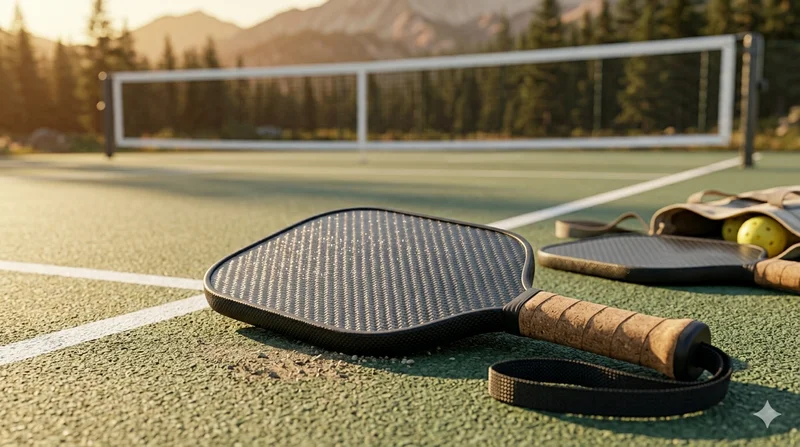
Carbon Fiber Pickleball Paddle
High-performance pickleball paddle with Toray T700 carbon fiber face and polypropylene honeycomb core. Delivers excellent power-to-weight ratio, spin generation, and vibration dampening for competitive play.
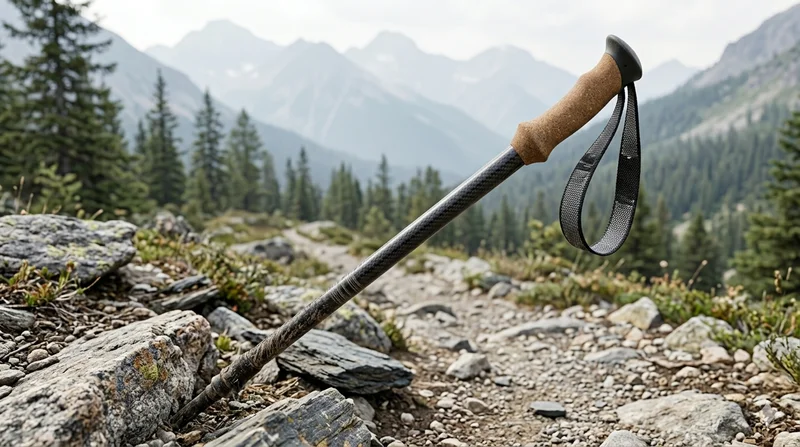
Carbon Fiber Trekking Pole
Lightweight carbon fiber trekking pole manufactured from high-grade carbon fiber tube. Weighs only 160g per pole while providing superior shock absorption and durability for hiking, trail running, and backpacking.