Choosing a carbon fiber yarn supplier is the right first step when your process needs twist — knitting, braiding, sewing and weaving all consume twisted yarn rather than untwisted tow, and the twist level decides how the material behaves on your machine. This guide explains what a carbon fiber yarn
Introduction
Choosing a carbon fiber yarn supplier is the right first step when your process needs twist — knitting, braiding, sewing and weaving all consume twisted yarn rather than untwisted tow, and the twist level decides how the material behaves on your machine. This guide explains what a carbon fiber yarn supplier actually ships — filament count, turns per meter, sizing chemistry and package form — with real commercial numbers, then walks through MOQ, pricing and lead time so you can compare offers to buy carbon fiber yarn from a carbon fiber yarn supplier in China on the same basis as any other source.
Yarn differs from tow in one decisive way: it is twisted. Twist holds filaments together at high machine speed, but it also introduces crimp that lowers translated strength by roughly 5 to 15 percent depending on level. Pin down three numbers before you sign: turns per meter (commonly 20 to 120), filament count in thousands (1K, 3K, 6K, 12K), and tensile grade. Leave any of them open and the yarn may run cleanly on the creel yet miss your laminate strength target.
What a carbon fiber yarn supplier actually ships
Every yarn quotation bundles five decisions. Get them wrong and the price comparison is meaningless.
| Parameter | Typical range | Why it matters |
|---|---|---|
| Filament count | 1K, 3K, 6K, 12K | Yarn fineness, fabric sett, downstream process |
| Twist level | 20-120 turns per meter, S or Z direction | Cohesion at speed versus translated strength |
| Tensile grade | Standard (T300 class), high strength (T700 class) | Strength per filament and cost per kilogram |
| Sizing type | Textile processing, epoxy compatible, or both | Knitting stability and later resin bonding |
| Package form | Cheese, cone, warp beam | Pay-off behavior on your machine |
| Linear density | 200-1200 tex | Delivery density and machine setup |
Twist direction matters more than buyers expect. S-twist and Z-twist yarns interlace differently in a plied structure, and swapping one for the other changes fabric hand and surface appearance. A competent carbon fiber yarn supplier asks your machine type, feed direction and target fabric sett before quoting, not after the first beam jams on the loom.
Choosing a carbon fiber yarn supplier in China
China supplies most of the world's carbon fiber yarn, but the field ranges from integrated producers to small twisting workshops. Run these checks before you commit.
- Ask where the precursor came from: a real carbon fiber yarn supplier can name the precursor line and carbonization route behind the tensile data, not just the brand on the box.
- Get twist specification in writing: turns per meter, direction and tolerance, plus the plying structure if any — verbal twist specs drift between lots.
- Check sizing compatibility in writing: state whether the yarn must survive knitting lubricant yet still bond to your matrix later.
- Verify package winding: request a sample cheese and run it at production speed; soft spots and edge builds show up only under tension.
- Confirm grade stability: require three consecutive lot certificates before you lock annual volume.
A trading company can still serve first orders and mixed volumes, but only the twisting mill can re-run a batch when measured strength drifts low.
MOQ, pricing and lead time when you buy carbon fiber yarn
Commercial terms vary more than technical ones. Use this table as a sanity check when you compare offers to buy carbon fiber yarn.
| Order type | MOQ | Indicative lead time |
|---|---|---|
| Stock grade, standard twist (3K/6K) | 50-200 kg | 1-2 weeks |
| Custom twist or 1K fine yarn | 200-400 kg | 3-5 weeks |
| High-strength grade (T700 class) | 100-300 kg | 3-6 weeks |
| Trial lot for qualification | 10-30 kg | 1-2 weeks plus testing |
Price follows grade first, twist and count second, volume third. High-strength yarn typically costs 30 to 60 percent more than a standard grade at the same count, and finer counts add cost because more filament surface must be sized and twisted evenly. Storage matters more than freight: yarn dislikes moisture and ultraviolet exposure, so packs arrive sealed with desiccant and should stay wrapped until the beam is loaded.
A carbon fiber yarn supplier factory also quotes twisted yarn differently from flat tow of the same grade, because twisting consumes dedicated spindle time. If a yarn price looks far below the tow price, ask whether the material is actually twisted to your specification or sold as untwisted bundles relabeled for the order.
Quality checks before the first shipment
Run these checks on the trial lot before you release production volume.
- Twist verification: untwist a known length and count turns per meter against the certificate — a mismatch changes both fabric sett and laminate strength.
- Linear density check: weigh a known length; deviation beyond 3 percent signals inconsistent processing upstream.
- Run-in trial: knit, braid or weave a short run at production speed and watch for filament breakage and stoppages.
- Wet-out trial: impregnate a sample in your own resin; dry spots mean the sizing is wrong for your matrix.
- Label traceability: lot number, grade, twist code and weight on every package must match the shipping documents.
ISO 9001 certification tells you the process is documented; it does not prove the cones you received match the cones you approved. Keep each lot certificate with your incoming-inspection record and repeat the twist count on every new lot.
Frequently Asked Questions
What is the difference between carbon fiber yarn and carbon fiber tow?
Tow is a bundle of untwisted continuous filaments held together by sizing alone, while yarn is twisted so textile machinery can process it at speed. Twist adds cohesion but costs some translated strength, so winding and pultrusion normally prefer tow while knitting, braiding and sewing operations need yarn.
Can a carbon fiber yarn supplier set a custom twist level?
Yes, if you specify turns per meter, direction (S or Z) and tolerance in the contract. Custom twist usually raises MOQ because spindles must be reconfigured, so confirm the minimum batch before you request a non-standard twist for a qualification run.
How should carbon fiber yarn be stored between deliveries?
Keep sealed packs indoors at stable temperature, off the floor and away from windows; ultraviolet light and moisture degrade sizing before the yarn ever reaches your machine. Rotate stock first-in first-out and keep original lot labels attached so incoming inspection can trace any later complaint.
Conclusion
A carbon fiber yarn supplier is judged on twist discipline, count consistency, sizing matched to both your machine and your matrix, package winding quality and traceable lot data. Pin those down in your RFQ, run a qualification lot at your own production speed, and demand twist and tensile certificates per batch before committing annual volume. To compare specifications side by side, browse the current carbon fiber products catalog or contact the technical sales team with your count, twist, resin system and annual tonnage — you will get a written spec sheet back, not just a price.
Part of topic
Related Articles
- Carbon Fiber Rod Wholesale Price: Market Benchmarks and Drivers
- Carbon Fiber Plate Wholesale Price: Market Benchmarks and Drivers
- Carbon Fiber Tube Wholesale Price: Market Benchmarks and Drivers
- Carbon Fiber Sheet Wholesale Price: Market Benchmarks and Drivers
- Carbon Fiber Rod Distributor: Stock, Pricing, and Sourcing Guide
- Carbon Fiber Tube Distributor: Stock, Pricing, and Sourcing Guide
Interested in Our Products?
Contact our team for competitive pricing and technical specifications.
Get a QuoteRelated Products
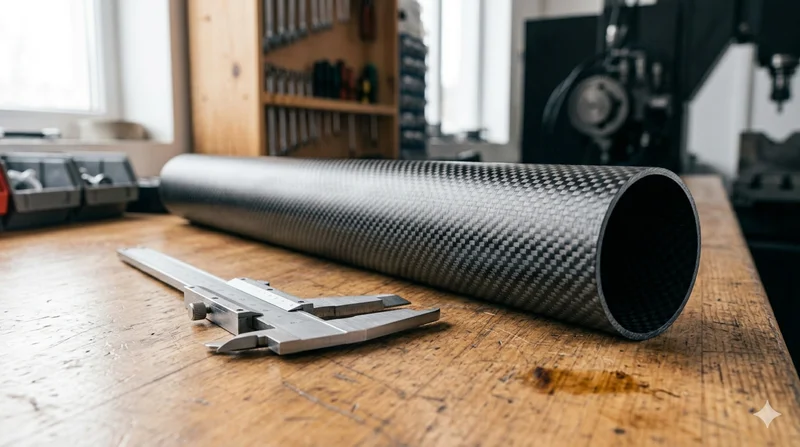
Round Carbon Fiber Tube — 3K Plain Weave T700
Standard round carbon fiber tube manufactured from Toray T700 grade fiber with 3K plain weave. Offers balanced strength and stiffness for general industrial applications including robotics, automation, sports equipment, and aerospace structures.
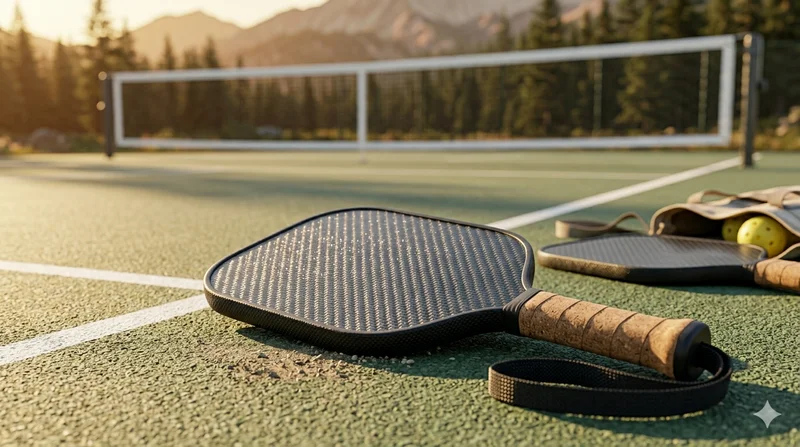
Carbon Fiber Pickleball Paddle
High-performance pickleball paddle with Toray T700 carbon fiber face and polypropylene honeycomb core. Delivers excellent power-to-weight ratio, spin generation, and vibration dampening for competitive play.
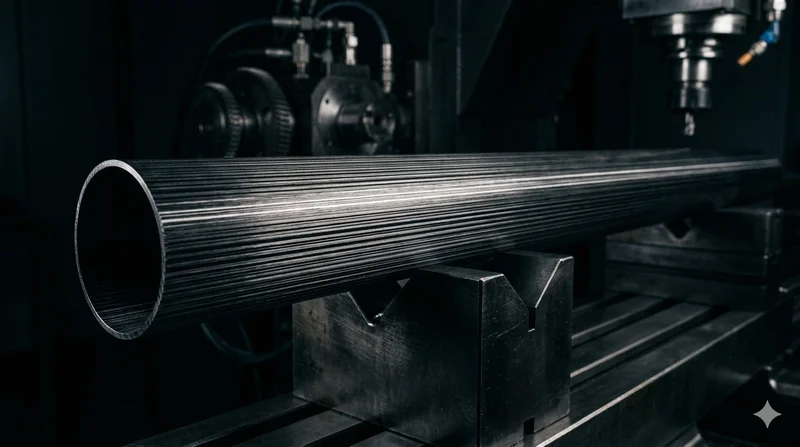
Round Carbon Fiber Tube — UD Unidirectional T700
Unidirectional (UD) round tube with all fibers aligned axially for maximum longitudinal stiffness. Ideal for applications requiring high bending rigidity with minimal weight, such as shafts, struts, and structural reinforcements.
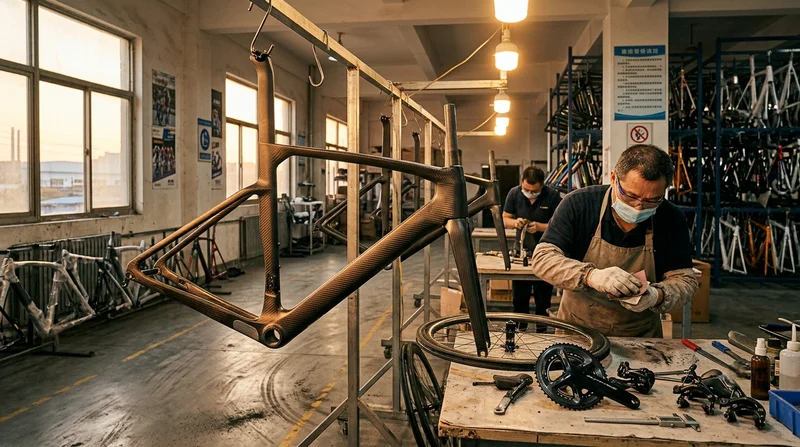
Custom Carbon Fiber Bicycle Frame
Full-custom carbon fiber bicycle frame manufactured to your geometry specifications. We produce road, gravel, mountain, and track frames using high-modulus carbon fiber layups optimized for each riding discipline. Monocoque construction with internal cable routing, available with disc or rim brake mounts.
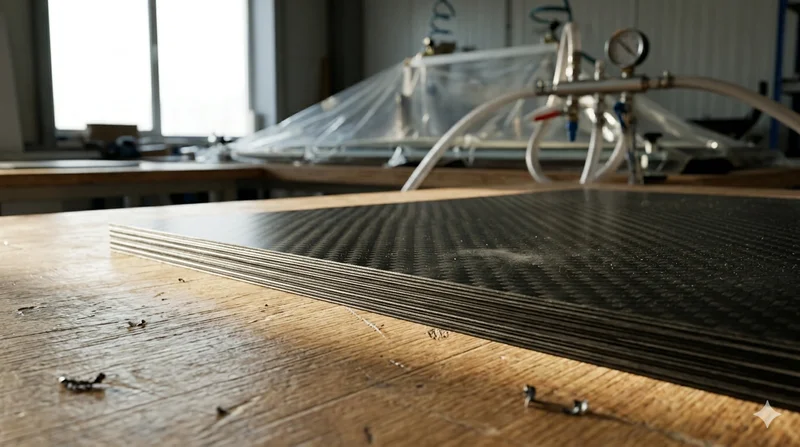
Carbon Fiber Plate — 3K Twill T700 3.0mm
Medium-thickness 3.0mm carbon fiber plate offering significantly higher load capacity while maintaining attractive 3K twill finish. Suitable for structural brackets, reinforcement plates, and load-bearing panels.