A carbon fiber sheet mill does one thing well: it turns prepreg into flat laminate of controlled thickness, then cuts it to a drawing. The buying decision rests on five numbers, thickness, panel size, layup, surface finish and flatness, and everything else follows. This guide explains what a carbon
Introduction
A carbon fiber sheet mill does one thing well: it turns prepreg into flat laminate of controlled thickness, then cuts it to a drawing. The buying decision rests on five numbers, thickness, panel size, layup, surface finish and flatness, and everything else follows. This guide explains what a carbon fiber sheet mill actually controls, where a mill ends and a converter begins, and what MOQ and lead times look like in 2026 so you can buy carbon fiber sheet without paying for thickness you cannot use.
Sheet is the most mis-specified composite product on the market. Two panels at 2.0 mm can differ by 15 percent in fibre volume, by a factor of four in void content and by several millimetres of bow across a metre. All three pass a visual check. Only a written specification and a flatness measurement separate them.
What a carbon fiber sheet mill actually produces
Thickness band drives the process more than any other variable. Thin sheet is a finishing problem, thick sheet is a cure and stress problem, and a competent carbon fiber sheet mill will say which band your drawing falls into before quoting.
| Thickness | Typical layup | Finish | Tolerance | Typical use |
|---|---|---|---|---|
| 0.5-1.0 mm | 2x2 twill, 3K cosmetic | Gloss or matte | ±0.05 mm | Drone plates, RC parts, covers |
| 1.0-3.0 mm | Twill or plain weave | Gloss, matte, peel ply | ±0.10 mm | Brackets, panels, enclosures |
| 3.0-10 mm | Quasi-isotropic prepreg stack | Tool face or sanded | ±0.20 mm | Structural plates, jigs, arms |
| 10-30 mm | Thick laminate, sequenced cure | Machined | ±0.50 mm | Tooling, marine, wear parts |
Below 1 mm, the laminate is dominated by surface resin and the weave pattern, so scratch resistance and appearance decide the price. Above 3 mm, exotherm and residual stress decide it, and a mill that cures a thick stack in one shot without a dwell will ship panels that bow after machining. Ask for the cure schedule, not just the pressure.
A mill is not a converter
Most supplier websites blur this line, and the blur costs buyers money.
- A mill buys prepreg, lays it up, cures it under pressure and owns the cure recipe, so it can change fibre volume, void content and thickness within its own process.
- A converter buys cured sheet by the panel, then cuts, machines and finishes it; it can deliver in days from stock but cannot fix a laminate problem.
- A vertical mill does both, which is what you want when a drawing needs a non-standard thickness and a finished edge in one purchase order.
- A trader owns neither, so any deviation becomes a negotiation between three parties while your line waits.
Ask the question directly: who mixes the resin and who closes the press? The answer tells you who is accountable when thickness drifts or a panel arrives with a dry patch under the weave.
Choosing a carbon fiber sheet mill in China
Capacity in China ranges from autoclave lines serving aerospace to press shops running one thickness all year. Five checks sort them quickly.
- Ask for the cure schedule: ramp rate, dwell, pressure and cooling rate per thickness band, not a generic data sheet.
- Request fibre volume and void data: 55 to 62 percent fibre volume is normal; void content above 2 percent shows up as a weak, milky laminate.
- Confirm the flatness method: a granite plate and a dial gauge, with a stated limit in millimetres per metre, beats the word flat.
- Check the press size: a 1,200 by 2,400 mm panel needs a platen larger than that, and many mills quietly quote a smaller format.
- Ask who does the cutting: in-house CNC routing with diamond tooling avoids the chipping that a third-party saw introduces on cosmetic faces.
Samples matter more than certificates here. Request a 300 by 300 mm coupon at your target thickness, measure it yourself and machine a test feature into it, because a coupon that cuts cleanly tells you more about process control than a folder of ISO documents.
MOQ, pricing and lead time to buy carbon fiber sheet
Stock formats dominate small orders, custom layups dominate performance work. The table below shows where each one sits.
| Order type | MOQ | Indicative lead time |
|---|---|---|
| Stock sheet, standard thickness | 1-5 panels | 3-7 days |
| Custom thickness, existing tooling | 10-30 panels | 2-3 weeks |
| Custom layup or quasi-isotropic stack | 30-100 panels | 3-5 weeks |
| New mould plus first production run | 100-300 panels | 6-10 weeks |
Price per panel is driven by areal weight and cure route first, thickness second and panel size third. A 2 mm cosmetic panel can cost less than a 1 mm structural one, because the cosmetic panel uses a cheaper weave and a faster press cycle while the structural panel pays for controlled fibre volume and testing. Treat any quote that ignores thickness band with suspicion.
Cutting changes the commercial picture. A mill that sells full panels and a converter that sells 100 finished blanks at the same total area can differ by 25 percent, because cutting, labelling and packing are labour, not material. Decide early whether you are buying area or buying parts, and put the answer in the RFQ so the quote is comparable.
Incoming checks for flat sheet
- Thickness grid: nine points per panel, edge and centre, recorded as a range rather than a single reading.
- Flatness: panel on a granite plate, feeler gauge under a straight edge at the centre and both diagonals.
- Void and dry spots: hold the panel against a bright light; milky patches and visible weave print-through signal resin-starved areas.
- Edge quality: check for delamination, fibre pull-out and burn marks from cutting, especially on thick panels.
- Traceability: lot number, prepreg batch, cure date and fibre volume on the label, matched to the certificate.
Store sheet flat, on a rigid pallet and out of sunlight, because a panel that arrives true can still bow after a week leaning against a wall. Repeat the flatness check at goods-in, not on the line, so a suspect panel never reaches the machining centre.
Frequently Asked Questions
What is the difference between carbon fiber sheet and carbon fiber plate?
In trade use, sheet usually means thin laminate up to about 3 mm, sold in standard panel sizes for covers and brackets, while plate means thicker structural stock from 3 mm upward that is machined into load-bearing parts. The split is commercial rather than scientific, so always specify thickness and tolerance rather than relying on the word.
Can a carbon fiber sheet mill make a custom thickness?
Yes, within a band set by the prepreg areal weight and the press or autoclave. A 2.2 mm panel is straightforward by adjusting ply count, while a 0.6 mm panel needs a lighter prepreg to avoid weave distortion. Custom thickness usually moves the order from stock to a production slot, so expect a higher MOQ and two to four weeks.
Why does my sheet bow after machining?
Most bow after machining comes from residual stress locked in during cure, released when one face is cut away. A mill that cures thick stacks with a dwell and a controlled cooling ramp leaves less stress, and machining equal amounts from both faces keeps the balance. If bow appears on thin panels, check storage and humidity before blaming the laminate.
Conclusion
A carbon fiber sheet mill is worth its price when it can state the cure schedule, hold fibre volume and void content inside a written band, measure flatness on a granite plate and cut the panel without chipping the face. Ask who lays up, who presses and who cuts before you compare quotes, because those three answers explain most of a price difference. To compare thicknesses, weaves and finishes, browse the carbon fiber sheet range or send your panel drawing to the technical team with annual area and tolerance, and you will receive a written specification with a process route.
Part of topic
Related Articles
- Carbon Fiber Rod Wholesale Price: Market Benchmarks and Drivers
- Carbon Fiber Plate Wholesale Price: Market Benchmarks and Drivers
- Carbon Fiber Tube Wholesale Price: Market Benchmarks and Drivers
- Carbon Fiber Sheet Wholesale Price: Market Benchmarks and Drivers
- Carbon Fiber Rod Distributor: Stock, Pricing, and Sourcing Guide
- Carbon Fiber Tube Distributor: Stock, Pricing, and Sourcing Guide
Interested in Our Products?
Contact our team for competitive pricing and technical specifications.
Get a QuoteRelated Products
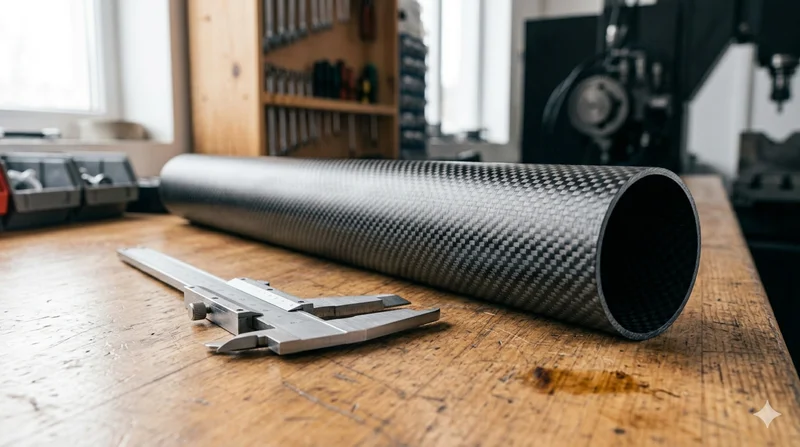
Round Carbon Fiber Tube — 3K Plain Weave T700
Standard round carbon fiber tube manufactured from Toray T700 grade fiber with 3K plain weave. Offers balanced strength and stiffness for general industrial applications including robotics, automation, sports equipment, and aerospace structures.
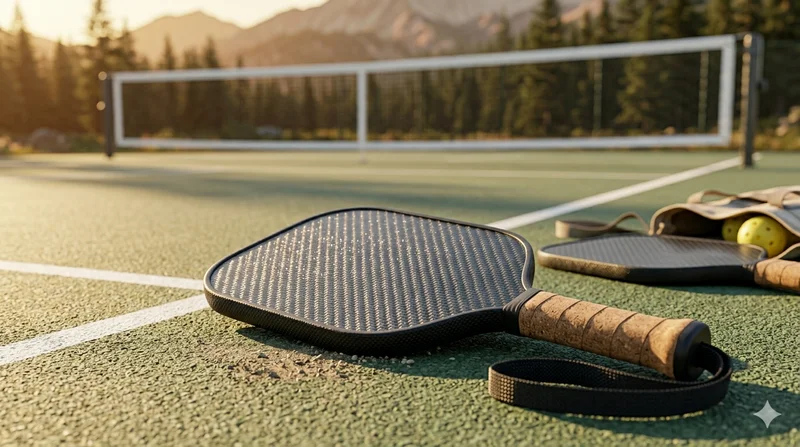
Carbon Fiber Pickleball Paddle
High-performance pickleball paddle with Toray T700 carbon fiber face and polypropylene honeycomb core. Delivers excellent power-to-weight ratio, spin generation, and vibration dampening for competitive play.
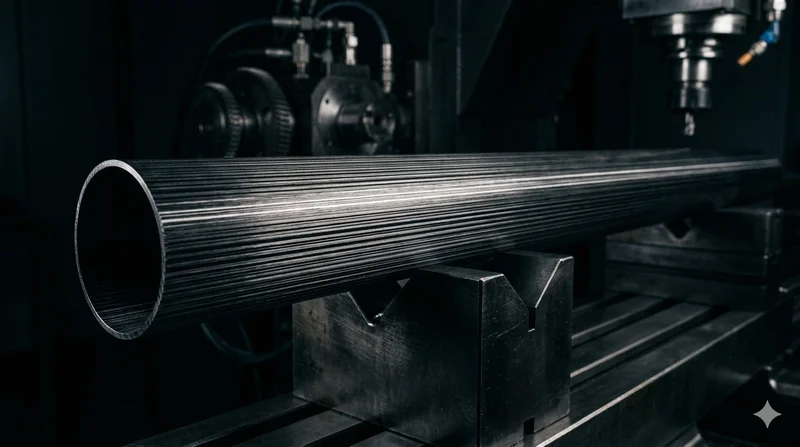
Round Carbon Fiber Tube — UD Unidirectional T700
Unidirectional (UD) round tube with all fibers aligned axially for maximum longitudinal stiffness. Ideal for applications requiring high bending rigidity with minimal weight, such as shafts, struts, and structural reinforcements.

Custom Carbon Fiber Bicycle Frame
Full-custom carbon fiber bicycle frame manufactured to your geometry specifications. We produce road, gravel, mountain, and track frames using high-modulus carbon fiber layups optimized for each riding discipline. Monocoque construction with internal cable routing, available with disc or rim brake mounts.
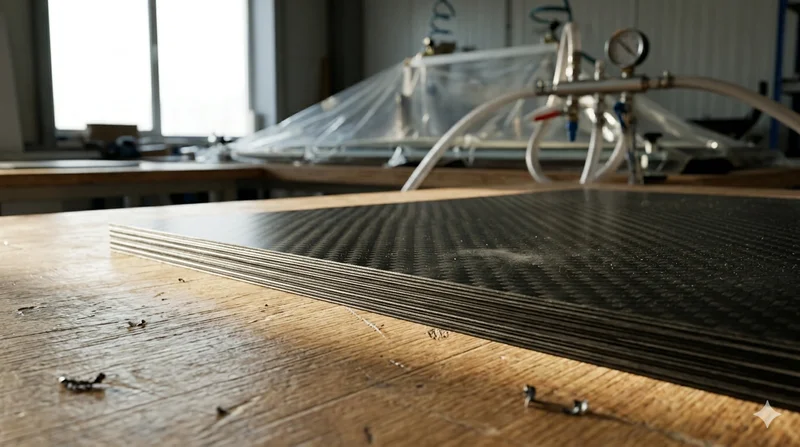
Carbon Fiber Plate — 3K Twill T700 3.0mm
Medium-thickness 3.0mm carbon fiber plate offering significantly higher load capacity while maintaining attractive 3K twill finish. Suitable for structural brackets, reinforcement plates, and load-bearing panels.