Finding reliable carbon fiber scrap buyers starts with understanding what you actually have in the bin. Carbon fiber scrap is not a single commodity; dry tow offcuts, woven fabric remnants, expired prepreg, cured laminate trim and end-of-life parts all move through different channels at very differe
Introduction
Finding reliable carbon fiber scrap buyers starts with understanding what you actually have in the bin. Carbon fiber scrap is not a single commodity; dry tow offcuts, woven fabric remnants, expired prepreg, cured laminate trim and end-of-life parts all move through different channels at very different prices. Sellers who treat every pile the same usually leave money on the table or struggle to get a call back. This guide explains who buys carbon fiber scrap, how they evaluate it, what drives the offer, and how to prepare a shipment that closes quickly and without disputes.
The global push for lightweight materials has created steady demand for recycled carbon fiber in automotive interiors, consumer electronics, industrial tooling and non-structural composites. That demand supports a real secondary market, but it is a technical market. Buyers care about fiber type, resin contamination, length, cleanliness and traceability. If you can describe those five points clearly, you move from "waste disposal" to "material supply."
Common Sources and Types of Carbon Fiber Scrap
Before contacting carbon fiber scrap buyers, sort your material by form and condition. The table below summarizes the categories most buyers recognize.
| Scrap Type | Typical Source | Fiber Condition | Buyer Interest |
|---|---|---|---|
| Dry tow/fiber waste | Weaving, filament winding, pultrusion | Clean, no resin | High - easy to reprocess |
| Dry fabric offcuts | Cutting rooms, kitting lines | Clean woven or non-crimp | High - reusable or chop-ready |
| Carbon fiber sheet scrap | CNC trimming of cured plates | Cured resin, consistent grade | Medium - needs milling or pyrolysis |
| Expired prepreg | Freezer overstock, past out-life | Resin-impregnated, partially aged | Medium - depends on resin state |
| Cured part offcuts | Autoclave trim, edge cuts | Fully cured, often painted/coated | Low to medium - extra cleaning |
| End-of-life components | Aerospace, automotive, sporting goods | Mixed materials, inserts, coatings | Low - highest processing cost |
Clean dry scrap commands the best response because the buyer can chop, mill, or repurpose it with minimal energy. Cured carbon fiber sheet scrap still has value, but the recycler must remove or tolerate the resin matrix, which lowers the net price.
Where to Find Carbon Fiber Scrap Buyers
Different buyers serve different scrap profiles. Matching the channel to your material saves weeks of back-and-forth.
- Specialized recyclers: Companies that run pyrolysis, solvolysis, or mechanical milling lines. They buy volume, accept cured scrap, and usually require consistent monthly supply.
- Composite manufacturers: Some molders buy clean dry offcuts to chop into short-fiber reinforcement for non-cosmetic parts. They are picky about contamination but may pay above recycler rates for known grades.
- Distributors and brokers: Useful for small or irregular lots. They consolidate material from multiple sellers, but their margin comes out of your price.
- Research and training institutions: Universities and training centers sometimes buy small batches of clean scrap for prototyping, machining practice, or materials testing.
- Direct industrial networks: Listing through industry associations, composites trade shows, or verified B2B platforms can connect you with carbon fiber scrap buyers actively sourcing feedstock.
For ongoing production waste, a direct relationship with a recycler or manufacturer usually beats spot sales through brokers. For one-time cleanouts, a broker may be the fastest route.
How Carbon Fiber Scrap Buyers Price Material
Pricing is rarely posted publicly because every lot is different. Still, most offers follow the same logic. Understanding it helps you negotiate on facts rather than guesses.
| Pricing Factor | What Buyers Check | Effect on Offer |
|---|---|---|
| Fiber form | Dry tow, fabric, cured plate, prepreg | Dry clean fiber earns highest range |
| Grade/modulus | Standard, intermediate, high modulus | Known aerospace grades can add premium |
| Contamination | Oil, dust, paint, metal inserts, mixed fibers | Each contaminant reduces usable yield |
| Lot size | One pallet vs. recurring tons | Volume lowers buyer logistics cost |
| Documentation | Material certs, origin, resin system | Traceability reduces buyer risk |
| Packaging/logistics | Baled, boxed, loose, palletized | Ready-to-ship lots avoid handling fees |
When you compare offers, look beyond the per-kilogram number. A buyer offering slightly less but covering freight, providing containers, or accepting mixed sizes may deliver a better net result. Also remember that the cost of carbon fiber in virgin form is far above scrap value, so buyers price scrap against recovered-fiber markets, not against new carbon fiber sheet price lists.
Preparing Scrap for Sale
A clean, well-documented lot gets faster quotes and fewer price renegotiations after inspection. Use this checklist before you send photos or samples.
- Sort by type: Keep dry fabric, cured carbon fiber sheet scrap, and prepreg separate. Mixed pallets invite downgrades.
- Remove obvious contaminants: Pull out metal inserts, tape, release film, cardboard, and excessive dust where practical.
- Weigh and label: Record net weight per box or pallet, fiber type if known, and approximate date of generation.
- Photograph clearly: Include wide shots of the lot, close-ups of the fiber surface, and any labels or material certificates.
- State the volume pattern: Buyers value predictable monthly supply. If you generate scrap continuously, say so.
- Clarify terms: Confirm Incoterms, pickup location, payment timing, and whether the buyer or seller handles testing.
Good preparation also protects you. When both sides agree on material condition before pickup, there is less room for post-delivery claims.
Frequently Asked Questions
Do carbon fiber scrap buyers accept small quantities?
Some do, but many specialized recyclers set minimums because processing and freight have fixed costs. For small lots under a few hundred kilograms, brokers, local composite shops, or training institutions are often more practical. If your volume is small but recurring, document the monthly output and ask for a standing pickup arrangement.
Is cured carbon fiber scrap worth selling?
Yes. Cured scrap has lower value than clean dry fiber, but it is still a feedstock for milled fiber, chopped fiber, or pyrolyzed recovered fiber. The key is to keep it separated from trash, metals, and mixed plastics. Clear photos and a known resin system make it much easier for buyers to quote accurately.
What documents should I provide when selling carbon fiber scrap?
Provide whatever you have: material certificates, fiber grade, weave style, resin type, purchase origin, and safety data sheets. For cured aerospace or automotive offcuts, traceability documents can improve buyer confidence. If documents are missing, be honest about the unknowns; buyers can test, but surprises after delivery damage trust.
Conclusion
The best outcomes with carbon fiber scrap buyers come from treating scrap as a classified material, not as garbage. Sort it by form, document what you know, and match the lot to the right channel. Whether you are moving dry offcuts, carbon fiber sheet scrap, or cured production trim, clear information and clean packaging turn a low-priority waste stream into a predictable revenue line. If you also source virgin materials or custom composite parts, review our carbon fiber products or contact our team for a quote and technical support.
Part of topic
Related Articles
- Carbon Fiber Plate Waste Recycling: Process, Yield and Economics
- Carbon Fiber Sheet Recycling Service: Process, Yield and Economics
- Carbon Fiber Rod Testing Service: Methods, Standards and Cost | YongXian
- Carbon Fiber Plate Inspection Service: Methods, Standards and Cost
- Carbon Fiber Sheet Quality Inspection: Methods, Standards and Cost
- Carbon Fiber Sheet Thickness Guide: Standard Sizes and Selection | YongXian
Interested in Our Products?
Contact our team for competitive pricing and technical specifications.
Get a QuoteRelated Products
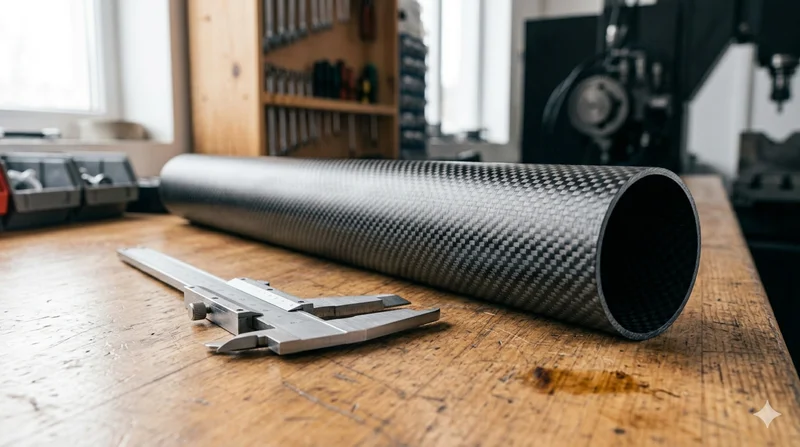
Round Carbon Fiber Tube — 3K Plain Weave T700
Standard round carbon fiber tube manufactured from Toray T700 grade fiber with 3K plain weave. Offers balanced strength and stiffness for general industrial applications including robotics, automation, sports equipment, and aerospace structures.
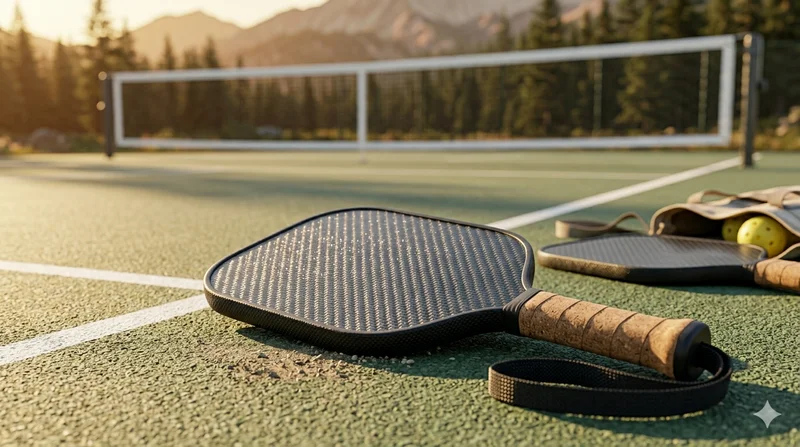
Carbon Fiber Pickleball Paddle
High-performance pickleball paddle with Toray T700 carbon fiber face and polypropylene honeycomb core. Delivers excellent power-to-weight ratio, spin generation, and vibration dampening for competitive play.
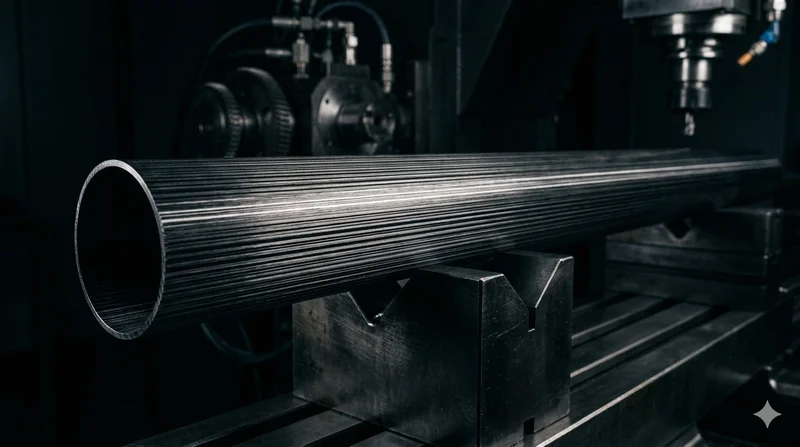
Round Carbon Fiber Tube — UD Unidirectional T700
Unidirectional (UD) round tube with all fibers aligned axially for maximum longitudinal stiffness. Ideal for applications requiring high bending rigidity with minimal weight, such as shafts, struts, and structural reinforcements.
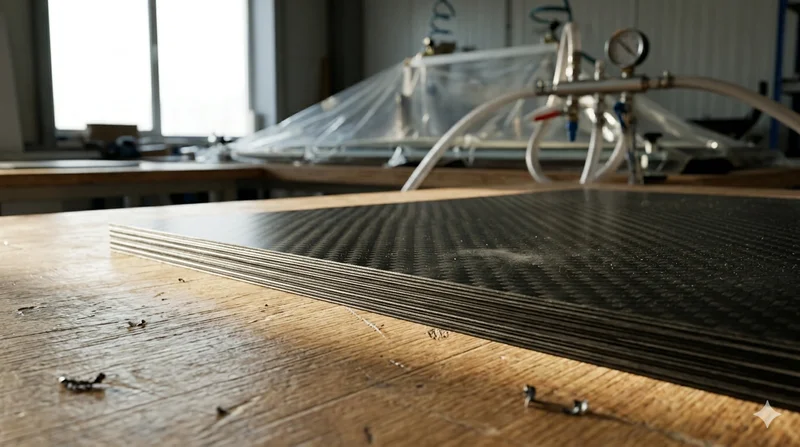
Carbon Fiber Plate — 3K Twill T700 3.0mm
Medium-thickness 3.0mm carbon fiber plate offering significantly higher load capacity while maintaining attractive 3K twill finish. Suitable for structural brackets, reinforcement plates, and load-bearing panels.
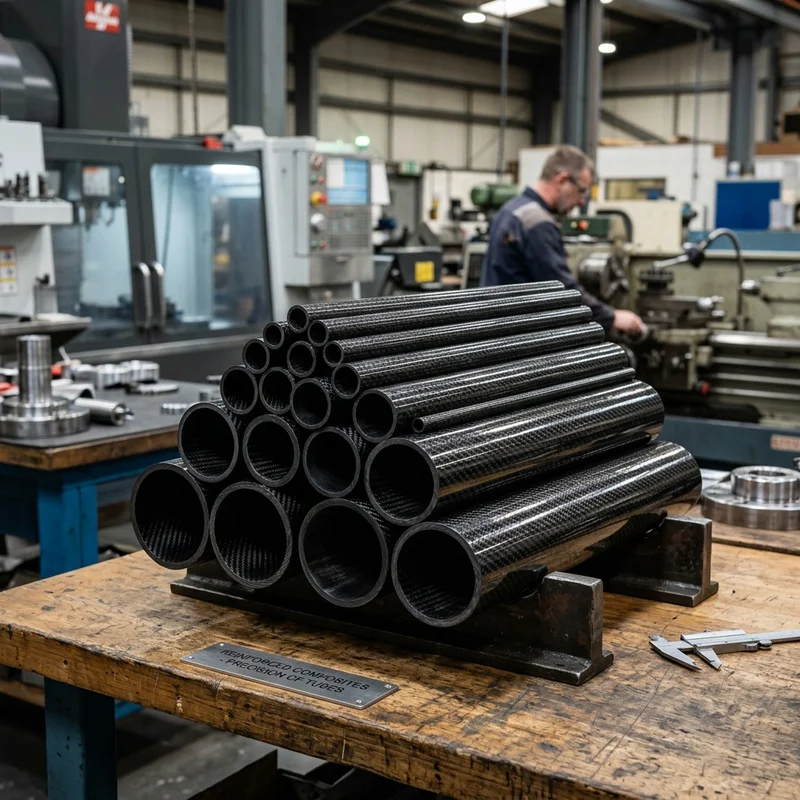
Round Carbon Fiber Tube — 3K Twill
Lightweight and ultra-stiff round tubes ideal for drone frames, robotics, and structural applications.