A carbon fiber hexagon tube manufacturer sells a section that looks simple and behaves differently from a round tube at almost every joint. The quotation is built from six decisions: across-flats size, wall thickness, corner radius, layup sequence, straightness and cut length. A carbon fiber hexagon
Introduction
A carbon fiber hexagon tube manufacturer sells a section that looks simple and behaves differently from a round tube at almost every joint. The quotation is built from six decisions: across-flats size, wall thickness, corner radius, layup sequence, straightness and cut length. A carbon fiber hexagon tube manufacturer that puts all six in writing before quoting can normally repeat the same section on the second and third order, which matters more than the price on the first invoice.
Six flat faces change how load enters the part. A bolted bracket sits on a flat land instead of a tangent line, a clamp grips without rotating, and a bonded panel finds a stable datum. The cost is a die or mandrel that is harder to machine, plus stress concentration at the corners when the drawing asks for a radius tighter than the laminate can carry.
What a carbon fiber hexagon tube manufacturer actually ships
Ask for these parameters as a table with a measurement method attached to each line, not as a sentence that says the tube is precise.
| Parameter | Typical range | What it controls |
|---|---|---|
| Across flats | 10 mm to 60 mm | Joint footprint and section stiffness |
| Wall thickness | 1.0 mm to 5.0 mm | Bearing strength at bolts and clamps |
| Corner radius | 0.5 mm to 3 mm | Corner stress and mandrel extraction |
| Layup | Pultruded axial, wrapped 0/90, braided 0/90/45 | Axial stiffness versus torsion |
| Tolerance | Plus or minus 0.2 mm across flats, plus or minus 0.1 mm wall | Fit with inserts and mating parts |
| Length | Up to 3000 mm, cut to size | Freight cost and splice count |
Pultruded hex tube is the volume product: continuous tow is pulled through a heated die that carries the hexagonal profile, which gives a constant section at the lowest cost per metre. Axial modulus lands around 100 to 130 GPa and tensile strength around 1200 to 1600 MPa depending on fiber grade and fiber volume fraction. Wrapped and braided hex tube cost more because a machined mandrel and a layup step enter the process, but they add off-axis plies, and that is the only way a hex section survives torsion in a frame or a folding mechanism.
Buy carbon fiber hexagon tube: facet width and torsion numbers
The reason to buy carbon fiber hexagon tube instead of aluminum is specific stiffness combined with a flat grip face. The table below compares a 30 mm across-flats section with a 2 mm wall against two metal alternatives at the same envelope.
| Material | Mass per metre | Axial modulus | Relative EI | EI per unit mass |
|---|---|---|---|---|
| Pultruded CFRP hex tube | 0.48 kg | 120 GPa | 0.62 | 1.29 |
| 6061-T6 aluminum hex tube | 0.71 kg | 69 GPa | 0.36 | 0.51 |
| 304 stainless hex tube | 2.05 kg | 193 GPa | 1.00 | 0.49 |
Facet width, not wall thickness, is the parameter buyers underestimate. A wider flat face spreads clamp load and gives the fastener a longer bearing length, but it also pushes the corner further from the neutral axis and raises the local bending stress under a tightened bolt. For a 30 mm across-flats tube with a 2 mm wall, a 1.5 mm corner radius is a practical default, and a competent carbon fiber hexagon tube manufacturer will say plainly when your drawing asks for a radius the mandrel cannot release.
Choosing a carbon fiber hexagon tube manufacturer in China
Most hex tube capacity sits in China, and the range runs from integrated carbonization lines to workshops that buy prepreg and wrap by hand. Five checks separate them quickly, and a search for a carbon fiber hexagon tube manufacturer china listing will return all of these types mixed together.
- Precursor traceability: ask which carbonization line produced the fiber behind the datasheet, not only which brand is printed on the carton.
- Tolerance in writing: across flats, wall, corner radius and straightness must appear as numbers with a measurement method.
- Layup disclosure: a real carbon fiber hexagon tube manufacturer will state ply angles and whether the tube is pultruded, wrapped or braided, because that decides torsion capacity.
- Sample at production length: a 200 mm coupon hides bow and twist, so request a full length piece and measure straightness on a granite table.
- Batch certificates: three consecutive lot reports before you lock annual volume, so you see variance rather than one lucky batch.
A trading company can handle a first order and consolidate mixed sizes, but only the mill can re-run a batch when measured wall thickness drifts low. Ask who owns the die and who owns the mandrel, because the answer tells you where your reorder will actually be produced.
MOQ, pricing and lead time for a carbon fiber hexagon tube manufacturer
Commercial terms vary more than technical ones, and the gap between a stock size and a custom hexagonal section is where most budgets break.
| Order type | MOQ | Indicative price | Lead time |
|---|---|---|---|
| Stock size, pultruded | 50 m | USD 9 to 20 per metre | 7 to 12 days |
| Custom die, pultruded | 300 m | USD 14 to 28 per metre | 20 to 30 days plus tooling |
| Wrapped custom hex | 100 pieces | USD 28 to 65 per piece | 18 to 28 days plus tooling |
| Braided structural hex | 200 pieces | USD 34 to 80 per piece | 25 to 35 days plus tooling |
Tooling is a one-time line item: a hexagonal pultrusion die commonly runs USD 3500 to 9000 because the profile cannot be ground from a round die, and a machined steel mandrel for wrapped tube USD 1800 to 4500 depending on length and corner radius. Amortize tooling across the first year rather than the first order, or you will reject a supplier who is genuinely cheaper at annual volume. When you buy carbon fiber hexagon tube in small quantity, accept a stock size and machine the ends locally rather than paying for a new die.
Auditing a carbon fiber hexagon tube manufacturer factory
An audit is not a certificate review. Walk the line and look for four things that a document cannot fake.
- Die in the press: the section number on the die should match your drawing, and the last run date should be recorded.
- Wall measurement at the exit: wall thickness checked as the profile leaves the die, because wall drift starts at the die and not at final inspection.
- Straightness and twist: a granite table or laser check with results recorded per lot, since bow and twist are the two complaints that survive shipping.
- Traceable stock: finished tube labelled with lot, section, layup and date, and stored horizontally on supports rather than leaning against a wall.
Ask for the last three nonconformance reports and read the root cause, not only the disposition. A carbon fiber hexagon tube manufacturer that can explain why a lot was scrapped is a supplier that measures; one that has never scrapped anything is a supplier that does not measure at all.
Frequently Asked Questions
What is the difference between pultruded and wrapped carbon fiber hexagon tube?
Pultrusion pulls continuous fiber through a heated hexagonal die, so the tube is mostly axial and cheap per metre, which suits struts, rails and frame members loaded along their length. Wrapping lays prepreg around a hex mandrel and allows 0/90 and plus or minus 45 plies, which resists torsion and crush but costs more and needs a mandrel that can be extracted from a six-sided section.
Can a carbon fiber hexagon tube manufacturer hold a plus or minus 0.1 mm wall tolerance?
Yes for wrapped and machined tube, and usually plus or minus 0.2 mm for pultruded stock. Below that, expect sorting or machining after cure, and price it in. State the measurement location and instrument on the drawing, because wall measured at a corner and at the middle of a facet differ by the corner build-up.
How do I stop a hex tube from crushing when I clamp it?
Clamp over a solid insert, a bonded sleeve or a filled section rather than directly on the wall, and keep bolt preload below the bearing limit of the laminate. The flat facets of a hex tube spread load across the full land, which is the practical advantage over a round tube, but the wall itself is still thin and local crushing is a bearing failure rather than a strength failure.
Conclusion
A carbon fiber hexagon tube manufacturer is judged on six numbers in writing: across flats, wall, corner radius, layup, tolerance and length, plus the audit evidence behind them. Fix those in your RFQ, request a full length sample measured on a granite table, and demand three consecutive lot certificates before you commit annual volume. To compare sections and finishes side by side, browse the current carbon fiber products catalogue or contact the technical sales team with your section drawing, load case and annual metreage, and you will receive a written specification sheet rather than a bare price.
Part of topic
Related Articles
- Carbon Fiber Rod Wholesale Price: Market Benchmarks and Drivers
- Carbon Fiber Plate Wholesale Price: Market Benchmarks and Drivers
- Carbon Fiber Tube Wholesale Price: Market Benchmarks and Drivers
- Carbon Fiber Sheet Wholesale Price: Market Benchmarks and Drivers
- Carbon Fiber Rod Distributor: Stock, Pricing, and Sourcing Guide
- Carbon Fiber Tube Distributor: Stock, Pricing, and Sourcing Guide
Interested in Our Products?
Contact our team for competitive pricing and technical specifications.
Get a QuoteRelated Products
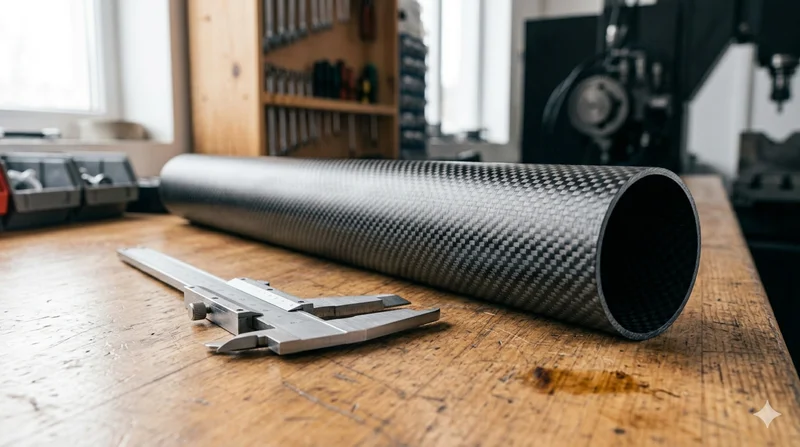
Round Carbon Fiber Tube — 3K Plain Weave T700
Standard round carbon fiber tube manufactured from Toray T700 grade fiber with 3K plain weave. Offers balanced strength and stiffness for general industrial applications including robotics, automation, sports equipment, and aerospace structures.
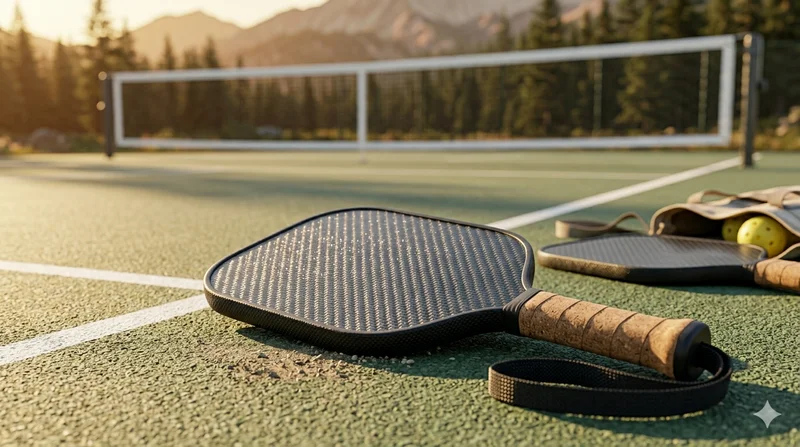
Carbon Fiber Pickleball Paddle
High-performance pickleball paddle with Toray T700 carbon fiber face and polypropylene honeycomb core. Delivers excellent power-to-weight ratio, spin generation, and vibration dampening for competitive play.
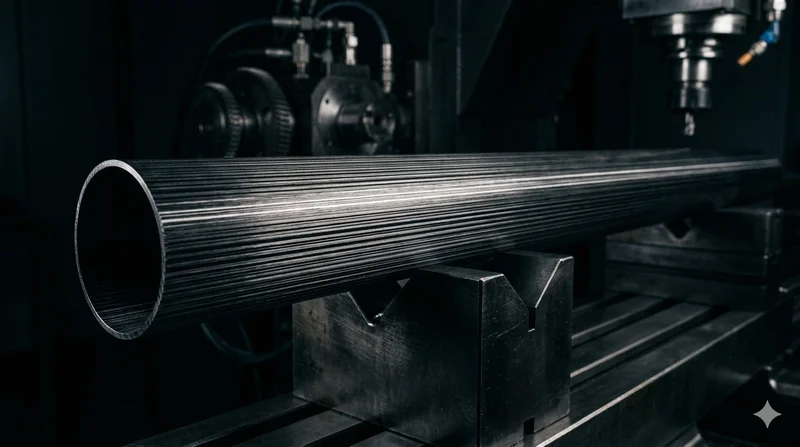
Round Carbon Fiber Tube — UD Unidirectional T700
Unidirectional (UD) round tube with all fibers aligned axially for maximum longitudinal stiffness. Ideal for applications requiring high bending rigidity with minimal weight, such as shafts, struts, and structural reinforcements.
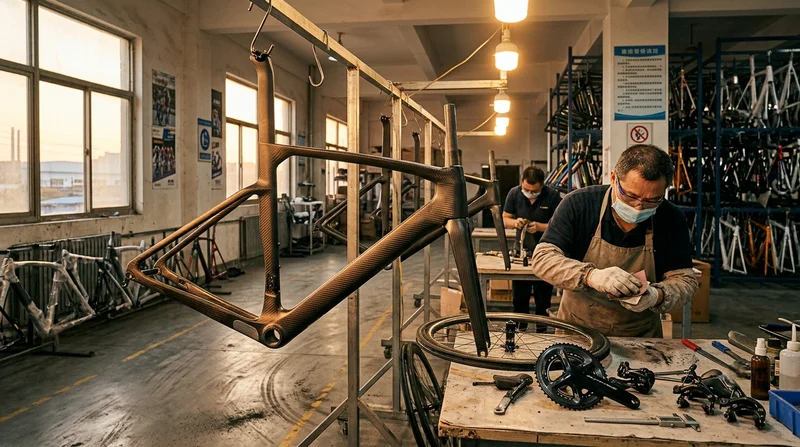
Custom Carbon Fiber Bicycle Frame
Full-custom carbon fiber bicycle frame manufactured to your geometry specifications. We produce road, gravel, mountain, and track frames using high-modulus carbon fiber layups optimized for each riding discipline. Monocoque construction with internal cable routing, available with disc or rim brake mounts.
Carbon Fiber Plate — 3K Twill T700 3.0mm
Medium-thickness 3.0mm carbon fiber plate offering significantly higher load capacity while maintaining attractive 3K twill finish. Suitable for structural brackets, reinforcement plates, and load-bearing panels.