
Carbon fiber tube suppliers are not interchangeable. A pultrusion manufacturer produces thousands of meters a week at factory prices but expects volume orders; a specialist roll-wrapping shop makes precision tubes with tight tolerances for aerospace and robotics; a filament-winding company builds la
Introduction
Carbon fiber tube suppliers are not interchangeable. A pultrusion manufacturer produces thousands of meters a week at factory prices but expects volume orders; a specialist roll-wrapping shop makes precision tubes with tight tolerances for aerospace and robotics; a filament-winding company builds large-diameter tube for drive shafts and masts; and a distributor imports standard sizes and sells single cut lengths with fast delivery. Choosing the right tier of carbon fiber tube suppliers determines the price you pay, the quality you can document, and how long you wait.
This guide maps the supplier landscape, explains how to compare process capability, quality systems, and certifications, and walks through the information a carbon fiber tube suppliers quote request should contain so you compare like for like.
What Carbon Fiber Tube Suppliers Actually Do
The term carbon fiber tube suppliers covers two fundamentally different businesses. Manufacturers convert raw carbon fiber tow and resin into tube on dedicated process lines — pultrusion, roll wrapping, filament winding, or braiding. Distributors buy tube from manufacturers and resell it, holding stock and cutting to length. A third group, fabricators, machine and bond purchased tube into finished parts. Each plays a role in the supply chain, and the right one for you depends on volume, tolerance, and how much of the value chain you want to manage yourself.
Manufacturers are the right choice when you need consistent quality at volume, custom diameters, or documented process control. Distributors win when you need standard sizes quickly and in small quantities. Fabricators make sense when the tube must arrive drilled, slotted, or with bonded inserts, ready for assembly.
Supplier Types and Process Capabilities
The process a supplier runs determines the diameters, tolerances, and strength they can deliver. The table below summarizes the four main types of carbon fiber tube suppliers:
| Supplier type | Typical OD range | Wall thickness | Typical lead time | Best suited for |
|---|---|---|---|---|
| Pultrusion manufacturer | 3-100 mm | 0.5-5 mm | 2-6 weeks | Volume production, structural struts |
| Roll-wrapping specialist | 5-150 mm | 0.5-3 mm | 3-8 weeks | Aerospace, robotics, precision joints |
| Filament-winding company | 20-600 mm | 1-10 mm | 4-10 weeks | Drive shafts, masts, pressure parts |
| Distributor / importer | Standard stock sizes | Standard range | 1-3 days | Prototypes, repairs, small orders |
Capacity is another axis. A mid-size pultruder runs one to two million meters of tube profile per year across its die set; roll-wrapping specialists are slower per piece but hold tighter ID and OD tolerances, typically within 0.05 mm on machined surfaces; filament-winding lines trade speed for hoop strength, which is why pressure and torque applications specify them. Ask each candidate supplier which process they run, what tolerance they guarantee in writing, and what data sheet accompanies each batch.
How to Compare Carbon Fiber Tube Suppliers
Comparing quotes from carbon fiber tube suppliers requires more than a price column. Use a qualification checklist that covers the properties that actually matter:
- Process and grade: Pultruded, roll-wrapped, or filament wound; fibre grade such as T300 or T700 stated in writing.
- Mechanical data: Tensile strength, modulus, and density from a batch data sheet, not a marketing brochure.
- Tolerance: ID, OD, wall, and straightness tolerances guaranteed in the quotation.
- Quality system: ISO 9001 certification and any sector requirement such as aerospace or automotive standards.
- Batch traceability: Lot numbers and retained samples so a field failure can be traced back to a production run.
- Payment and logistics: Incoterms, MOQ, and whether the price includes cutting and packaging.
Two suppliers quoting the same diameter can differ by more than a factor of two in price. The gap usually comes from fibre grade, wall tolerance, and documentation: a T700 roll-wrapped tube with certified mechanical data costs more than T300 pultruded stock, and for a loaded structure the difference is worth paying for. Ask every candidate to quote the same specification so the comparison is meaningful.
Lead Times, Pricing, and Minimum Orders
Buyers searching for carbon fiber tube suppliers near me or carbon fiber tube suppliers usa often find that regional distributors and importers carry standard sizes with one to three day delivery and no minimum order, which suits prototypes and maintenance. Production buyers go direct to manufacturers for better unit pricing, but face longer lead times and minimum order quantities that typically start at several hundred meters of profile for pultrusion and smaller batches for roll wrapping.
Pricing follows volume and tolerance. Distributor pricing on standard pultruded tube is the baseline; direct-from-manufacturer pricing drops as volume rises; and precision roll-wrapped or filament-wound tube commands a premium because the process is slower and the tolerance tighter. A practical strategy is to buy prototypes from a distributor and production from the manufacturer of the same brand, keeping grade and data sheet consistent across both.
Logistics and trade terms add another layer to the comparison. A carbon fiber tube supplier in the same region as your factory avoids import duties and long ocean freight, which matters for heavy production volumes where freight is a meaningful share of landed cost. Suppliers with regional warehousing can also hold your standard profile on consignment, cutting replenishment lead time from weeks to days. When comparing quotes, ask each supplier for a landed-cost breakdown — unit price, freight, duty, and any tooling — so the number you compare is the cost at your dock, not the cost at their factory.
How to Work With Carbon Fiber Tube Suppliers
A well-written request for quotation removes most of the back-and-forth. Specify the tube profile, outside and inside diameter or wall thickness, length and quantity, the process you expect, the fibre grade, the tolerance you need, and the mechanical data you want certified. State the application so the supplier can flag material or process concerns — a tube for a drone arm and a tube for a drive shaft need different specifications even at the same diameter.
Ask for a quotation that separates tooling, material, and machining costs, and request a sample before committing to volume. Most manufacturers quote samples at cost and apply the amount to the first production order. Confirm the batch data sheet format, the retention policy for samples, and the shipping terms before you place the order.
Frequently Asked Questions
What is the difference between a manufacturer and a distributor of carbon fiber tube?
A manufacturer converts fiber and resin into tube on dedicated process lines and is the right choice for volume orders, custom diameters, and documented process control. A distributor buys from manufacturers, holds standard sizes in stock, and sells single cut lengths with fast delivery, which suits prototypes and repairs.
Which carbon fiber tube process should I specify?
Pultruded tube suits general structure and volume production at the lowest cost; roll-wrapped tube delivers tighter tolerances and higher strength for aerospace and robotics; filament-wound tube provides the highest hoop strength for drive shafts and pressure parts. Specify the process that matches your load case and tolerance, and ask for the data sheet to confirm it.
What should a carbon fiber tube quote request include?
Include tube profile, outside and inside diameter or wall thickness, length and quantity, expected process, fibre grade, required tolerance, and the mechanical data you want certified. Explain how the tube will be used so the supplier can recommend the right process, and ask for tooling, material, and machining costs to be separated.
Why do carbon fiber tube supplier prices vary so much?
The gap comes from fibre grade, wall tolerance, process, and documentation. T700 roll-wrapped tube with certified mechanical data costs more than T300 pultruded stock, and for loaded structures the difference is worth paying. Compare quotes against the same specification and check what each price includes: cutting, packaging, and shipping terms.
Conclusion
Carbon fiber tube suppliers span pultrusion manufacturers, roll-wrapping specialists, filament-winding companies, and distributors — and the right tier depends on volume, tolerance, and how much documentation you need. Qualify each candidate on process, grade, mechanical data, tolerance, and quality system, then compare quotes written to the same specification.
YongXian is a carbon fiber tube supplier offering pultruded, roll-wrapped, and filament-wound tube with batch data sheets, tight tolerances, and worldwide shipping. Browse our carbon fiber tube range or send us your specification for a quotation with documented mechanical data.
Part of topic
Related Articles
- Carbon Fibre Rods Near Me: Complete Guide
- Carbon Fiber Rods Near Me: Complete Guide
- Carbon Fiber Rod Manufacturer: Complete Guide
- Carbon Fiber Tube Price: Complete Guide
- Carbon Fiber Manufacturers in the World: Capacity, Technology, and Market Leaders
- Carbon Fiber Cloth Supplier Philippines: Sourcing Fabric for Marine, Automotive, and Construction
Interested in Our Products?
Contact our team for competitive pricing and technical specifications.
Get a QuoteRelated Products
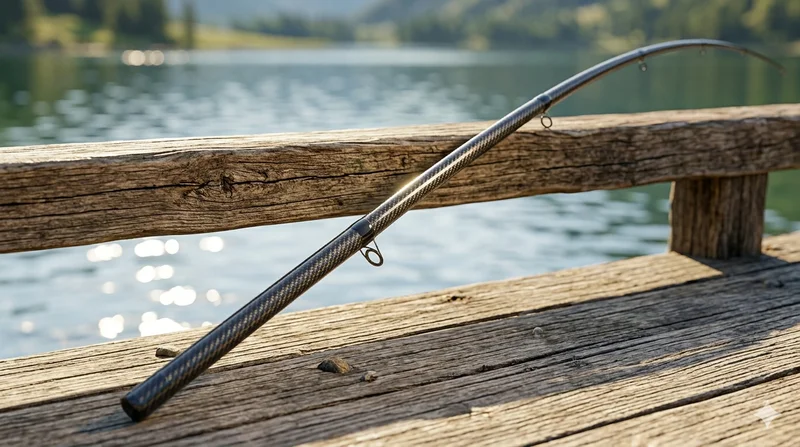
Carbon Fiber Fishing Rod Blank
High-quality carbon fiber fishing rod blank manufactured from multiple grades of Toray carbon fiber cloth. Available in a wide range of lengths, powers, and actions for freshwater and saltwater applications. Suitable for OEM rod building.

Carbon Fiber Plate — 3K Twill T700 3.0mm
Medium-thickness 3.0mm carbon fiber plate offering significantly higher load capacity while maintaining attractive 3K twill finish. Suitable for structural brackets, reinforcement plates, and load-bearing panels.

Carbon Fiber Plate — 3K Twill T700 1.5mm
Thin 1.5mm carbon fiber plate with 3K twill weave surface. Lightweight and stiff, commonly used for covers, panels, drone bodies, and applications requiring a premium aesthetic appearance.

Carbon Fiber Trekking Pole
Lightweight carbon fiber trekking pole manufactured from high-grade carbon fiber tube. Weighs only 160g per pole while providing superior shock absorption and durability for hiking, trail running, and backpacking.

Square Carbon Fiber Tube — 3K Twill T700
Square cross-section carbon fiber tube manufactured with 3K twill weave for torsional strength. Preferred for structural frames, trusses, and support columns where rectangular geometry offers design flexibility.