
Carbon fiber tube manufacturers in India sit at the center of a market that has grown rapidly with defense localization, wind energy expansion, and infrastructure modernization. India has no significant domestic production of carbon fiber tow, so virtually every tube maker imports fiber from Japan,
Introduction
Carbon fiber tube manufacturers in India sit at the center of a market that has grown rapidly with defense localization, wind energy expansion, and infrastructure modernization. India has no significant domestic production of carbon fiber tow, so virtually every tube maker imports fiber from Japan, China, or the United States and converts it into finished profiles locally. That structure shapes the entire market: buyers are not paying for raw material innovation, but for fabrication skill, process control, and the cost advantage of Indian labor and engineering.
For international buyers, the appeal is a combination of competent engineering, certification depth in defense and aerospace, and prices that undercut Western suppliers by a wide margin. For domestic buyers, the appeal is shorter lead times and local technical support. This article explains who the main manufacturers are, which process suits which application, what quality evidence to demand, and what realistic price levels look like.
The Indian Carbon Fiber Tube Manufacturing Landscape
India's composites industry is estimated at roughly USD 2.5 billion and has been growing at 8-10 percent per year, driven by wind energy, aerospace, defense, and construction. Carbon fiber tube production sits within this ecosystem as a specialized segment: relatively small in tonnage, but high in value because tubes serve structural applications where consistency matters. Manufacturing is concentrated in industrial belts around Pune, Mumbai, Gujarat, Bangalore, and Chennai, where aerospace and automotive supply chains already exist.
The market is split between two groups. The first is defense- and aerospace-qualified fabricators that produce filament-wound and roll-wrapped tube for aircraft, missiles, and satellite structures, often under offset programs with foreign primes. The second is commercial pultrusion and winding shops that supply wind energy spars, infrastructure rebar, automotive driveshafts, and industrial rollers. Both groups depend on imported tow, which means supply reliability and batch traceability are the real competitive differentiators.
Key Carbon Fiber Tube Manufacturers in India
No single list of carbon fiber tube manufacturers in India is authoritative, because most companies are private and capacity figures are not published. The recognizable names are composites groups that supply aerospace and defense — Kineco (Goa) and L&T Advanced Composites among the better-known — while a long tail of pultrusion and winding shops serves commercial applications. The practical approach is to categorize candidates by the process they run and the industry they are qualified for, rather than by brand recognition alone.
The table below summarizes the typical capability profile you will encounter when evaluating carbon fiber tube manufacturers in India:
| Manufacturer profile | Typical process | Main customers | Qualification level |
|---|---|---|---|
| Aerospace fabricator | Filament winding, roll wrapping | Defense, aircraft programs | NADCAP, DGAQA-approved |
| Wind energy supplier | Pultrusion, winding | Blade and tower OEMs | ISO 9001, blade OEM audits |
| Industrial pultruder | Pultrusion | Construction, rollers, masts | ISO 9001, project-specific testing |
| Distribution fabricator | Machining and assembly | Automotive, sports, general | Customer-defined acceptance |
Aerospace-qualified suppliers publish process capability and quality data; commercial shops usually quote against customer specifications. If your application is structural, ask the manufacturer for the same evidence either way: batch data sheets, retained samples, and inspection records.
Manufacturing Processes: Pultrusion, Roll Wrapping, and Filament Winding
Three processes dominate Indian tube production, and each fits a different load case:
- Pultrusion: Continuous profiles pulled through a heated die. The lowest cost per meter, ideal for long runs of constant cross-section — struts, cross arms, and construction profiles. Tolerances are good but the fiber architecture is fixed by the die.
- Roll wrapping: Prepreg or wet cloth rolled around a mandrel and cured. Higher strength and tighter tolerances than pultrusion, suited to aerospace brackets, drone arms, and precision joints in batches of tens to hundreds.
- Filament winding: Tow wound at controlled angles around a rotating mandrel. The highest hoop strength, used for drive shafts, pressure vessels, masts, and rocket motor cases where circumferential loading dominates.
Each process demands different equipment and quality control. Filament winding lines are the most capital-intensive and are usually found in aerospace-qualified facilities; pultrusion lines are more common in commercial shops. When you request a quote, state the process you expect — a manufacturer that runs only pultrusion will not tell you it cannot meet a high-strength winding requirement unless you ask.
Quality, Certification, and Testing
Quality evidence is where carbon fiber tube manufacturers in India vary most. At the top end, aerospace suppliers operate under NADCAP and defense quality systems with full batch traceability, and they are audited by agencies such as DGAQA. Mid-tier suppliers typically hold ISO 9001 and test mechanical properties on a per-batch basis. Small commercial shops may rely on incoming material certificates from their tow supplier and perform only visual inspection.
Whatever tier you choose, insist on three things: a batch data sheet stating fiber grade, resin system, and tested tensile and flexural properties; retained samples for lot traceability; and a written tolerance statement for diameter, wall, and straightness. These three documents let you compare quotes from different manufacturers on equal terms and protect you if a field failure ever occurs.
Carbon Fiber Tube Price in India
Carbon fiber tube price in India is driven by imported tow cost, process, and volume. As a rough 2026 benchmark, pultruded T300 tube in standard diameters sells in the range of USD 2-6 per meter for volume orders, while roll-wrapped T700 tube with certified data typically runs USD 8-20 per meter depending on diameter and tolerance. Filament-wound tube for driveshafts and pressure parts commands a further premium because of the winding equipment and testing involved.
Two factors make Indian pricing attractive. First, labor and overhead are lower than in Japan, Europe, or North America, which shows up mainly in machining, finishing, and small-batch work. Second, the engineering cost for custom tooling and prototypes is modest. The offsetting risk is import logistics: tow and resin are bought in foreign currency, so landed cost fluctuates with exchange rates. Ask for a landed-cost breakdown — material, processing, tooling, and freight — so you can compare Indian quotes against suppliers in your own region.
How to Choose and Work With an Indian Manufacturer
Start with the application and the load case, then match the process. Define the diameter, wall, length, quantity, fiber grade, and tolerance in a written specification, and ask each candidate for a process recommendation with the reasoning attached. When you shortlist, remember that carbon fiber tube suppliers India range from aerospace-qualified fabricators to commercial pultruders, so match the supplier's qualification to your industry as well as to the process. Request a sample batch before committing to volume, and agree on the acceptance test method — typically tensile, flexural, and dimensional checks on a stated sample rate. Finally, confirm the export paperwork: most Indian composites suppliers ship internationally and are familiar with Incoterms, customs documentation, and packaging for fragile tube profiles.
Frequently Asked Questions
Are carbon fiber tube manufacturers in India competitive on price?
Generally yes for fabricated and machined tube, where Indian labor and engineering costs undercut Western suppliers significantly. Raw material price is the same worldwide because tow is imported, so the advantage appears in processing, finishing, tooling, and small-batch work rather than in the base material. Compare landed cost — including freight and duty — rather than unit price alone.
Which process should I specify for a structural tube from India?
Match the process to the load case. Pultrusion suits constant cross-section struts and profiles at the lowest cost; roll wrapping suits precision, high-strength tube in moderate batch sizes; filament winding suits drive shafts, pressure parts, and masts where hoop strength dominates. State the process in your specification and ask the manufacturer to confirm capability before quoting.
How do I verify quality from a small Indian manufacturer?
Demand a batch data sheet with fiber grade, resin system, and tested mechanical properties; retained samples for traceability; and a written tolerance statement for diameter, wall, and straightness. For structural applications, request third-party testing or a pre-production sample batch and agree on the acceptance test method in writing.
How long does it take to get carbon fiber tube from India?
Standard pultruded profiles are typically 2-4 weeks from order to shipment; roll-wrapped and filament-wound tube runs 4-8 weeks including tooling if the diameter is custom. Add 1-3 weeks for sea freight depending on destination. Prototype samples are usually available faster than production runs.
Conclusion
Carbon fiber tube manufacturers in India combine imported raw material with local fabrication skill, defense and aerospace qualification, and a substantial cost advantage in processing. The right choice depends on matching the process — pultrusion, roll wrapping, or filament winding — to your load case, and on demanding the same quality evidence you would require from any supplier: batch data, retained samples, and written tolerances.
YongXian works with qualified carbon fiber tube manufacturers and offers its own pultruded, roll-wrapped, and filament-wound tube with batch data sheets and worldwide shipping. Browse our carbon fiber tube range or send us your specification for a quotation with documented mechanical data.
Part of topic
Related Articles
- Carbon Fibre Rods Near Me: Complete Guide
- Carbon Fiber Rods Near Me: Complete Guide
- Carbon Fiber Rod Manufacturer: Complete Guide
- Carbon Fiber Tube Price: Complete Guide
- Carbon Fiber Manufacturers in the World: Capacity, Technology, and Market Leaders
- Carbon Fiber Cloth Supplier Philippines: Sourcing Fabric for Marine, Automotive, and Construction
Interested in Our Products?
Contact our team for competitive pricing and technical specifications.
Get a QuoteRelated Products
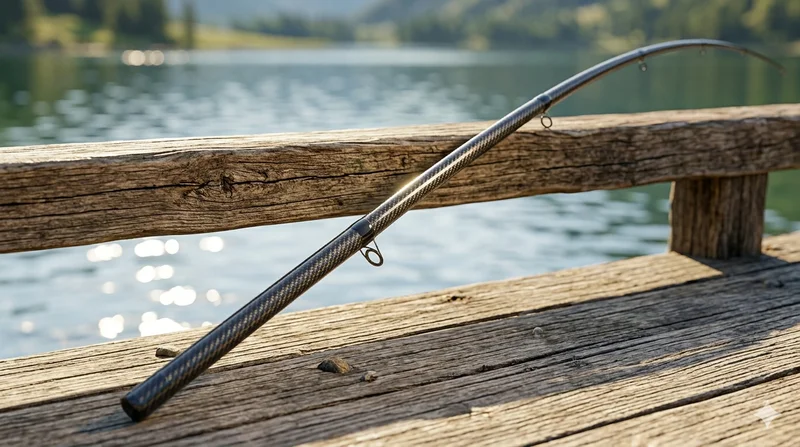
Carbon Fiber Fishing Rod Blank
High-quality carbon fiber fishing rod blank manufactured from multiple grades of Toray carbon fiber cloth. Available in a wide range of lengths, powers, and actions for freshwater and saltwater applications. Suitable for OEM rod building.

Carbon Fiber Plate — 3K Twill T700 3.0mm
Medium-thickness 3.0mm carbon fiber plate offering significantly higher load capacity while maintaining attractive 3K twill finish. Suitable for structural brackets, reinforcement plates, and load-bearing panels.

Carbon Fiber Plate — 3K Twill T700 1.5mm
Thin 1.5mm carbon fiber plate with 3K twill weave surface. Lightweight and stiff, commonly used for covers, panels, drone bodies, and applications requiring a premium aesthetic appearance.
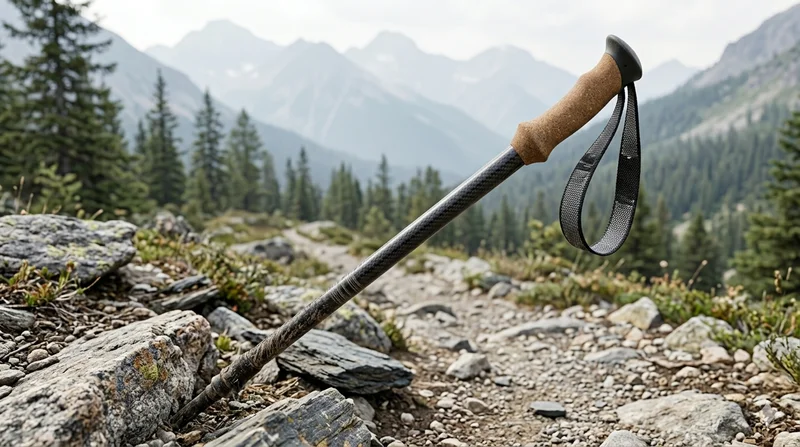
Carbon Fiber Trekking Pole
Lightweight carbon fiber trekking pole manufactured from high-grade carbon fiber tube. Weighs only 160g per pole while providing superior shock absorption and durability for hiking, trail running, and backpacking.

Square Carbon Fiber Tube — 3K Twill T700
Square cross-section carbon fiber tube manufactured with 3K twill weave for torsional strength. Preferred for structural frames, trusses, and support columns where rectangular geometry offers design flexibility.