
The term carbon fiber sheet manufacturer in India covers three very different businesses, and the difference matters far more than the label. A true manufacturer converts raw fiber or fabric into laminated sheet, curing it in a press or oven and testing the output. A fabricator starts from imported
Introduction
The term carbon fiber sheet manufacturer in India covers three very different businesses, and the difference matters far more than the label. A true manufacturer converts raw fiber or fabric into laminated sheet, curing it in a press or oven and testing the output. A fabricator starts from imported sheet or prepreg and cuts, bonds, or machines it into finished parts. An importer buys finished sheet abroad and resells it locally. All three may call themselves manufacturers, and for a structural application the distinction is the difference between traceable material and a relabeled import.
This guide explains how the Indian carbon fiber sheet manufacturing landscape is structured, what certifications distinguish serious producers, and how to qualify a supplier in writing before you commit an order.
Who Actually Manufactures Carbon Fiber Sheet in India
India's domestic carbon fiber sheet manufacturing is built on imported raw material. Indian PAN-based carbon fiber production remains limited and small in tonnage, so Indian sheet manufacturers typically import carbon fiber fabric or prepreg — mostly from China, Japan, or Taiwan — and then laminate, cure, and finish the sheet locally. That makes them true sheet manufacturers, but with a supply chain that depends on imported fiber and resin. The table below maps the supplier types a buyer will actually encounter:
| Supplier type | What they do in-house | Traceability | Typical customers |
|---|---|---|---|
| Sheet manufacturer (lamination and curing) | Layup, pressing, curing, cutting, testing | Batch records, datasheets | Structural parts, production runs |
| Composite fabricator | Cutting, bonding, machining, assembly | Partial, depends on source | OEM parts, prototypes |
| Importer/distributor | Stockholding, cutting to size, resale | Mill certificates on request | Prototypes, small orders, hobby |
| Online-first seller | Re-packaging, cut-to-size | Variable | Hobbyists, drone builders |
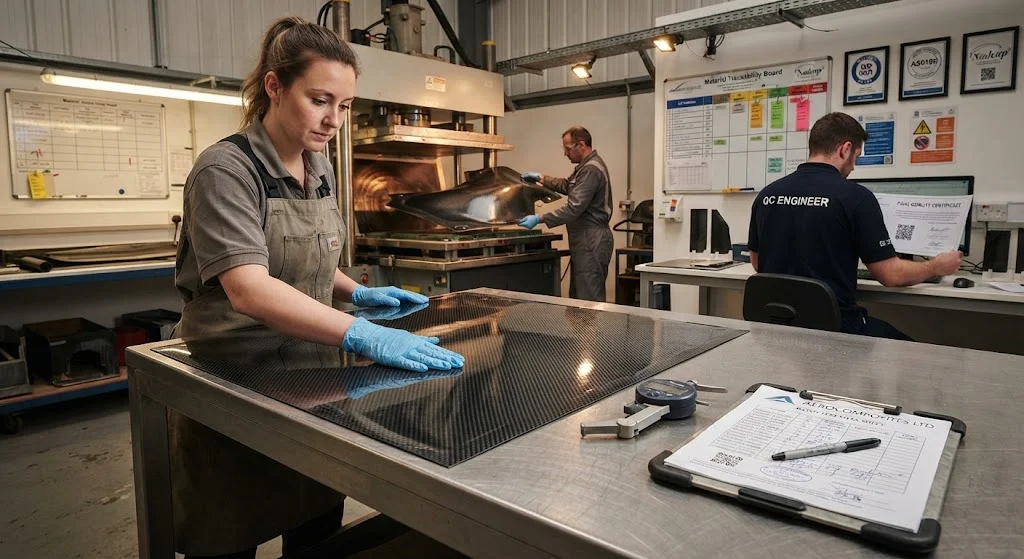
For structural work — drone arms, brackets, load-bearing panels — the first row is what you want. A genuine manufacturer can show you the press or oven, name the fiber grade and resin system in writing, and provide batch-level test data. The others can supply a sheet that looks identical but cannot prove what is inside the laminate.
Carbon Fiber Sheet Manufacturer In India: Key Capabilities to Check
Qualifying a carbon fiber sheet manufacturer in India means verifying specific capabilities rather than reading marketing pages. The checklist below covers the process steps that determine whether a supplier can hold thickness, flatness, and mechanical properties batch after batch:
- Layup and pressing: Does the manufacturer control ply orientation and fiber volume? Ask how flatness and thickness tolerance are maintained across a production batch.
- Curing: Press-cured and oven-cured sheets differ in void content and consistency. A manufacturer should state the curing method and the process window for the resin system used.
- In-house testing: Tensile, flexural, and density data generated on the supplier's own batch samples are far more valuable than copied datasheets from the fiber maker.
- Cutting capability: Waterjet or CNC routing for finished edges matters when the sheet goes into a load path rather than a cosmetic trim piece.
- Documentation: Batch records, material certificates, and a stated resin and fiber grade for every delivery.
- Minimum order and lead time: Indian manufacturers typically run 2-4 week lead times for laminated sheet and expect repeat-order relationships rather than one-off purchases.
A supplier that cannot answer these questions in writing may still be fine for decorative work. For structural parts, missing answers are disqualifying — the sheet is the load path, and an undocumented laminate is an uncontrolled risk.
Certifications and Quality Systems in the Indian Market
Certification in the Indian carbon fiber sheet market follows a clear hierarchy. ISO 9001 quality management is the baseline and most established manufacturers hold it. Suppliers serving aerospace or defense customers hold AS9100, the aerospace-specific extension, and may hold Nadcap accreditation for specific processes such as non-destructive testing. For medical or regulated applications, suppliers add process validation and documentation packages that go beyond the standard quality manual. The table below summarizes what each certification actually signals:
| Certification | What it signals | Relevant when |
|---|---|---|
| ISO 9001 | Documented quality system, process control | Baseline for any structural supplier |
| AS9100 | Aerospace-grade quality management | Aviation, defense, satellite work |
| Nadcap | Process-specific accreditation (testing, NDT) | Aerospace programs with audit requirements |
| Customer qualification audits | Your own supplier audit of the facility | Production-critical structural parts |
Do not stop at certificates. A certificate proves the quality system exists; it does not prove this batch of sheet meets your thickness and mechanical specification. The practical qualification is a combination of the certificate, a written specification, and test data on the actual material delivered — ideally verified by an independent lab on the first production order.
Domestic Manufacturing vs Import: What It Means for You
Choosing a domestic carbon fiber sheet manufacturer in India versus importing directly is a supply-chain decision, not just a price comparison. Domestic manufacturing adds local lamination and testing to imported fiber, which means shorter lead times, rupee pricing, easier communication, and support when a sheet fails. Direct import from China or Taiwan offers the lowest material cost but adds freight, minimum order quantities, customs clearance, and a longer problem-solving loop if the material does not perform.
For most structural buyers the practical pattern is: domestic manufacturer for prototypes, small batches, and anything with a tight schedule; direct import for volume production where the cost gap justifies the logistics overhead. Indian manufacturers who laminate locally can also source fiber from multiple origins, which gives them flexibility on price and supply that a single-source importer cannot match.
The domestic landscape is evolving. As drone programs, medical imaging tables, and defense prototyping grow, more Indian suppliers are moving from trading imported rolls to investing in lamination and testing equipment — the market now rewards manufacturers who can document what they produce, not traders who relabel what they buy.
How to Qualify a Carbon Fiber Sheet Manufacturer In India
Qualification is a written process, not a conversation. Start with a request for information asking for the certification, the manufacturing process, the fiber grade and resin system, and batch test data. Then request samples: order a small sheet first, measure thickness and flatness on arrival, and if the part is load-bearing, send a coupon to an independent lab for tensile and flexural testing. Finally, audit the facility in person or by video — a genuine manufacturer is happy to show the press, the oven, the test equipment, and the batch records.
Compare quotes on identical specifications. For buyers searching for a carbon fiber sheet manufacturer in india near me, the same written process applies whether the facility sits in Mumbai, Bengaluru, or your own city — distance never replaces documentation. A domestic quote that includes certification and batch testing may look higher than an import price, but the difference is traceability and support. For structural parts, the cost of an undocumented laminate shows up in scrapped parts and failed field performance, not in the invoice line. Pay for the documentation, or do not buy the sheet.
Frequently Asked Questions
Is there a real carbon fiber sheet manufacturer in India?
Yes, but most Indian suppliers are importers or fabricators rather than true manufacturers. Genuine Indian sheet manufacturers import carbon fiber fabric or prepreg and laminate, cure, and test the sheet locally. To confirm you are dealing with a manufacturer rather than a trader, ask for the facility tour, the curing method, and batch-level test data — these are things only a real producer can provide.
What certifications should a carbon fiber sheet manufacturer in India hold?
ISO 9001 is the baseline for any serious structural supplier. Suppliers serving aerospace or defense customers should hold AS9100, and may hold Nadcap accreditation for specific processes. For regulated applications, request the customer audit documentation package as well. Certificates prove the quality system exists; batch test data on the actual material proves the sheet is good.
Is it cheaper to buy from an Indian manufacturer or import directly?
For prototypes and small batches, a domestic manufacturer is usually competitive once freight, minimum order quantities, and customs clearance are added to an import. For volume production, direct import from China or Taiwan typically runs 30-50 percent lower on material cost. Many structural buyers use both: a domestic manufacturer for speed and support, direct import for volume.
How do I verify the quality of carbon fiber sheet from an Indian supplier?
Ask for the certification, the fiber grade and resin system in writing, and batch-level test data. Order a small sample first and measure thickness and flatness on arrival. For load-bearing parts, send a coupon to an independent lab for tensile and flexural testing before committing to a production order. A genuine manufacturer can provide all of this; a trader cannot.
Conclusion
A carbon fiber sheet manufacturer in India is not the same as an importer or fabricator, and the difference decides whether your sheet is traceable or a relabeled import. Qualify suppliers in writing: check ISO 9001 or AS9100, verify the lamination and curing process, demand batch test data, and validate the first batch with independent testing. Domestic manufacturing makes sense for speed and support; direct import wins on volume price. Most structural buyers run both.
YongXian manufactures carbon fiber sheets with controlled lamination, full batch traceability, and datasheets for every delivery — with worldwide shipping including India. Browse our carbon fiber sheet range or contact our technical team to discuss your specification and qualification requirements.
Part of topic
Related Articles
Interested in Our Products?
Contact our team for competitive pricing and technical specifications.
Get a QuoteRelated Products
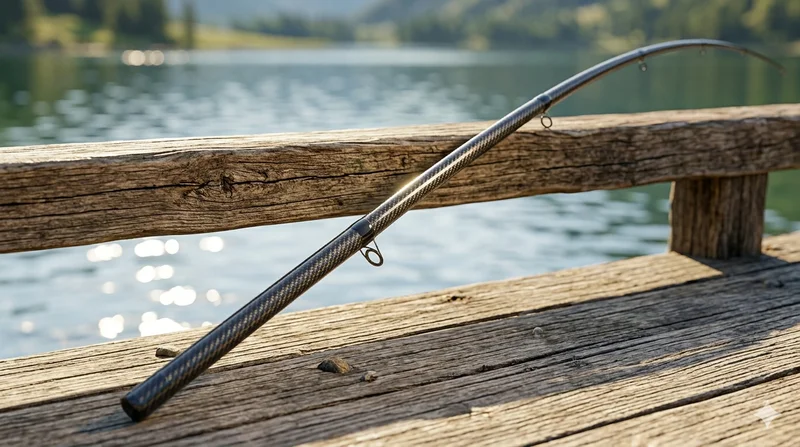
Carbon Fiber Fishing Rod Blank
High-quality carbon fiber fishing rod blank manufactured from multiple grades of Toray carbon fiber cloth. Available in a wide range of lengths, powers, and actions for freshwater and saltwater applications. Suitable for OEM rod building.

Carbon Fiber Plate — 3K Twill T700 3.0mm
Medium-thickness 3.0mm carbon fiber plate offering significantly higher load capacity while maintaining attractive 3K twill finish. Suitable for structural brackets, reinforcement plates, and load-bearing panels.

Carbon Fiber Plate — 3K Twill T700 1.5mm
Thin 1.5mm carbon fiber plate with 3K twill weave surface. Lightweight and stiff, commonly used for covers, panels, drone bodies, and applications requiring a premium aesthetic appearance.
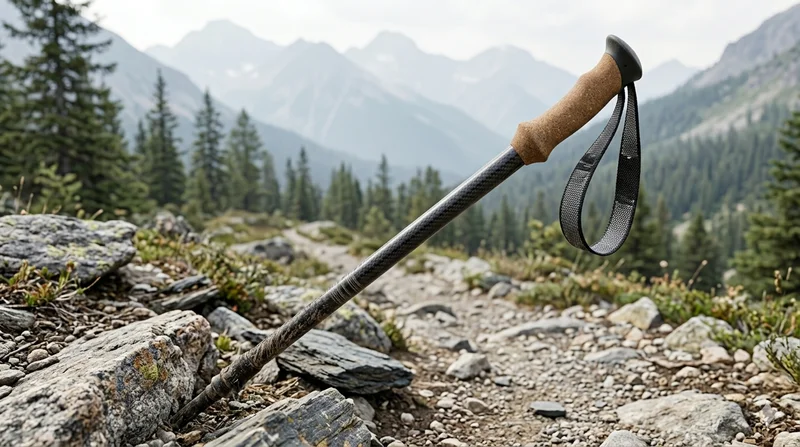
Carbon Fiber Trekking Pole
Lightweight carbon fiber trekking pole manufactured from high-grade carbon fiber tube. Weighs only 160g per pole while providing superior shock absorption and durability for hiking, trail running, and backpacking.

Square Carbon Fiber Tube — 3K Twill T700
Square cross-section carbon fiber tube manufactured with 3K twill weave for torsional strength. Preferred for structural frames, trusses, and support columns where rectangular geometry offers design flexibility.