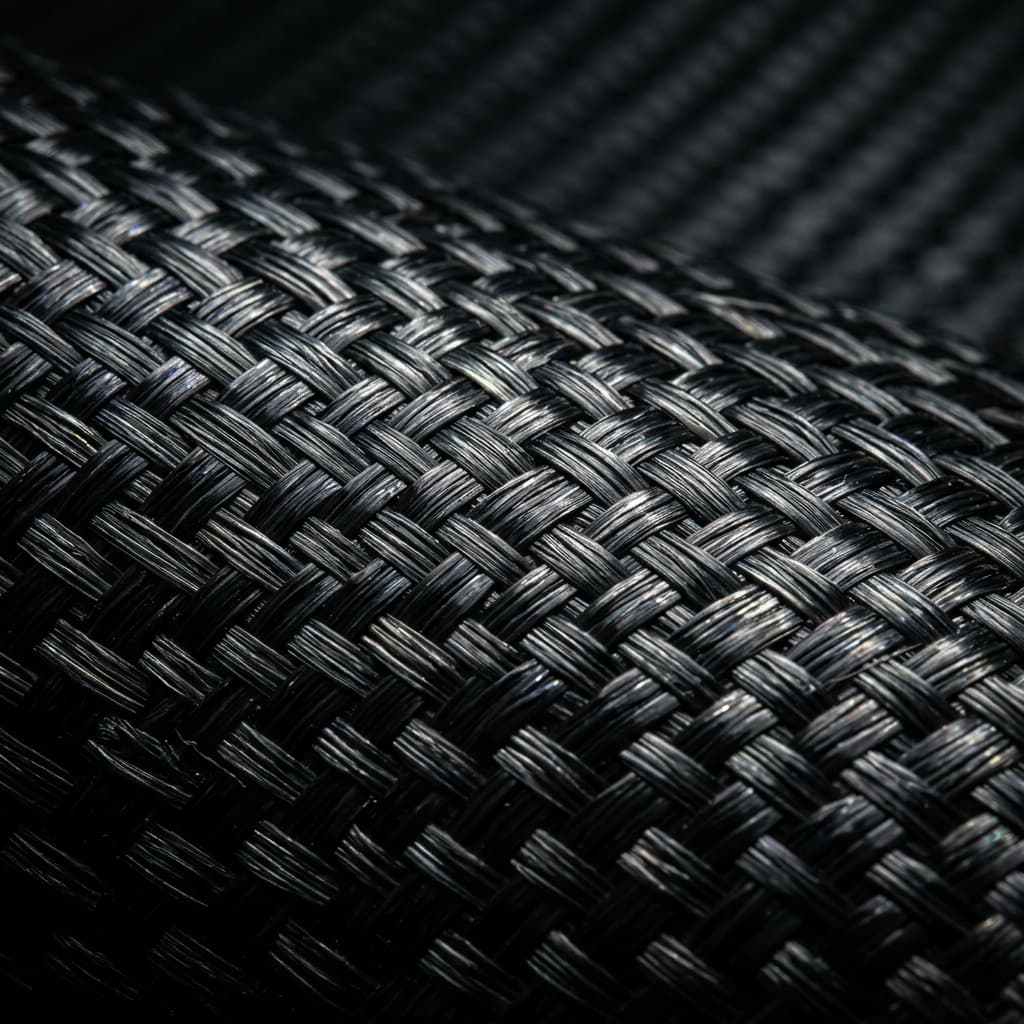
A carbon fiber cloth supplier Philippines serves one of Southeast Asia's most active composite markets, built on shipbuilding, automotive repair, marine repair, and a fast-growing surf and drone scene. The Philippines produces no carbon fiber tow, so every supplier operates as an importer and distri
Introduction
A carbon fiber cloth supplier Philippines serves one of Southeast Asia's most active composite markets, built on shipbuilding, automotive repair, marine repair, and a fast-growing surf and drone scene. The Philippines produces no carbon fiber tow, so every supplier operates as an importer and distributor, sourcing rolls from China, Taiwan, Japan, and the United States and reselling to workshops, boatyards, and manufacturers around Manila, Cebu, and Davao. That makes supplier selection primarily a question of stock breadth, logistics speed, and technical support rather than manufacturing capability.
For buyers, the practical questions are simple: what weave and weight should you use, how fast can you get it, what will import duty and delivery add to the price, and which supplier can answer technical questions competently. This guide covers all four, so you can source carbon fiber cloth in the Philippines with confidence.
The Philippines Carbon Fiber Market Landscape
The Philippines has a long maritime tradition and a growing boatbuilding industry — from small bangka outriggers and fishing boats to repair and refit work in shipyards around Batangas and Cebu. Carbon fiber cloth enters this market through three routes. The largest is boat and marine repair, where woven cloth and epoxy are used for hull reinforcement and structural repairs. The second is automotive: performance shops and repair workshops use cloth for body panels, interior trims, and structural repair. The third is industrial and hobbyist use — fishing rods, surfboards, drone arms, and small manufacturing runs.
Because volumes per customer are small, most Philippine suppliers are distributors rather than large mills. They hold standard weaves in stock, cut to order, and sell compatible epoxy, hardener, and vacuum bagging materials. This distribution model is convenient for small and medium users, but it means the supplier's catalog quality — and its access to reliable overseas mills — is the main thing you are actually buying. It also makes a Philippine supplier a practical option for buyers in the United States and Australia who need short-run or regional quantities without managing direct mill imports.
What Carbon Fiber Cloth Suppliers in the Philippines Stock
Most carbon fiber cloth supplier Philippines operations carry the same core range, because the market demands standard products above all:
- 3K plain weave, 200 gsm: The universal standard for cosmetic parts, interior panels, and general laminating. Balanced drape and a fine, uniform surface.
- 3K 2x2 twill, 200-240 gsm: The most popular for visible automotive and marine parts because the twill pattern drapes over curves and hides minor surface defects.
- Unidirectional cloth, 150-300 gsm: For structural laminates where strength is needed in one direction — spars, stiffeners, and repairs.
- 12K and 24K woven cloth: Heavier, cheaper fabric for large-area laminating and tooling where surface finish matters less.
- Carbon-aramid and carbon-glass hybrids: For impact and abrasion resistance in marine and protective applications.
Beyond cloth, reliable suppliers carry the matching consumables — epoxy resin, hardener, peel ply, release film, breather, and vacuum bagging film — because a laminating job fails on the resin system as often as on the fabric.
Cloth Types and Specifications
Choosing the right cloth starts with the load case and the surface requirement. The table below compares the specifications you will encounter most often from a carbon fiber cloth supplier Philippines:
| Product | Weave | Areal weight | Typical use | Approx. price per meter |
|---|---|---|---|---|
| 3K carbon cloth | Plain | 200 gsm | Cosmetic panels, general laminating | USD 8-14 |
| 3K carbon cloth | 2x2 twill | 240 gsm | Visible automotive and marine parts | USD 10-18 |
| Unidirectional | UD tape | 150-300 gsm | Structural reinforcement, spars | USD 12-20 |
| 12K woven | Plain / twill | 400-600 gsm | Tooling, large-area laminating | USD 7-12 |
Prices are indicative 2026 import-based levels and move with tow cost and exchange rates. Two details matter more than the headline number: the fiber grade (T300 cloth is standard; T700 costs more but offers higher strength) and the finish (sized cloth wets out cleanly, unsized cloth needs careful handling). Ask your supplier to state both on the invoice.
Sourcing, Lead Times, and Import Considerations
Buyers searching for a carbon fiber cloth supplier Philippines near me usually find that local stockists in Metro Manila hold popular weaves with delivery within days. For standard 3K products this is often the fastest and cheapest option once import duty and logistics are counted. For custom weaves, unidirectional material, or large volumes, it is usually more economical to import directly from China or Taiwan, where lead times to Manila are typically 7-14 days by sea and 3-5 days by air freight.
Import costs shape the comparison. Philippine customs applies import duty on carbon fiber products (typically single-digit percentage rates) plus a 12 percent value-added tax on the landed value, and freight and handling add further cost. A local supplier absorbs these costs in the shelf price, so the real question is whether their markup beats your own import logistics — which it usually does for small and medium orders. For production volumes, ask the supplier whether they can negotiate mill-direct pricing on your behalf. Customs clearance and documentation are part of the practical equation too. A good supplier handles the import paperwork, keeps certificates of origin for duty assessment, and issues an invoice that describes the product accurately for customs. Ask how they ship samples by courier, what documentation accompanies production orders, and whether they can provide a certificate of origin or material data sheet on request. These small details determine whether your order clears customs in days or weeks, and they separate professional distributors from casual resellers.
How to Choose a Carbon Fiber Cloth Supplier in the Philippines
Qualify candidates on five points. First, stock: does the supplier hold the weave, weight, and width you need, or will they order it in? Second, resin compatibility: do they sell matched epoxy systems with a published mix ratio and pot life? Third, data: can they provide the mill's technical data sheet and lot traceability? Fourth, delivery: how fast can you get material to your workshop, and what is the real total cost including delivery? Fifth, support: can they answer layup questions, or are they purely a reseller? A supplier that stocks, advises, and documents will save you far more than the small price difference on a roll of cloth.
Frequently Asked Questions
Do I need to import carbon fiber cloth myself, or can I buy locally in the Philippines?
For standard weaves in small and medium quantities, buying from a local carbon fiber cloth supplier Philippines is usually faster and cheaper once import duty, VAT, and freight are counted. Direct import from China or Taiwan only wins for large volumes, custom weaves, or when you already manage your own logistics. Compare landed cost both ways before deciding.
Which carbon fiber cloth should I use for boat repair in the Philippines?
For marine structural repair, use 200-300 gsm cloth — plain or twill — with a marine-grade epoxy system, and match the weave to the surface you are covering. Unidirectional cloth adds stiffness along a repair edge, and a final 200 gsm twill layer improves the finish. Saltwater exposure means the resin system and surface protection matter more than the cloth brand.
How much does carbon fiber cloth cost in the Philippines?
As a 2026 benchmark, a local supplier typically sells 3K 200 gsm plain weave cloth for roughly PHP 500-900 per meter at standard 1-meter widths, with twill and unidirectional products slightly higher. Prices vary with fiber grade, exchange rates, and supplier markup, so request a current quotation with the fiber grade stated.
Can a Philippine supplier provide carbon fiber cloth for production manufacturing?
Yes, for production volumes a distributor can negotiate mill-direct pricing and fixed lead times, but confirm minimum order quantities, batch documentation, and delivery terms in writing. For very large or custom requirements, combine a local supplier for samples and small runs with direct mill import for production.
Conclusion
A reliable carbon fiber cloth supplier Philippines combines imported stock with local logistics and technical support, and the right choice depends on matching weave, weight, and fiber grade to your application. Qualify candidates on stock depth, resin compatibility, data documentation, delivery speed, and support — the standard products are similar across suppliers, so service is the differentiator.
YongXian supplies carbon fiber cloth worldwide, including 3K plain and twill weaves, unidirectional fabrics, and compatible epoxy systems with batch data sheets and reliable shipping to the Philippines. Browse our carbon fiber fabric range or contact us for a quotation with documented specifications.
Part of topic
Related Articles
- Carbon Fibre Rods Near Me: Complete Guide
- Carbon Fiber Rods Near Me: Complete Guide
- Carbon Fiber Rod Manufacturer: Complete Guide
- Carbon Fiber Tube Price: Complete Guide
- Carbon Fiber Manufacturers in the World: Capacity, Technology, and Market Leaders
- Carbon Fiber Tube Manufacturers in India: Pultrusion and Filament Winding Guide
Interested in Our Products?
Contact our team for competitive pricing and technical specifications.
Get a QuoteRelated Products
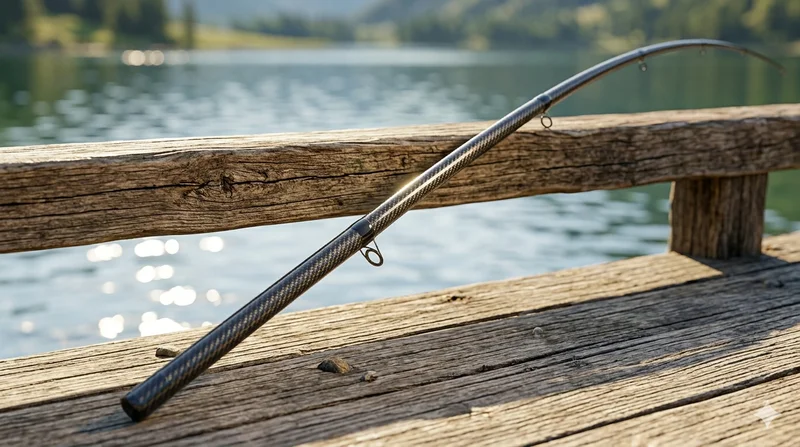
Carbon Fiber Fishing Rod Blank
High-quality carbon fiber fishing rod blank manufactured from multiple grades of Toray carbon fiber cloth. Available in a wide range of lengths, powers, and actions for freshwater and saltwater applications. Suitable for OEM rod building.
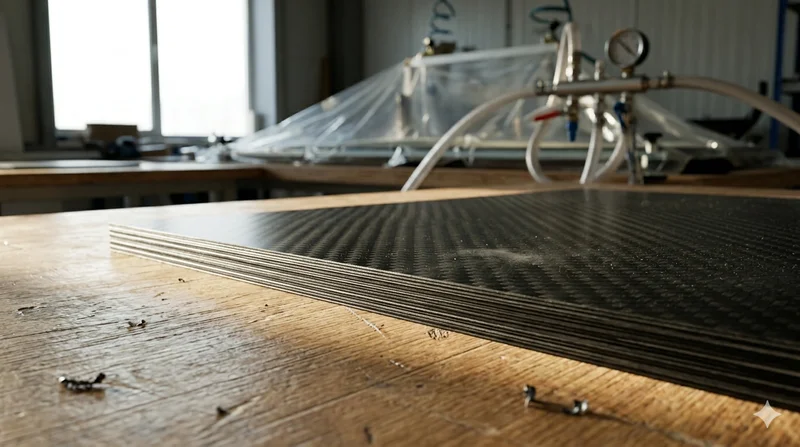
Carbon Fiber Plate — 3K Twill T700 3.0mm
Medium-thickness 3.0mm carbon fiber plate offering significantly higher load capacity while maintaining attractive 3K twill finish. Suitable for structural brackets, reinforcement plates, and load-bearing panels.
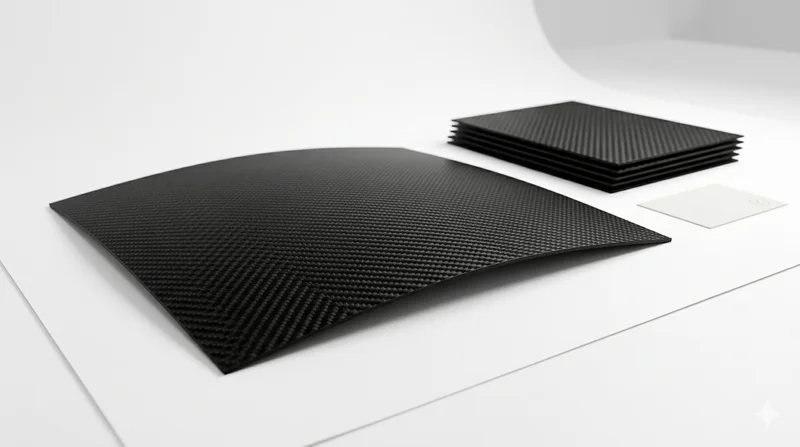
Carbon Fiber Plate — 3K Twill T700 1.5mm
Thin 1.5mm carbon fiber plate with 3K twill weave surface. Lightweight and stiff, commonly used for covers, panels, drone bodies, and applications requiring a premium aesthetic appearance.
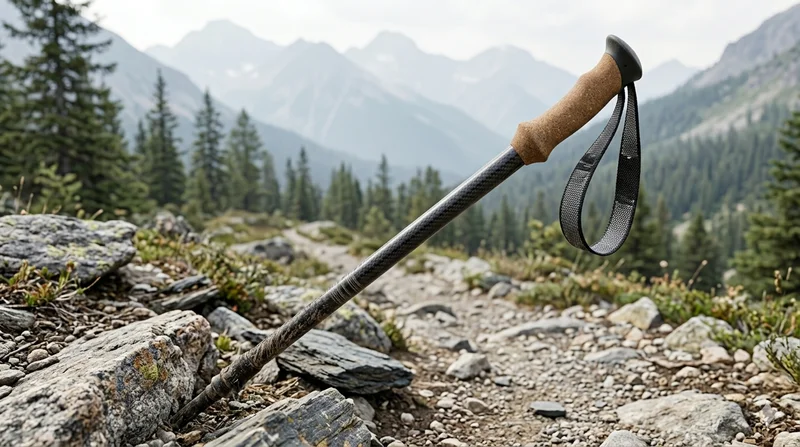
Carbon Fiber Trekking Pole
Lightweight carbon fiber trekking pole manufactured from high-grade carbon fiber tube. Weighs only 160g per pole while providing superior shock absorption and durability for hiking, trail running, and backpacking.
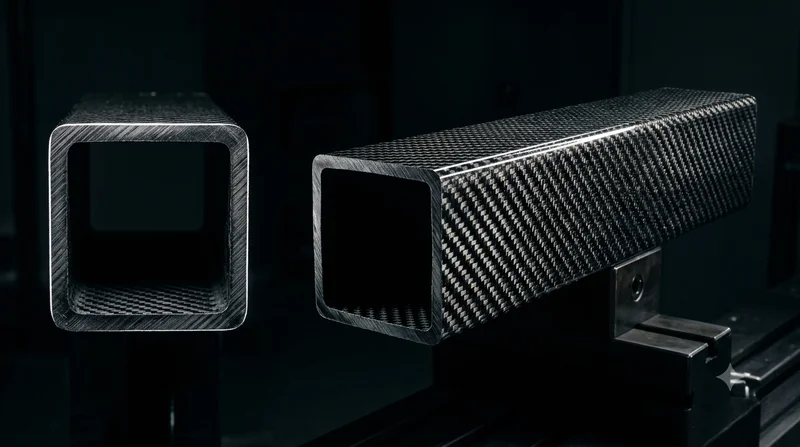
Square Carbon Fiber Tube — 3K Twill T700
Square cross-section carbon fiber tube manufactured with 3K twill weave for torsional strength. Preferred for structural frames, trusses, and support columns where rectangular geometry offers design flexibility.