
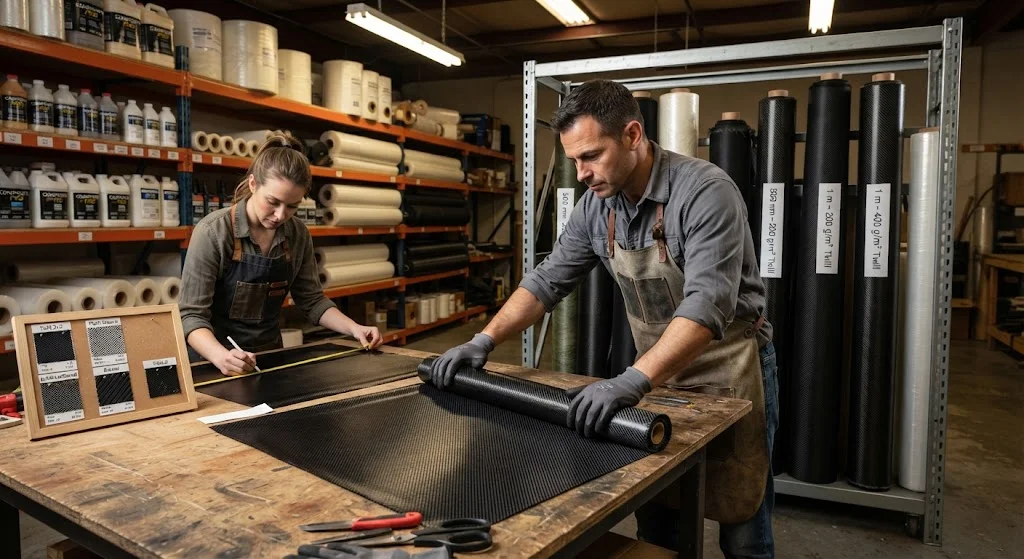
The search for carbon fiber cloth near me suppliers usually comes from a hands-on builder — someone laying up a part, repairing a composite component, or prototyping a new product — who needs fabric in hand quickly and wants to talk to a supplier who understands the material. Proximity helps, but it
Introduction
The search for carbon fiber cloth near me suppliers usually comes from a hands-on builder — someone laying up a part, repairing a composite component, or prototyping a new product — who needs fabric in hand quickly and wants to talk to a supplier who understands the material. Proximity helps, but it is not the whole story: carbon fiber cloth is sold by specification, and the difference between a good and a bad buy shows up in the areal weight, the weave consistency, and the fiber grade, not in the distance to the shop.
This guide explains the cloth types local suppliers typically stock, how to verify that a supplier's fabric matches its datasheet, when a nearby distributor is the right choice versus an online or overseas source, and what to expect for pricing and minimum orders.
Types of Carbon Fiber Cloth Local Suppliers Stock
Carbon fiber cloth comes in a handful of standard architectures, and most local suppliers carry the same core range. Knowing the difference lets you specify exactly what you need:
| Cloth type | Typical areal weight | Common uses | Relative price |
|---|---|---|---|
| 3K 2x2 twill | 200 g/m² | Cosmetic parts, panels, prototypes | Reference |
| 3K plain weave | 200 g/m² | Flat panels, repairs, tooling surfaces | Similar |
| 12K plain weave | 400-600 g/m² | Heavy layups, marine and industrial parts | 10-20 percent lower |
| Unidirectional (UD) | 200-300 g/m² | Structural spars, stiffeners, high-stiffness layups | 10-30 percent higher |
| Spread tow fabric | 80-160 g/m² | Thin cosmetic layers, smooth Class-A surfaces | 20-50 percent higher |
Three factors decide which cloth fits your job. The fiber grade — most woven cloth is T300 or T700 class — sets strength and stiffness, with T700 about 25 percent stronger at a modest price premium. The areal weight (grams per square meter) sets how many layers you need to reach a target thickness. And the weave sets cosmetics and drape: twill drapes well over curves and looks classic, plain weave is more stable for flat panels, and UD gives the best stiffness in one direction at the cost of handling difficulty.
How to Evaluate Carbon Fiber Cloth Suppliers Near You
Carbon fiber cloth is sold by specification, so a supplier's credibility shows in how precisely they can document their fabric. Use this checklist before buying:
- Datasheet on request: A real supplier can produce a datasheet stating fiber grade, areal weight, weave count, and tensile properties. If the response is "it's standard 3K," treat the claim with suspicion.
- Areal weight verification: Ask how they verify the 200 g/m² claim — whether from the mill certificate or by weighing samples. A 10 percent deviation in areal weight changes resin ratio and part weight more than most builders expect.
- Batch consistency: Fabric from a single loom run is uniform; mixed batches show up as color or sheen differences across rolls. Ask if they can supply rolls from one batch.
- Width and cut service: Local suppliers who stock full rolls and offer precision cutting let you buy exactly the meters you need instead of a whole roll.
- Resin compatibility advice: The cloth is half the laminate — a supplier who can recommend the matching epoxy, infusion resin, or prepreg system adds real value over a pure seller.
- Stock and lead time: Confirm what is actually in stock locally versus what would be ordered from a mill. "Near me" only helps if the fabric is physically on the shelf.
Ask for a small sample before a production order. A 10 × 10 cm swatch costs nothing and reveals weave tightness, fiber surface treatment, and whether the fabric is clean and consistently sized.
Ask about storage and handling before you take delivery. Carbon fiber cloth is stable at room temperature, but it should be stored flat or rolled on its core, away from direct sunlight and contamination, and handled with clean gloves so skin oils do not affect resin wet-out. A supplier that controls how fabric is stored and shipped — sealed rolls, no crushed cores, clear batch labels — protects the quality you paid for. Minor handling differences are invisible in a sample swatch but show up as wrinkles, fluffing, or contamination across a full roll. Confirm the roll length and width before cutting: a 50-meter roll that actually measures 47 meters is common enough that serious buyers verify with a simple measurement before paying.
Local Supplier vs. Online Distributor vs. Mill Direct
Each buying channel has a clear profile, and the right choice depends on your volume and speed needs:
| Channel | Advantages | Trade-offs |
|---|---|---|
| Local supplier (near me) | Immediate pickup, in-person advice, cut-to-length service, no shipping damage | Higher price per meter, limited to stocked weaves and grades |
| Online distributor | Wide range, competitive prices, fast shipping for stock items | No hands-on inspection, shipping cost and time, return friction |
| Mill direct (often overseas) | Lowest unit cost, custom weaves and widths, bulk discounts | Long lead time, minimum order quantities, quality control is your responsibility |
For a first project or a tight deadline, a local supplier who stocks the exact weave you need is usually the best value despite the price premium — the fabric is in your hand today and you can verify quality before paying. For ongoing production, a hybrid approach works best: local stock for urgent orders and samples, mill-direct bulk orders for the volumes you use every month.
Typical Prices and Minimum Orders for Carbon Fiber Cloth
Carbon fiber cloth pricing follows the grade and areal weight, with clear retail and bulk bands:
| Purchase mode | Typical price (3K 200 g/m², 1 m width) | Minimum order |
|---|---|---|
| Retail per meter (local) | $25-45 per meter | 1 meter |
| Half roll (25 m) | $18-30 per meter | 25 meters |
| Full roll (50-100 m) | $14-24 per meter | 1 roll |
| Mill direct bulk | $8-15 per meter | 5-10 rolls |
Twelve-K cloth and heavier weaves sit 10-20 percent below these figures; spread tow and aerospace-grade cloth sit 20-50 percent above. Most local suppliers will cut to length without a minimum above 1 meter, while mill-direct orders typically start at several rolls and require a letter of credit or pro-forma payment terms for new customers.
Frequently Asked Questions
What is the difference between 3K and 12K carbon fiber cloth?
The K number is the filament count per tow: 3K bundles contain 3,000 filaments and 12K bundles contain 12,000. For the same areal weight, 3K fabric has a finer, denser weave pattern that looks more refined and drapes better over tight curves, while 12K fabric has a coarser texture, is cheaper per square meter, and lays up faster for thick parts. Both can use the same fiber grade; the choice is driven by cosmetics, drape, and cost.
How much carbon fiber cloth do I need for a part?
Work from areal weight: a 200 g/m² fabric needs five layers for a laminate of roughly 1.3-1.5 mm thickness at a typical 50-60 percent fiber volume fraction. Multiply the part's surface area by the layer count and add 10-15 percent for trim waste and overlaps. A quick example: a 0.5 m² panel at five layers needs about 2.5-2.9 m² of cloth, or roughly 3 meters of 1 m wide fabric.
Is local carbon fiber cloth more expensive than buying online?
Usually yes — local retail runs $25-45 per meter for 3K 200 g/m² fabric versus $15-25 from an online distributor for the same spec, because local suppliers carry smaller inventory and provide advice and cut-to-length service. The premium buys same-day pickup, no shipping damage, and the ability to inspect the fabric before you pay. For a single project the premium is small; for monthly production it justifies moving to roll or mill-direct purchasing.
Can carbon fiber cloth suppliers provide matching resin?
Many do. Composite suppliers typically also carry epoxy laminating resin, infusion resin, and consumables like peel ply, breather, and vacuum bags. Buying the cloth and resin from one supplier simplifies compatibility: the resin system must wet out the specific weave within its working time, and a supplier who knows both products can recommend the right pair for your cure temperature and part size.
Conclusion
Finding carbon fiber cloth near me suppliers is straightforward once you know what to check: confirm the fiber grade and areal weight against a datasheet, verify batch consistency, and buy cut-to-length from a supplier who stocks the actual weave you need. Local suppliers cost more per meter but deliver speed, advice, and inspectable quality; online and mill-direct channels win on price for volume and ongoing production.
YongXian supplies carbon fiber cloth in twill, plain, unidirectional, and spread tow constructions, with cut-to-length service and matching resin systems. Browse our carbon fiber fabric range or contact our technical team for cloth specifications and supply options for your project.
Part of topic
Related Articles
Interested in Our Products?
Contact our team for competitive pricing and technical specifications.
Get a QuoteRelated Products
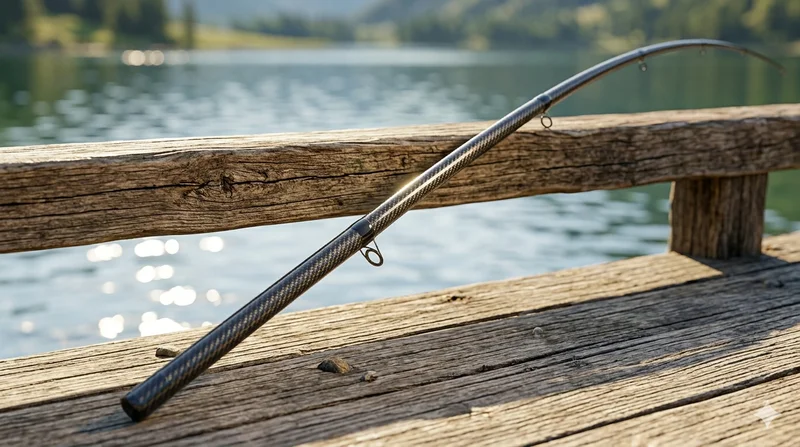
Carbon Fiber Fishing Rod Blank
High-quality carbon fiber fishing rod blank manufactured from multiple grades of Toray carbon fiber cloth. Available in a wide range of lengths, powers, and actions for freshwater and saltwater applications. Suitable for OEM rod building.
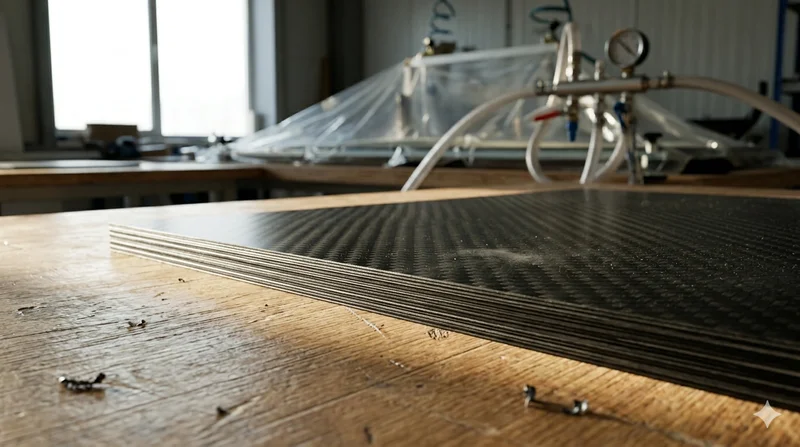
Carbon Fiber Plate — 3K Twill T700 3.0mm
Medium-thickness 3.0mm carbon fiber plate offering significantly higher load capacity while maintaining attractive 3K twill finish. Suitable for structural brackets, reinforcement plates, and load-bearing panels.

Carbon Fiber Plate — 3K Twill T700 1.5mm
Thin 1.5mm carbon fiber plate with 3K twill weave surface. Lightweight and stiff, commonly used for covers, panels, drone bodies, and applications requiring a premium aesthetic appearance.
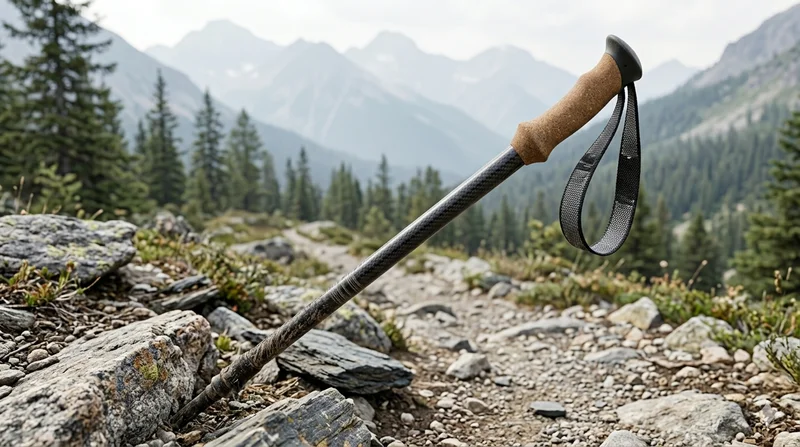
Carbon Fiber Trekking Pole
Lightweight carbon fiber trekking pole manufactured from high-grade carbon fiber tube. Weighs only 160g per pole while providing superior shock absorption and durability for hiking, trail running, and backpacking.

Square Carbon Fiber Tube — 3K Twill T700
Square cross-section carbon fiber tube manufactured with 3K twill weave for torsional strength. Preferred for structural frames, trusses, and support columns where rectangular geometry offers design flexibility.