技术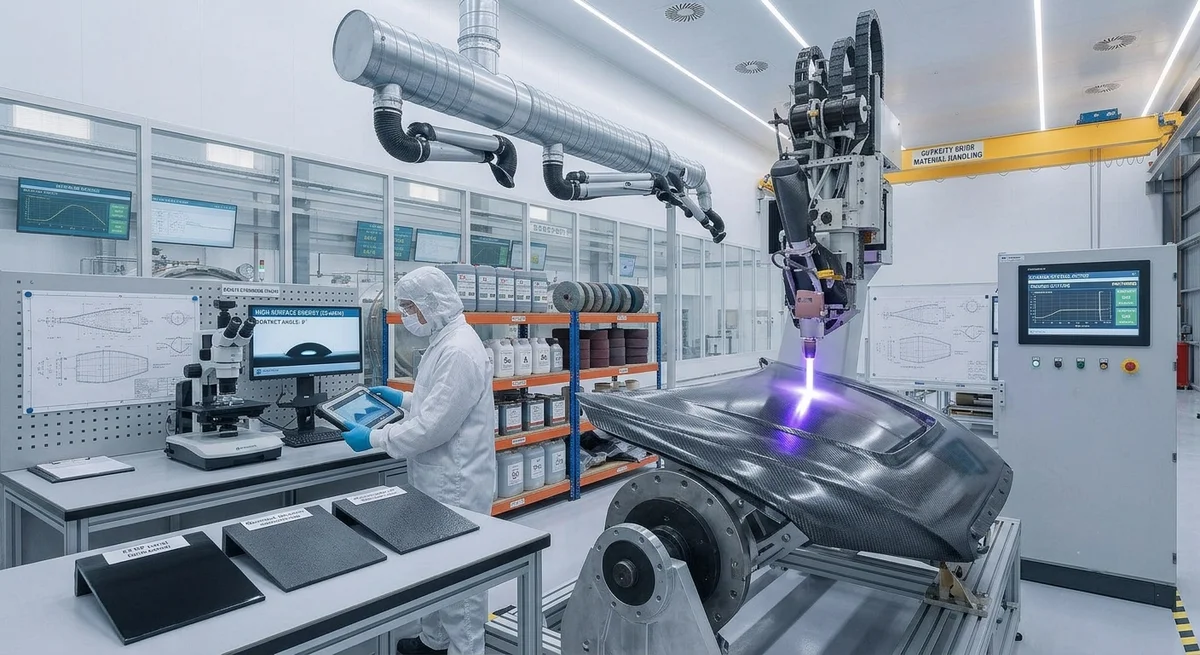
碳纤维表面处理碳纤维粘接
碳纤维表面处理方法:改善粘接与涂装附着力
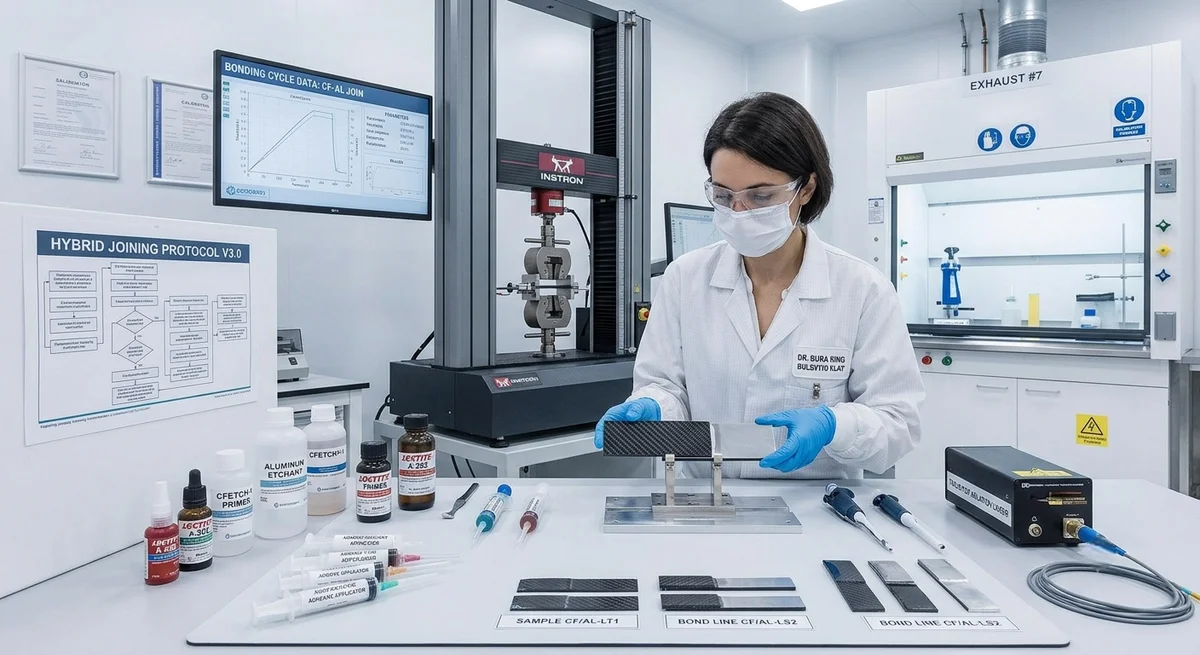
有效的表面处理对实现碳纤维复合材料的高强度粘接和耐久涂装至关重要。本文对比了机械打磨、等离子处理、化学蚀刻、激光处理和底漆系统,提供定量粘接数据和工艺建议,助力B2B买家做出明智选择。
2026年7月4日10 views
阅读更多 
碳纤维知识
来自先进复合材料和碳纤维技术领域的最新资讯。
有效的表面处理对实现碳纤维复合材料的高强度粘接和耐久涂装至关重要。本文对比了机械打磨、等离子处理、化学蚀刻、激光处理和底漆系统,提供定量粘接数据和工艺建议,助力B2B买家做出明智选择。
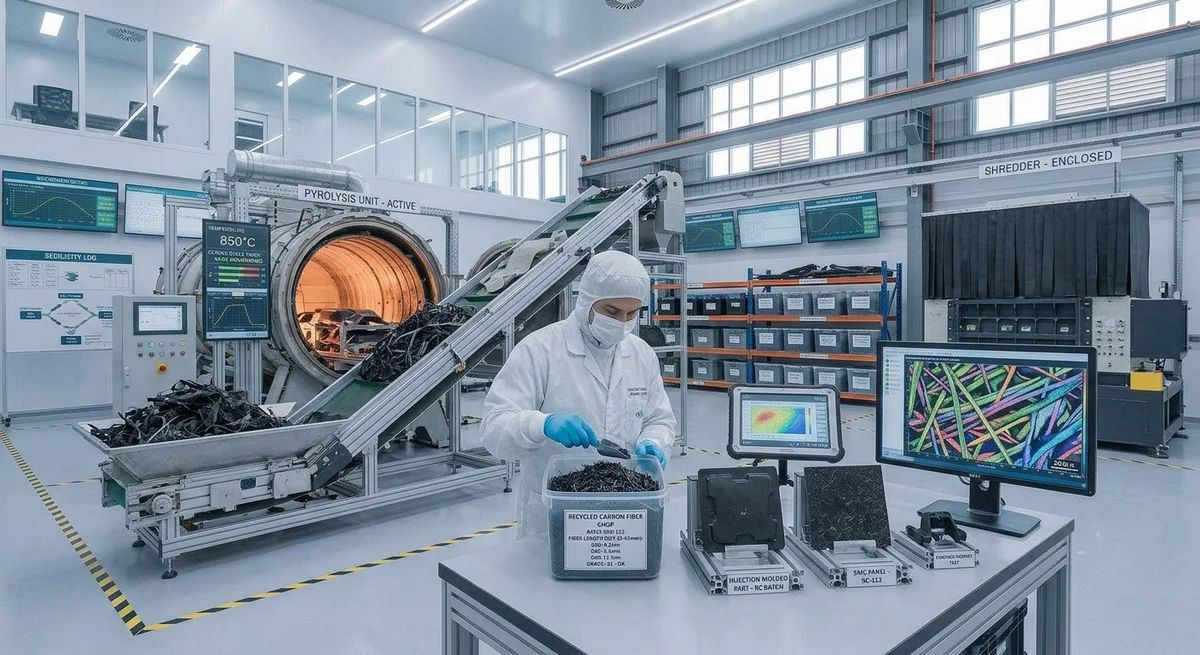
碳纤维回收已从环保考量转变为一个经济上可行的工业流程。全球碳纤维年产量超过20万公吨,退役复合材料废料预计到2028年将达到3-4万公吨,再生碳纤维正成为非航空应用领域经济高效的替代品。本文提供当前回收技术的全面成本分析、材料性能保持率以及B2B买家的市场机遇。 碳纤维行业面临日益严峻的退役处理挑战。约30%的碳纤维复合材料在制造过程中成为废料(边角料、修整

碳纤维复合材料正在改变应急救援装备,为消防员和救援人员提供显著的重量减轻、改进的耐久性和增强的操作效率。本文考察了关键应用、材料规格以及服务应急服务领域的B2B供应商的采购考量。 应急救援人员面临着日益苛刻的体力挑战。消防员的完整防护装备,包括自给式呼吸器(SCBA),总重量可达35-45公斤。通过碳纤维复合材料组件减轻这一负担,直接通过减少疲劳、提高机动性
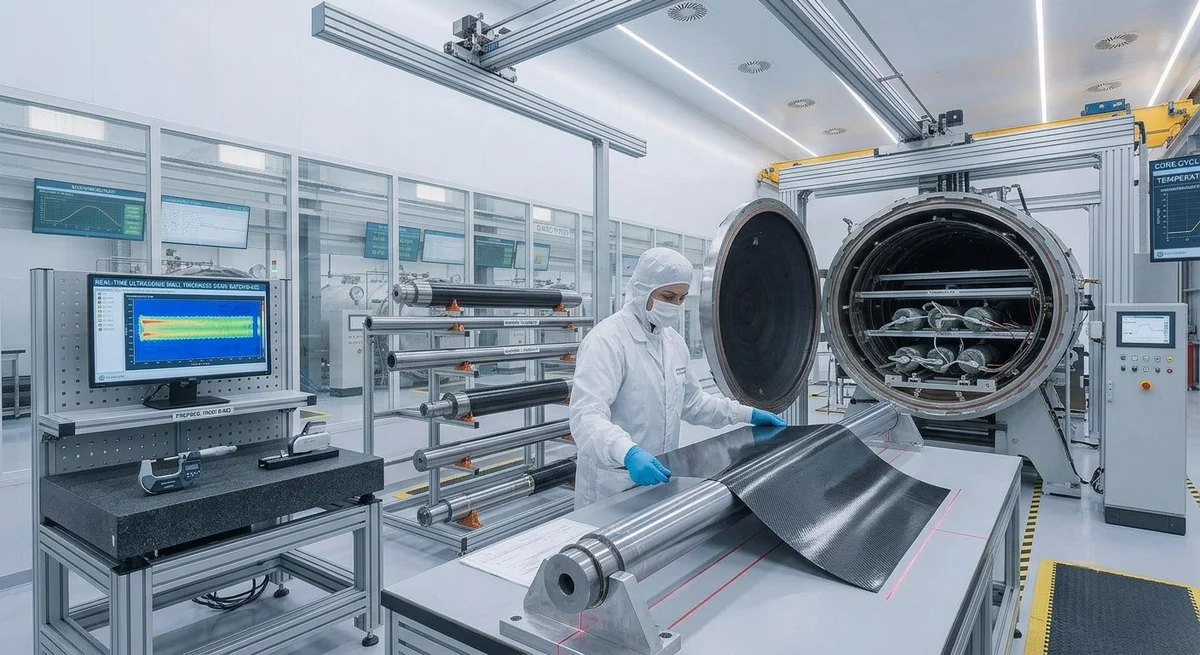
卷制碳纤维管材是为航空航天、体育用品、工业自动化和医疗设备提供高性能管状部件的关键生产方法。本文考察了完整的工艺流程、关键质量控制参数、缺陷预防策略以及为B2B买家评估管材供应商的成本优化技术。 卷制(滚卷成型)碳纤维管材是通过将预浸碳纤维片(预浸料)或干态织物包裹在精密芯轴周围,然后在受控热压下固化制成的。与缠绕成型或拉挤成型不同,卷制提供卓越的尺寸控制、
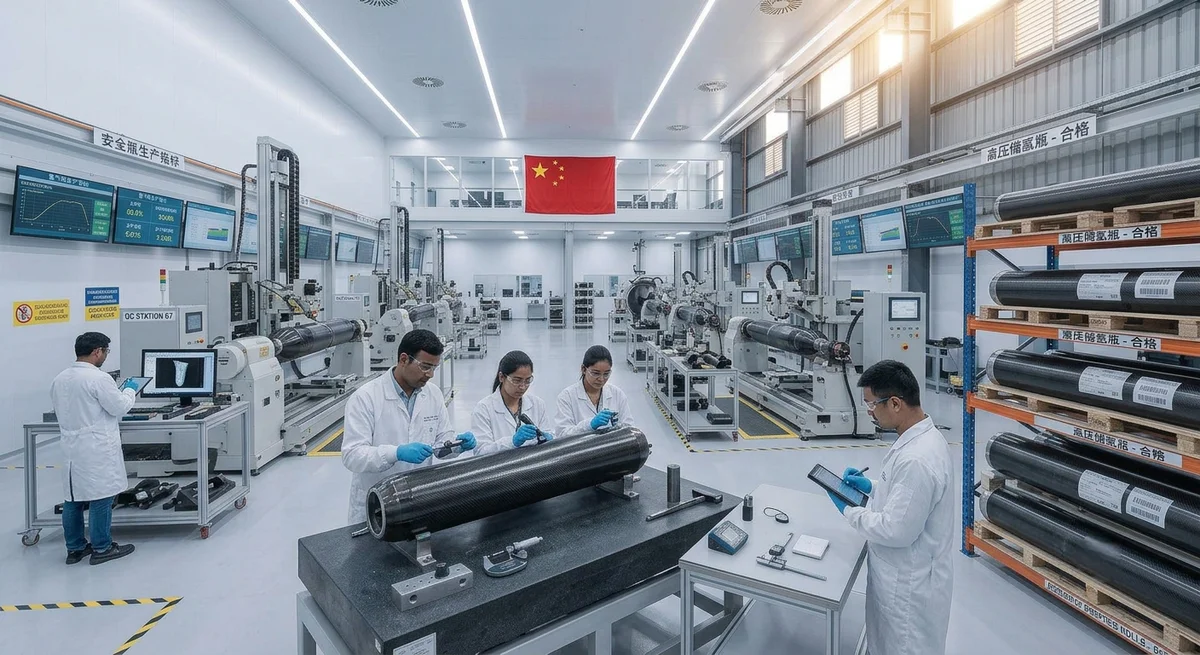
2026年印度碳纤维市场正经历前所未有的增长,驱动因素包括国防自主化计划、航空制造业扩张以及可再生能源基础设施建设。本文分析市场规模、关键驱动因素、供应链动态以及国际B2B供应商的机遇。 印度碳纤维市场已成为2026年全球增长最快的复合材料市场之一。预计到2030年,年复合增长率(CAGR)约为18-22%,印度次大陆为碳纤维生产商、加工商和终端用户提供了重
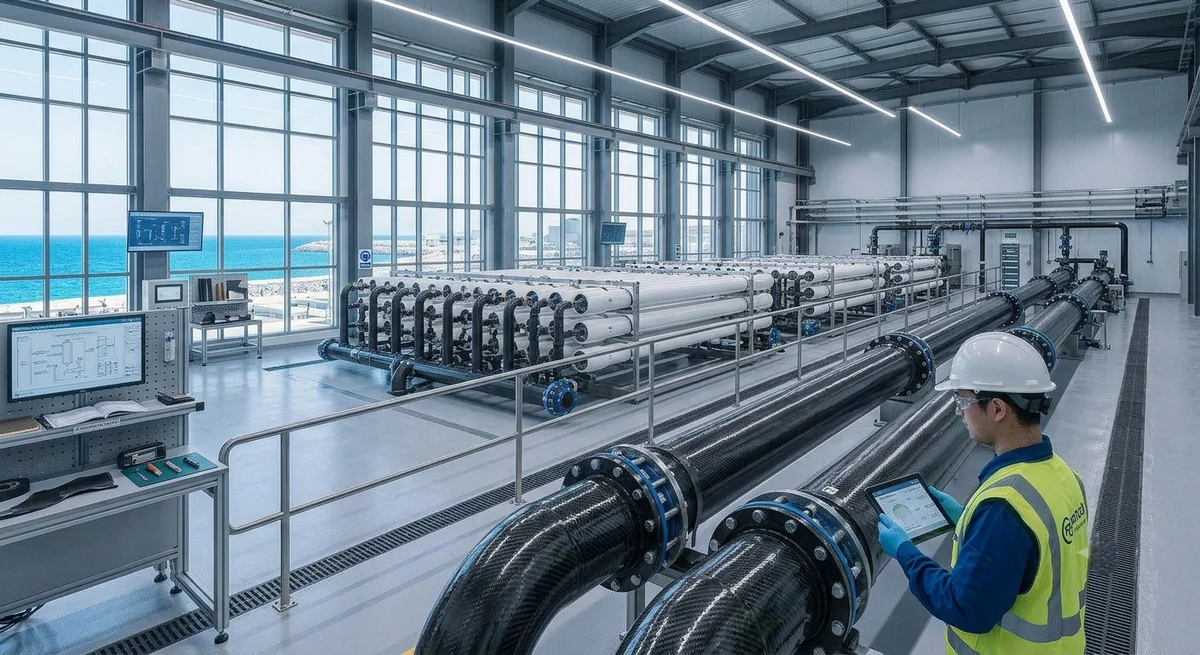
Carbon fiber composites are emerging as a transformative material solution for seawater desalination infrastructure, particularly in reverse osmosis (RO) plants where corrosion resistance, dimensional stability, and weight reduction are critical operational requirements. This article provides a technical overview of carbon fiber applications in desalination—from high-pressure vessel housings to piping systems and structural components—with comparative performance data against traditional materials such as stainless steel, duplex alloys, and fiberglass.
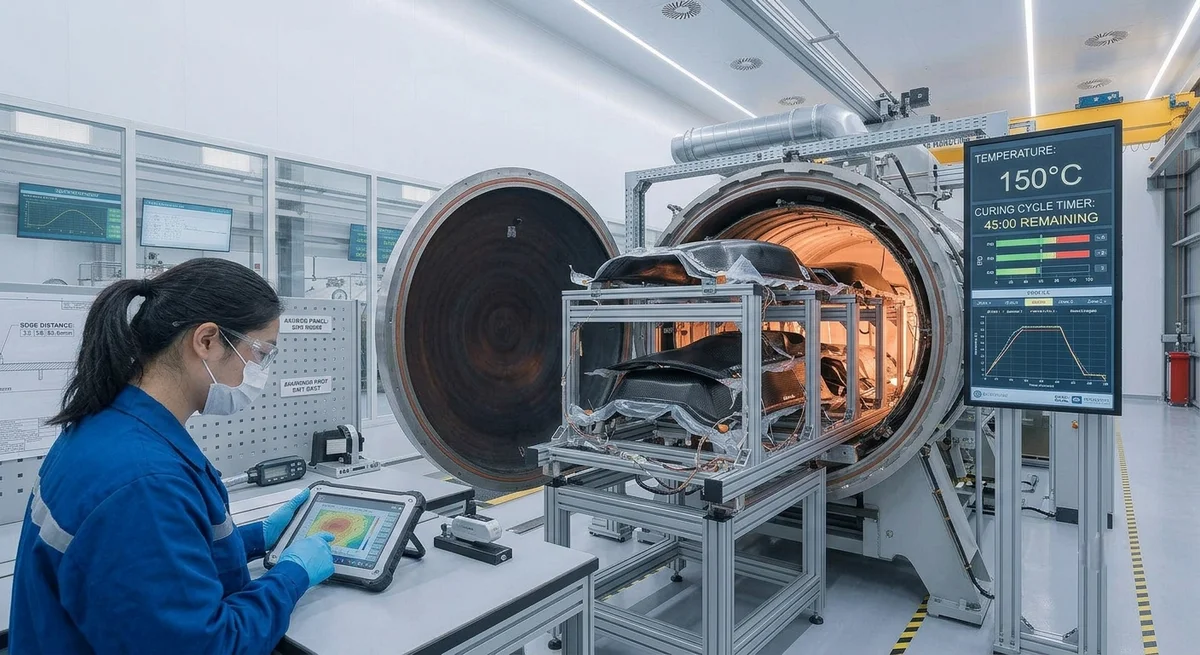
Curing oven design is a critical factor determining the quality, consistency, and cost-efficiency of carbon fiber composite manufacturing. Temperature uniformity across the part geometry directly affects resin cure kinetics, degree of crosslinking, and resulting mechanical properties. This article provides a comprehensive guide to curing oven design parameters, heating technologies, airflow management, and cycle time optimization strategies for B2B buyers evaluating composite manufacturing equipment.
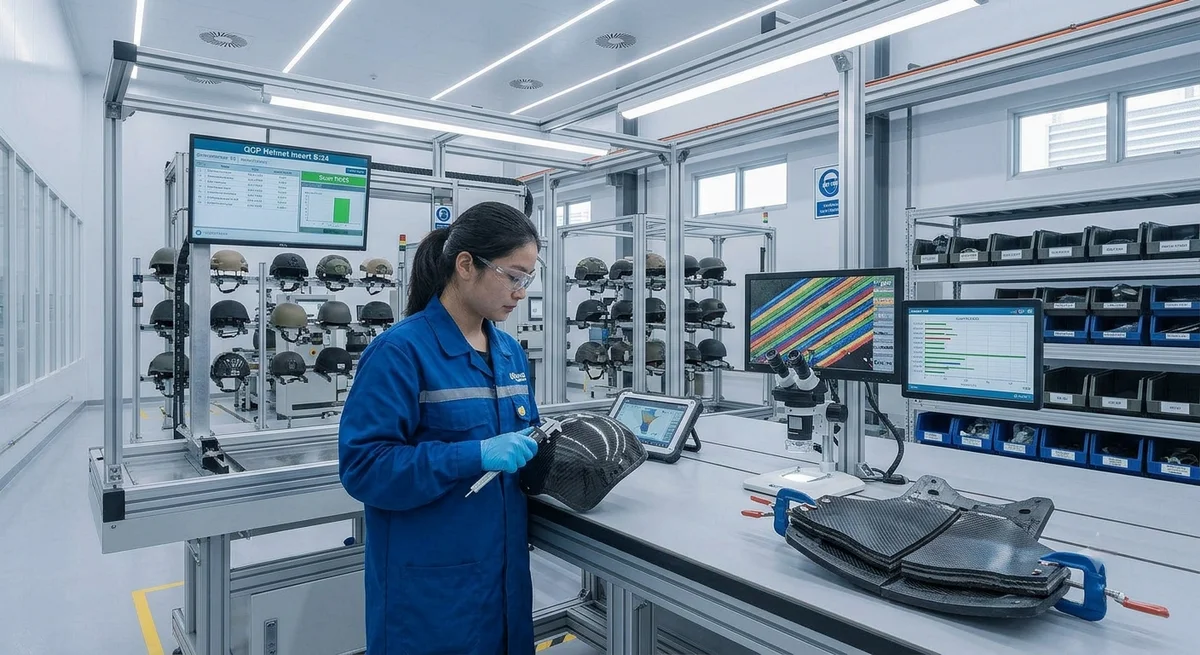
Carbon fiber composites are revolutionizing personal protective equipment (PPE) and tactical protection systems. From ballistic helmet inserts to lightweight body armor plates and impact-resistant sports guards, carbon fiber offers exceptional strength-to-weight ratios that significantly reduce user fatigue while maintaining or improving protective performance. This article examines the material science, manufacturing processes, and real-world applications of carbon fiber in protective gear, providing B2B buyers with technical specifications, comparative data, and procurement considerations.