
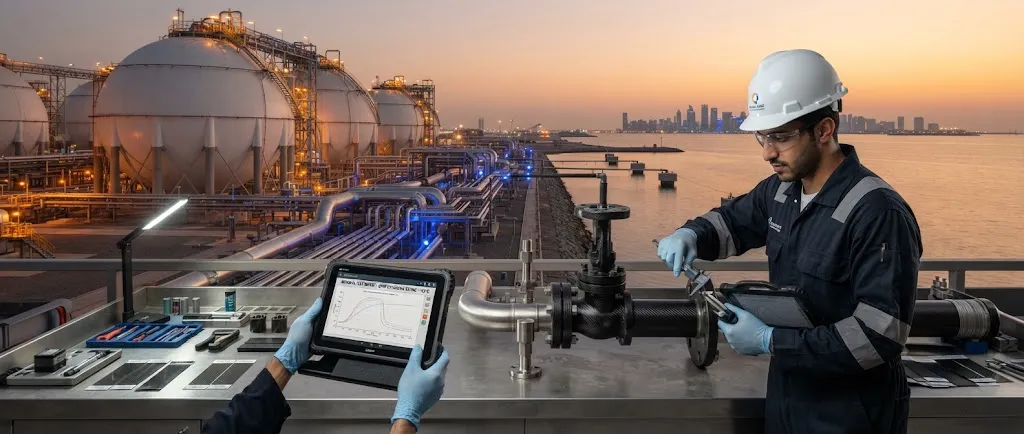
Qatar is a small country with an outsized industrial footprint. With the world's third-largest proven natural gas reserves and a per-capita GDP among the highest on earth, the state funnels hydrocarbon revenue into infrastructure, defense and prestige projects at a pace that keeps speci
Introduction
Qatar is a small country with an outsized industrial footprint. With the world's third-largest proven natural gas reserves and a per-capita GDP among the highest on earth, the state funnels hydrocarbon revenue into infrastructure, defense and prestige projects at a pace that keeps specialist materials like carbon fiber in steady demand. For composites suppliers, Qatar 2026 is not a single market but three distinct demand streams: the LNG build-out and its cryogenic and pressure applications, a defense procurement cycle built around European fighter jets, and a sports and construction legacy that sustains architectural, mobility and marine applications.
This article examines each segment, quantifies the programs behind them, and lays out how carbon fiber products — from unidirectional prepregs to structural profiles — reach Qatari buyers through local integrators and Gulf-wide distributors. The picture that emerges is a niche but reliable market for high-performance composites, driven by state capital rather than consumer demand, and accessible primarily through long-cycle, specification-driven tenders.
LNG Expansion: The Cryogenic and Pressure Applications
The North Field is the foundation of Qatar's economy and the driver of its largest industrial projects. The North Field East and North Field South expansion projects, coming on stream between 2026 and 2030, raise Qatar's LNG nameplate capacity from 77 million tonnes per annum to 126 million tonnes per annum, requiring new liquefaction trains, cryogenic heat exchangers, piping systems, valves and storage infrastructure. Each train is a dense grid of cryogenic-rated components where weight, thermal performance and corrosion resistance are design drivers — exactly the properties carbon fiber composites offer in three specific niches:
- Composite cryogenic piping and valve components: non-metallic actuators, stems and body inserts reduce maintenance in low-temperature service where metal components suffer embrittlement and thermal cycling fatigue.
- Insulation support and structural components: CFRP struts, brackets and support frames in cold boxes cut thermal bridging, lowering boil-off rates in LNG storage and transfer systems.
- Temperature and pressure instrumentation: lightweight composite housings and probe support structures improve response and reduce vibration in process instrumentation.
The LNG market in Qatar is characterized by specification-driven procurement: engineering contractors qualify materials against international standards such as those from ASME and ISO, and qualified suppliers retain positions across entire megaprojects. For composites, the qualification is demanding — cryogenic testing down to minus 162 degrees Celsius is required — but the volumes are reliable and the barriers keep competition limited.
Defense Procurement: Rafale and Typhoon Supply Chains
Qatar runs one of the fastest defense modernization programs in the Gulf. The Qatar Emiri Air Force operates a fleet centered on 36 Dassault Rafale fighters ordered in 2015 (with a follow-on batch negotiated since), 24 Eurofighter Typhoons ordered in 2018, and 36 Boeing F-15QA fighter jets, alongside Airbus A330 MRTT tankers and a growing unmanned aerial vehicle inventory. Each of these aircraft platforms carries a substantial carbon fiber content:
| Platform | Qatar Fleet Size | Airframe CFRP Content | Composite Application Notes |
|---|---|---|---|
| Dassault Rafale | 36+ (orders since 2015) | ~70% of airframe wetted area | Wings, fuselage skins, vertical stabilizers |
| Eurofighter Typhoon | 24 | ~70% by weight | Forward fuselage, wings, fin structure |
| Boeing F-15QA | 36 | ~25-30% by weight | Wing skins, empennage, radome structures |
| Airbus A330 MRTT | 4-6 | ~25% commercial derivative | Empennage, flight control surfaces |
| Drones (TB2 and successors) | Growing fleet | High (>60% on airframes) | Fuselage, wings, ground support equipment |
The defense segment drives demand through two channels. First, original equipment manufacturers continue purchasing spare structures and replacement components for Qatar's active fleet, sustaining a flow of aerospace-grade prepregs and cured components through their supply chains. Second, Qatar's local defense industry strategy pushes for in-country MRO and component support, which creates routes for qualified composite repair and fabrication capability to be established in Doha. For suppliers, the entry point is typically partnering with OEM supply chains and regional maintenance providers rather than selling directly to the state.
Sports Legacy and Construction: Architectural and Mobility Demand
The 2022 FIFA World Cup buildings and infrastructure did not disappear when the tournament ended; they became a permanent sports and construction legacy that continues to generate carbon fiber demand. The stadiums — including Lusail Stadium, Education City Stadium and Al Bayt Stadium — feature extensive tensile roofing and façade systems where lightweight and corrosion-free materials are valued, and Qatar's ongoing infrastructure spending extends to metro extensions, airport expansions and marine project development:
- Architectural composites: tensile membrane framing, façade panels and structural elements in stadium and arena projects, where CFRP profiles combine low weight with design flexibility.
- Marine and yacht applications: Qatar's private marine sector, including luxury yacht construction and refit activity along the Gulf coast, consumes carbon fiber for hulls, masts and superstructure components.
- Mobility and public transport: metro rolling stock components, bus body panels and airport ground equipment increasingly specification carbon fiber-reinforced parts for weight and corrosion advantages in the harsh Gulf climate.
- Motorsport and sporting goods: Qatar hosting Formula 1, MotoGP and the Qatar Prix keeps motorsport-related composite demand visible, alongside sporting goods from rackets to archery equipment.
This legacy segment is steadier than headline projects suggest: it is driven by maintenance, refurbishment and incremental expansion rather than one-off build events, providing consistent demand for structural profiles, sandwich panels and cured composite parts over the medium term.
Market Structure and Supply Routes
Qatar has no domestic carbon fiber production and limited local conversion capability, so virtually all composite material arrives through imports. The practical supply route for most B2B suppliers runs through three channels:
| Channel | Typical Customer | Order Profile | Entry Barrier |
|---|---|---|---|
| Engineering contractor supply | LNG EPC contractors, construction groups | Large, specification-driven, long-cycle | Qualification and standards compliance |
| Defense OEM and MRO supply chains | OEM suppliers, maintenance providers | Medium, certification-driven | Export compliance, aerospace certification |
| Regional distributors and integrators | Local fabricators, marine and motorsport shops | Small, repeat, short-cycle | Logistics and local presence |
Gulf-wide distributors with Gulf Cooperation Council coverage — often headquartered in the UAE or Saudi Arabia — aggregate Qatari demand and are the most practical entry point for new suppliers. Direct qualification into LNG or defense supply chains requires documented material data, standards compliance and usually an in-region partner; the returns, however, are multi-year framework positions that justify the investment.
Outlook for Composites Suppliers
Three trends will shape Qatar's composite demand through the late 2020s. First, the LNG expansion tail — with trains entering service through 2030 — sustains cryogenic and structural material procurement at scale. Second, defense localization pushes composite MRO and component capability towards the Gulf, creating partnering opportunities for qualified suppliers. Third, the sports legacy and infrastructure pipeline keeps architectural, marine and mobility demand active beyond the construction boom. Together, they make Qatar a steady, specification-driven niche market for carbon fiber products — one best served through distributors for volume and through direct qualification for the LNG and defense programs that define the market's value.
Frequently Asked Questions
Does Qatar have any domestic carbon fiber manufacturing?
No. Qatar has no carbon fiber production and only limited composite conversion capacity, so essentially all carbon fiber material — fibers, fabrics, prepregs and cured parts — is imported. The country's upstream industry is focused on gas, petrochemicals and metals, while composite fabrication is concentrated in smaller workshops and integrators serving marine, motorsport and construction niches. This import dependence is precisely why regional distributors with Gulf coverage are the most reliable channel for B2B suppliers entering the Qatari market, and why the LNG and defense programs procure through global engineering contractors who bring their own qualified supplier bases into the country.
Which carbon fiber segments have the strongest growth in Qatar?
The LNG segment is the largest in value terms, driven by the North Field expansion and its cryogenic and pressure infrastructure; demand is specification-driven and concentrated among engineering contractors and a handful of qualified suppliers. Defense is the fastest-moving segment, with the Rafale, Typhoon and F-15QA fleets generating ongoing component and MRO demand as Qatar localizes defense support. The sports and construction legacy segment is the steadiest, with architectural composites, marine and mobility applications providing repeat demand. Suppliers should note that all three segments are procurement-led rather than consumer-led, so growth follows project pipelines and government budgets rather than market sentiment.
How can a composite supplier enter the Qatari market?
The lowest-barrier route is partnering with a Gulf-wide distributor that already aggregates demand across Qatar, the UAE and Saudi Arabia; this covers marine, motorsport and construction volumes quickly. For the higher-value LNG and defense segments, entry requires documented material qualification — cryogenic test data for LNG applications, aerospace certification and export compliance for defense — and in most cases an in-region partner or local agent. Practical first steps include identifying the engineering contractors active on North Field work, engaging their supplier qualification programs, and attending defense and energy industry events in Doha to map the decision chain. Expect 12-24 month sales cycles before the first framework order in these segments.
Conclusion
Qatar's carbon fiber market in 2026 is a study in state-driven demand concentration. The North Field LNG expansion sustains a specification-driven market for cryogenic and structural composite components; the Rafale and Typhoon fleets keep aerospace-grade material flowing through OEM and MRO supply chains; and the World Cup legacy keeps architectural, marine and mobility demand alive. The result is a niche but reliable market where qualified suppliers with regional partners can build multi-year positions across projects that run to 2030 and beyond.
For suppliers assessing the Gulf, Qatar is best approached through distributors for volume and through direct qualification for the LNG and defense programs that set the market's value. Explore our carbon fiber prepregs, fabrics and structural profiles, or contact our engineering team to discuss material supply and qualification support for Middle East projects.
Part of topic
Related Articles
Interested in Our Products?
Contact our team for competitive pricing and technical specifications.
Get a QuoteRelated Products
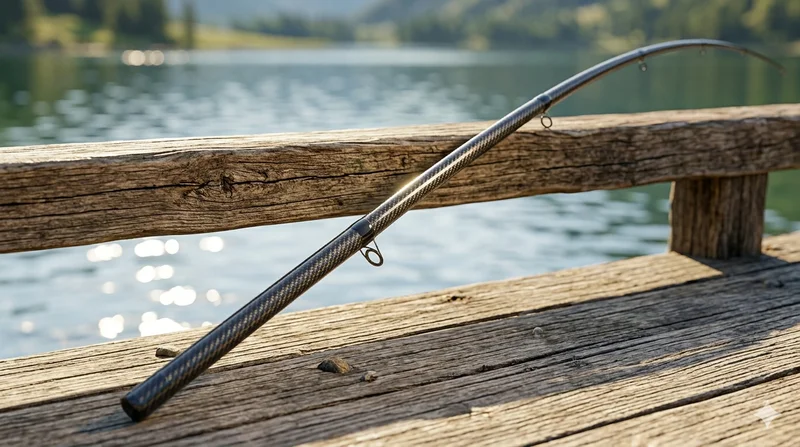
Carbon Fiber Fishing Rod Blank
High-quality carbon fiber fishing rod blank manufactured from multiple grades of Toray carbon fiber cloth. Available in a wide range of lengths, powers, and actions for freshwater and saltwater applications. Suitable for OEM rod building.
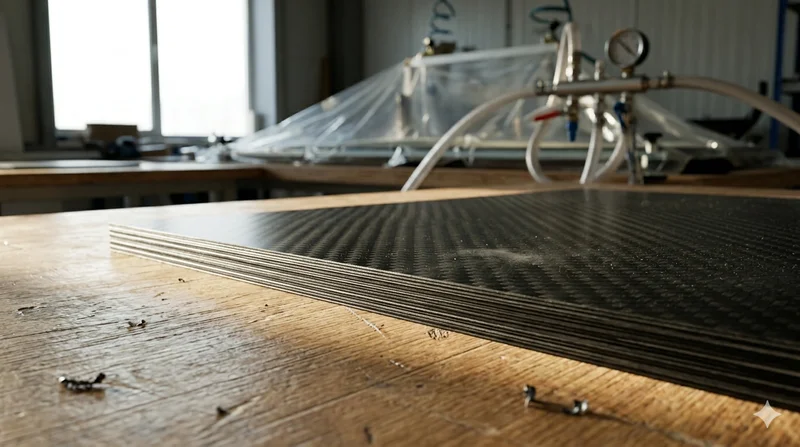
Carbon Fiber Plate — 3K Twill T700 3.0mm
Medium-thickness 3.0mm carbon fiber plate offering significantly higher load capacity while maintaining attractive 3K twill finish. Suitable for structural brackets, reinforcement plates, and load-bearing panels.
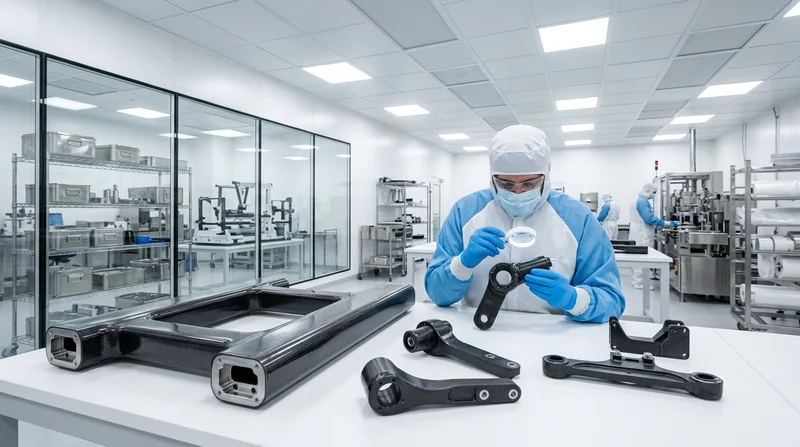
Custom Carbon Fiber Medical Device Components
Medical-grade carbon fiber components manufactured for imaging equipment, surgical instruments, and patient support systems. Carbon fiber's radiolucency (X-ray transparency) and high strength-to-weight ratio make it ideal for CT scanner beds, wheelchair frames, surgical robot arms, and MRI-compatible accessories. Biocompatible resin systems available.
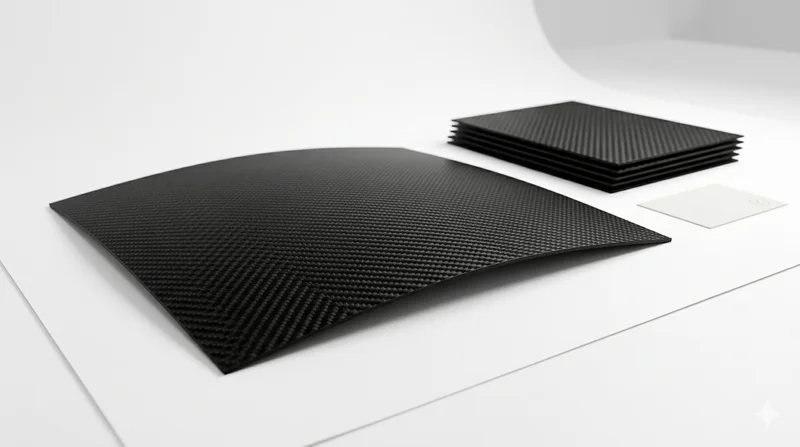
Carbon Fiber Plate — 3K Twill T700 1.5mm
Thin 1.5mm carbon fiber plate with 3K twill weave surface. Lightweight and stiff, commonly used for covers, panels, drone bodies, and applications requiring a premium aesthetic appearance.
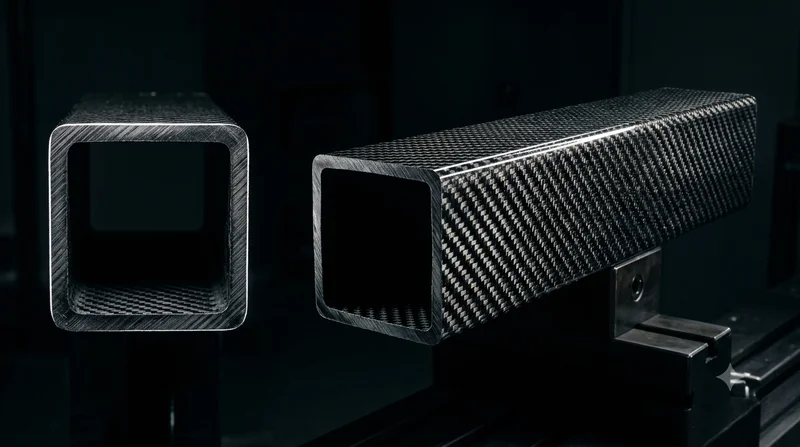
Square Carbon Fiber Tube — 3K Twill T700
Square cross-section carbon fiber tube manufactured with 3K twill weave for torsional strength. Preferred for structural frames, trusses, and support columns where rectangular geometry offers design flexibility.