
The Pakistan carbon fiber market is defined less by its absolute size than by the unusual diversity of its demand drivers. With no domestic carbon fiber production, Pakistan imports virtually all of its reinforcement material — tow, fabric, and prepreg — and converts it locally into fin
Introduction
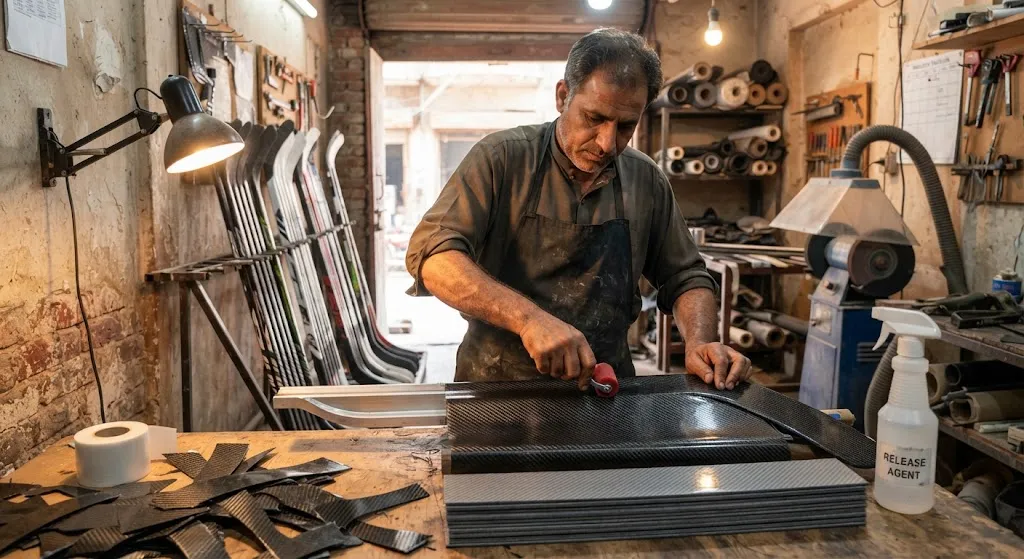
The Pakistan carbon fiber market is defined less by its absolute size than by the unusual diversity of its demand drivers. With no domestic carbon fiber production, Pakistan imports virtually all of its reinforcement material — tow, fabric, and prepreg — and converts it locally into finished goods and structural components. Three sectors dominate that conversion. The first is sports goods manufacturing, concentrated in Sialkot, which is one of the world's largest production hubs for hockey sticks, cricket bats, gloves, and other sporting equipment, and where carbon fiber has become a performance-defining input for top-tier products. The second is the textile industry, Pakistan's largest manufacturing sector, which consumes carbon fiber indirectly through high-speed machinery components and directly through technical-textile products. The third is the energy sector, where gas pipeline networks and power infrastructure are adopting composite repair and reinforcement systems that cut downtime relative to conventional methods.
Each of these channels imports carbon fiber for a different reason — athletic performance in Sialkot, wear resistance and speed in textiles, and corrosion tolerance in energy — and each therefore presents a different sales path for suppliers.
Market Size and Demand Structure
Industry estimates put Pakistan's annual carbon fiber consumption at 300-500 tonnes in 2026, a modest figure for a country of 240 million people but one with clear growth momentum in the sports and energy segments. The table below summarizes the demand structure:
| Segment | 2026 Demand Share | Growth Outlook | Primary Drivers |
|---|---|---|---|
| Sports Goods | 35-40% | 6-9% per year | Hockey sticks, cricket bats, premium equipment |
| Textile Machinery & Technical Textiles | 25-30% | 4-6% per year | High-speed loom components, machinery upgrades |
| Energy & Pipeline Repair | 15-20% | 8-12% per year | CFRP repair sleeves, corrosion protection |
| Automotive & Industrial | 10-15% | 5-7% per year | Motorcycles, defense platforms, machinery parts |
| Other | 5-10% | 4-6% per year | Medical devices, construction, consumer sports |
Two structural facts shape the market. First, competition is fiercely price-sensitive: Pakistani industrial buyers benchmark against steel and low-cost imported materials, so carbon fiber must win on performance-per-rupee rather than on brand. Second, the import channel is complex — duties, customs clearance times, and currency volatility all factor into landed cost — which makes distribution partnerships and local inventory holdings central to reliable supply.
Sports Goods Manufacturing: The Sialkot Cluster
Sialkot, a city in the northeastern Punjab province, is the anchor of Pakistan's sports goods industry and one of the most important production centers for sporting goods anywhere in the world. The cluster manufactures a substantial share of the world's hockey sticks, cricket bats, footballs, and sports gloves, alongside a wide range of athletic equipment. Top-tier brands source from Sialkot because of the combination of skilled labor, established leather and woodworking craft, and — increasingly — the ability to handle advanced composite materials.
Carbon fiber's role in the Sialkot cluster has shifted from novelty to necessity in the premium segment of three product categories:
- Hockey sticks: Elite-field hockey sticks are now predominantly carbon fiber composite constructions. Sialkot producers blend carbon fiber prepreg with wood and fiberglass laminates to tune stiffness, weight, and durability, with the best-selling international specifications demanding high-modulus carbon for attacking players.
- Cricket bats and equipment: While the traditional willow bat remains dominant, carbon fiber reinforced handles, toe guards, and protective equipment — pads and helmets — have become mainstream performance inputs that Sialkot workshops laminate in-house.
- Protective and recreational products: Cycling helmets, sports gloves with carbon backings, and composite shafts for racquet and fishing products extend the cluster's carbon fiber consumption beyond sticks and bats.
For material suppliers, the Sialkot channel is attractive for three reasons: it is private-sector driven with no defense or export-control friction, it operates on fast production cycles that reward responsive inventory, and it is concentrated — a small number of large workshops handle most of the premium volume, so a handful of relationships can open meaningful demand. The main caveat is quality consistency: incoming material is often inspected on visual and surface-quality criteria, and consistent tow handling and finished surface are as commercially important as mechanical data.
Textile Industry: Machinery Components and Technical Textiles
Pakistan's textile industry is the backbone of its manufacturing economy, spanning cotton processing, spinning, weaving, and garment production, with major clusters in Faisalabad, Karachi, and Lahore. The industry has invested heavily in high-speed machinery in recent years, and that modernization drives carbon fiber demand in two distinct ways.
The first is machine components. High-speed rapier and air-jet looms, knitting machines, and winding equipment use carbon fiber in lightweight, high-stiffness parts — rapier tapes and rods, reed holders, and reciprocating elements — where lower inertia translates directly into higher operating speed and reduced vibration. The second channel is technical textiles: carbon fiber fabric and prepreg are themselves technical textile products, and Pakistani producers are beginning to weave and laminate carbon-based fabrics for export and for domestic industrial applications such as filtration, abrasion-resistant layers, and reinforcement scrims.
The textile machinery channel is the easiest entry point for a foreign supplier because component demand is specification-driven and less price-sensitive than commodity fiber sales. The technical-textile channel is more strategic: it positions a supplier inside Pakistan's largest export industry and creates repeat demand for tow, fabric, and prepreg that survives individual machine orders.
Energy Sector: Pipeline Repair and Corrosion Protection
Pakistan's energy infrastructure — a dense network of natural gas transmission and distribution pipelines, power-plant balance-of-plant systems, and a growing portfolio of LNG terminals — runs through soils and climates that challenge conventional metallic systems. Carbon fiber composite repair systems have become a standard tool for reinstating corroded or mechanically damaged pipelines without taking them out of service, and this application is the fastest-growing energy-related carbon fiber demand in the country.
Key applications in the energy channel include:
- CFRP repair sleeves: Wrapped composite sleeves restore hoop strength and pressure integrity on gas and oil pipelines, avoiding costly shutdown and replacement cycles.
- Corrosion protection on process plant: Internal liners, grating, and structural profiles in chemical and power plants replace corroding steel where exposure to moisture, salt, and chemicals is severe.
- Rehabilitation of aging assets: As Pakistan's gas distribution web ages, utilities are turning to composite wraps for non-piggable and buried-line sections where excavation is impractical.
- Defense and rescue applications:
The energy channel is a volume opportunity anchored by recurring maintenance contracts rather than one-off projects. For a supplier, it rewards consistent consumable supply — repair kits, prepreg rolls, and application consumables — and technical support for installation crews, because the repair quality depends as much on field application discipline as on the material itself.
Supply Chain Opportunities for Carbon Fiber Suppliers
For a carbon fiber supplier evaluating Pakistan, the sequencing question is straightforward: start with Sialkot sports goods, which is the largest, fastest, and least regulated demand channel, then layer in textile machinery components, and finally pursue the energy repair segment where qualification cycles are longer but contract values are larger. The sports channel can be accessed through a handful of premium workshop relationships; the textile channel follows the machinery OEM supply chain; the energy segment typically proceeds through engineering procurement contractors and standardized repair-system approvals.
Logistics and financing are the decisive operational variables. Pakistan enforces significant import duties on carbon fiber materials, customs clearance can add weeks to lead times, and the rupee's exchange-rate history makes landed-cost forecasting essential. Suppliers should structure distribution around a local partner holding inventory, quote in a hard currency where possible, and maintain buffer stock to decouple from customs delays. Those who treat Pakistan as a warehousing and financing problem rather than just a sales problem will capture disproportionate share.
Frequently Asked Questions
How large is the Pakistan carbon fiber market in 2026?
Industry estimates put Pakistan's annual carbon fiber consumption at roughly 300-500 tonnes in 2026, supplied entirely by imports since the country has no domestic carbon fiber production. Sports goods manufacturing is the largest segment at 35-40% of demand, followed by textile machinery and technical textiles at 25-30% and energy sector applications at 15-20%.
Why is Sialkot important to the carbon fiber market?
Sialkot is one of the world's largest sports goods manufacturing clusters and the anchor of Pakistan's carbon fiber demand. Elite hockey sticks and cricket equipment from the cluster are now built around carbon fiber laminates, and the premium segment of the cluster's production uses high-modulus carbon fiber prepreg as a standard performance input.
How does Pakistan's textile industry consume carbon fiber?
The textile industry consumes carbon fiber in two ways: through lightweight high-stiffness components for high-speed looms and winding machinery, and through technical textile products such as woven carbon fabric and prepreg. Mill modernization and the growth of technical textile exports are the main drivers.
What should a supplier consider before entering Pakistan?
Suppliers should prepare for significant import duties, extended customs clearance times, and currency volatility that affect landed cost. Working through a local distribution partner with in-country inventory, quoting in a hard currency where possible, and maintaining buffer stock are the practical keys to reliable supply and competitive positioning.
Conclusion
Pakistan's carbon fiber market in 2026 runs on three engines: a world-class sports goods cluster in Sialkot that has made carbon fiber a performance standard for premium equipment, a vast textile industry modernizing on lightweight machine components and technical fabrics, and an energy sector adopting composite repair and corrosion protection to keep aging infrastructure running. Each channel imports carbon fiber for different reasons and demands different entry tactics, but together they reward suppliers who invest in local distribution, inventory, and financing discipline rather than treating Pakistan as an extension of other Asian markets.
YongXian supplies carbon fiber fabrics, prepregs, and reinforcement materials to industrial and sporting goods customers worldwide. Explore our carbon fiber product range or contact our team to discuss material specifications for Pakistani sports goods, textile, and energy applications.
Part of topic
Related Articles
Interested in Our Products?
Contact our team for competitive pricing and technical specifications.
Get a QuoteRelated Products
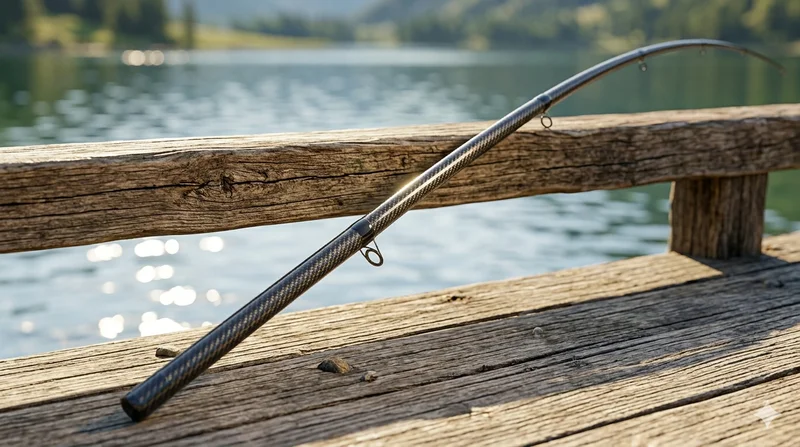
Carbon Fiber Fishing Rod Blank
High-quality carbon fiber fishing rod blank manufactured from multiple grades of Toray carbon fiber cloth. Available in a wide range of lengths, powers, and actions for freshwater and saltwater applications. Suitable for OEM rod building.

Carbon Fiber Plate — 3K Twill T700 1.5mm
Thin 1.5mm carbon fiber plate with 3K twill weave surface. Lightweight and stiff, commonly used for covers, panels, drone bodies, and applications requiring a premium aesthetic appearance.

Carbon Fiber Plate — 3K Twill T700 3.0mm
Medium-thickness 3.0mm carbon fiber plate offering significantly higher load capacity while maintaining attractive 3K twill finish. Suitable for structural brackets, reinforcement plates, and load-bearing panels.
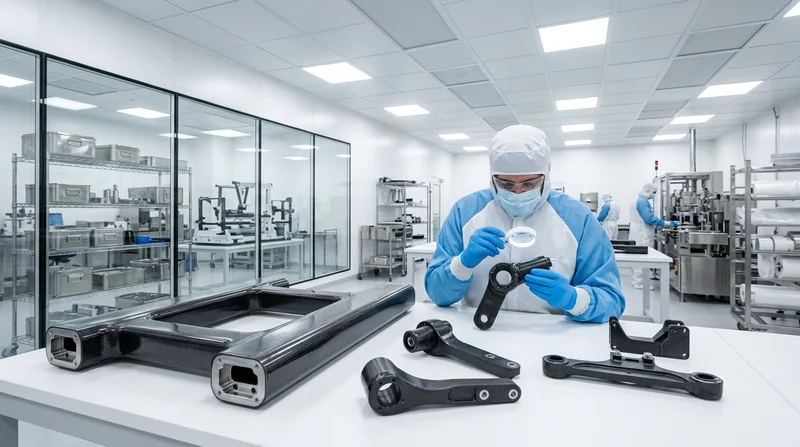
Custom Carbon Fiber Medical Device Components
Medical-grade carbon fiber components manufactured for imaging equipment, surgical instruments, and patient support systems. Carbon fiber's radiolucency (X-ray transparency) and high strength-to-weight ratio make it ideal for CT scanner beds, wheelchair frames, surgical robot arms, and MRI-compatible accessories. Biocompatible resin systems available.

Square Carbon Fiber Tube — 3K Twill T700
Square cross-section carbon fiber tube manufactured with 3K twill weave for torsional strength. Preferred for structural frames, trusses, and support columns where rectangular geometry offers design flexibility.