
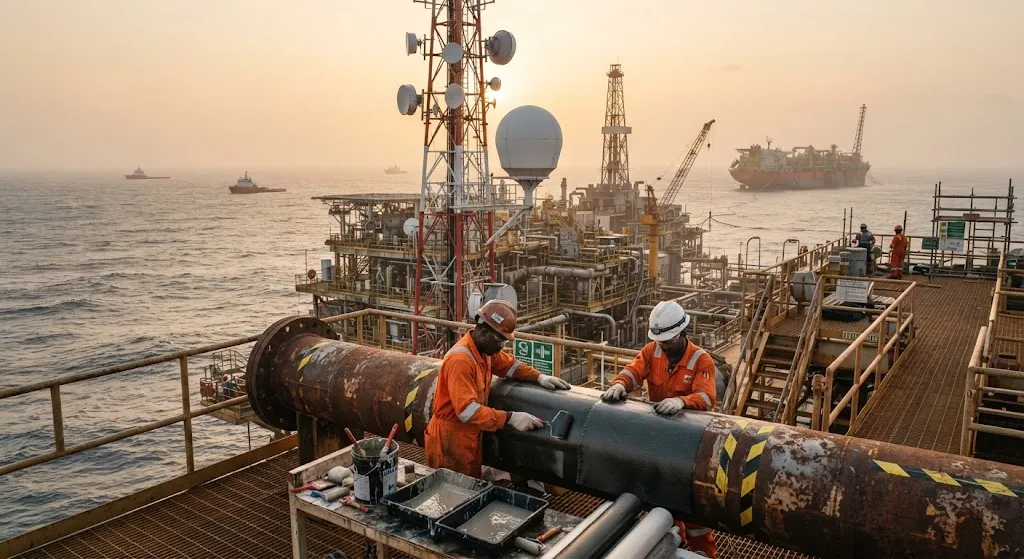
Nigeria is West Africa's largest economy and its largest carbon fiber demand center, though the local market is almost entirely import-driven. The demand base splits into two heavy users — oil and gas infrastructure in the Niger Delta and offshore fields, and telecommunications networks
Introduction
Nigeria is West Africa's largest economy and its largest carbon fiber demand center, though the local market is almost entirely import-driven. The demand base splits into two heavy users — oil and gas infrastructure in the Niger Delta and offshore fields, and telecommunications networks expanding rapidly as operators densify 4G and prepare for 5G. A smaller but growing layer of manufacturing — automotive assembly, defense, and lightweight industrial equipment — creates pockets of demand that international suppliers can serve directly or through regional distributors.
This analysis covers where carbon fiber demand actually sits in Nigeria in 2026, how the supply chain works in practice, and what foreign suppliers need to get right on documentation, payment, and logistics before the first shipment clears the Lagos ports.
Oil and Gas Infrastructure Demand
The oil and gas sector is the oldest and largest consumer of performance composites in Nigeria. Aging pipelines, flowlines, and gathering systems — many built in the 1970s and 1980s — are heavily corroded, and the cost of replacement competes directly with repair and reinforcement methods that use carbon fiber. Composite repair wraps for pipelines and risers, CFRP sleeves for topside piping, and cathodic-protection-compatible composite fittings form the core demand. Operators working in the Niger Delta and shallow-water fields routinely specify composite repair systems because they can be applied without taking the line out of service and without hot work permits, which are administratively difficult to obtain.
The offshore segment adds structural uses. Platform decks, walkways, ladders, and handrails are being converted to composite materials for corrosion resistance and weight savings, and composite gratings have become standard on gas processing facilities. FLNG and gas monetization projects, which Nigeria has prioritized to capture flare gas, specify composite fire-water systems and lightweight structures. For every platform life-extension project, there is a bundle of repair, retrofit, and new-build composite demand that foreign suppliers of prepregs, infusion systems, and composite profiles can address.
The table below summarizes the main oil and gas application areas and their adoption drivers:
| Application | Material Form | Primary Driver | Adoption Level |
|---|---|---|---|
| Pipeline repair wraps | Wet layup / prepreg wrap | No hot work, low downtime | Established standard |
| Riser and flowline reinforcement | CFRP bandage systems | Corrosion, fatigue life | Growing |
| Platform gratings and handrails | Composite profiles | Corrosion, weight | Established standard |
| Fire-water systems | Composite pipe | Corrosion, weight | Early adoption |
| Downhole tools and parts | CFRP rods and tubes | Weight, non-magnetic | Niche |
Telecom and Outdoor Equipment Demand
Telecommunications is the fastest-growing consumer of carbon fiber in Nigeria, driven by network densification and the physical demands of the installed base. Nigeria operates one of Africa's largest tower estates, with tens of thousands of telecom masts run by tower companies and mobile operators in a market where right-of-way constraints make every tower relocation costly. Carbon fiber enters this sector in three ways: structural reinforcement of aging towers, lightweight components for new tower and site builds, and outdoor equipment that must survive harsh conditions.
- Tower reinforcement: Steel masts often need strengthening when antennas are added. CFRP wrap systems and composite stiffeners extend tower life without replacing the structure, which is attractive when replacement means new planning approval and extended downtime.
- Radomes and antenna parts: Composite radomes and reflector components for microwave and satellite links are specified because they are RF-transparent, lightweight, and corrosion-free in the humid coastal climate.
- Enclosures and mounts: Composite enclosures, trays, and mounting frames for outdoor cabinets resist corrosion and reduce the dead load on rooftops and towers, a growing niche as fiber-to-the-tower and edge sites multiply.
Nigeria's broadband plan and the operator push toward 5G reserve bandwidth create steady new tower and small-cell construction through the decade. For carbon fiber suppliers, the telecom channel is attractive because demand is continuous, order sizes are modest, and the same products serve neighboring West African markets after initial Nigerian adoption.
Emerging Manufacturing and Local Value Addition
Beyond the two anchor industries, a thin but real manufacturing layer is forming. Automotive assembly plants in Lagos and Ogun State produce vehicles with imported composite parts, while motorcycle and tricycle production — a large local industry — increasingly uses composite body panels and guards. Defense modernization programs procure composite helmets, plates, and vehicle components through government channels, typically through agents and primes rather than direct procurement. Composite boatbuilding for coastal fishing and security craft is established around coastal communities, using imported glass and carbon fiber laminates.
Local manufacturing of advanced composites is minimal — there is no domestic carbon fiber production and few certified processing facilities. Almost all composite material, from raw fiber to prepreg, enters as imports. This import dependence is the defining structural feature of the Nigerian market: local demand exists and is growing, but every kilogram consumed creates a logistics and documentation chain through Apapa and Tin Can Island ports, which are subject to congestion and customs delays.
Supply Chain Realities for Foreign Suppliers
Selling into Nigeria is different from selling into established industrial markets, and the practical differences matter more than the technology. Payment and financing terms are the first consideration: letters of credit remain the norm for government-adjacent procurement, while private operators increasingly pay on confirmed terms after an initial track record. Certification and traceability documentation must be impeccable because end users in oil and gas and telecom verify compliance with international standards before acceptance — ASTM and ISO references on CFRP repair systems and telecom components are expected.
Logistics planning must account for port congestion, inland haulage, and the security environment in parts of the Niger Delta. Reliable suppliers plan buffer stock in-country or work with regional distributors in Ghana or South Africa to shorten lead times. Currency volatility and foreign-exchange controls can tie up payable amounts, so pricing strategies typically build in hedging or request payment in hard currency. These factors mean the successful entry pattern in Nigeria is partnership-based: identify a technically competent local partner or licensed repair contractor who already carries the certifications operators require.
Frequently Asked Questions
What is the main carbon fiber demand driver in Nigeria?
Oil and gas infrastructure is the largest and most established demand center, led by composite repair and reinforcement of corroded pipelines, risers, and platform structures. Telecommunications is the fastest-growing consumer, driven by tower reinforcement, radomes, and outdoor enclosure applications. Manufacturing demand is smaller but emerging through automotive assembly, defense programs, and boatbuilding. All three channels are supplied almost entirely by imports, since Nigeria has no domestic carbon fiber production and few certified processing facilities.
How do foreign suppliers sell into the Nigerian market?
The dominant practical route is partnering with a local technical partner — a licensed repair contractor, trading group, or engineering firm that holds operator certifications and manages the documentation chain. Letters of credit are common for government-adjacent procurement; private operators negotiate terms after establishing a track record. Suppliers must budget for port congestion at Apapa and Tin Can Island, currency volatility, and longer payment cycles, and should maintain buffer stock or regional distribution to keep lead times serviceable.
What standards do Nigerian end users require for composite products?
End users in oil and gas and telecom verify compliance with international standards before acceptance. CFRP pipeline repair and reinforcement systems are expected to reference the applicable composite repair standards accepted by the operator's engineering authority, and telecom radome and component suppliers must demonstrate RF and mechanical properties against industry-recognized references. ASTM and ISO documentation, traceability records, and material test certificates are a practical prerequisite for any first order.
Conclusion
Nigeria in 2026 is an import-driven composites market anchored by oil and gas infrastructure and telecom, with a manufacturing layer beginning to add volume. The demand is real and growing, but success depends less on product capability than on mastering the supply chain — documentation discipline, payment structures, and logistics through congested ports. Suppliers that pair technical quality with a credible local partner position themselves for the repair, retrofit, and build programs that define the Nigerian market.
For suppliers evaluating West Africa, Nigeria is the natural entry point with the deepest application base. Review our carbon fiber materials for oil and gas and telecom applications, or contact our export team to discuss specification support and sample programs for the region.
Part of topic
Related Articles
Interested in Our Products?
Contact our team for competitive pricing and technical specifications.
Get a QuoteRelated Products

Carbon Fiber Fishing Rod Blank
High-quality carbon fiber fishing rod blank manufactured from multiple grades of Toray carbon fiber cloth. Available in a wide range of lengths, powers, and actions for freshwater and saltwater applications. Suitable for OEM rod building.
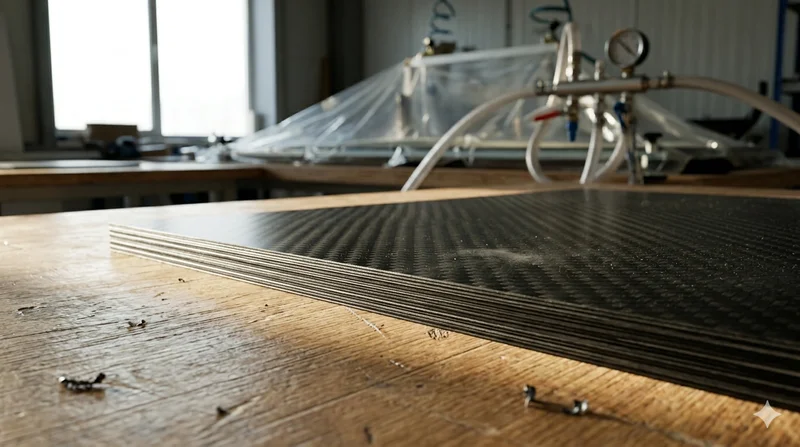
Carbon Fiber Plate — 3K Twill T700 3.0mm
Medium-thickness 3.0mm carbon fiber plate offering significantly higher load capacity while maintaining attractive 3K twill finish. Suitable for structural brackets, reinforcement plates, and load-bearing panels.
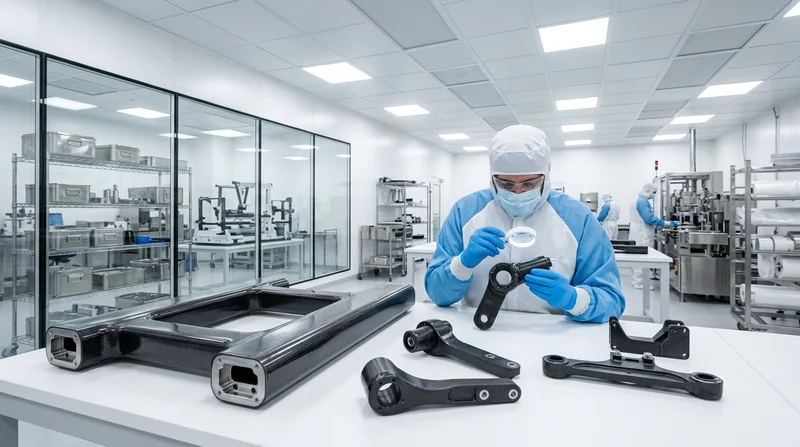
Custom Carbon Fiber Medical Device Components
Medical-grade carbon fiber components manufactured for imaging equipment, surgical instruments, and patient support systems. Carbon fiber's radiolucency (X-ray transparency) and high strength-to-weight ratio make it ideal for CT scanner beds, wheelchair frames, surgical robot arms, and MRI-compatible accessories. Biocompatible resin systems available.
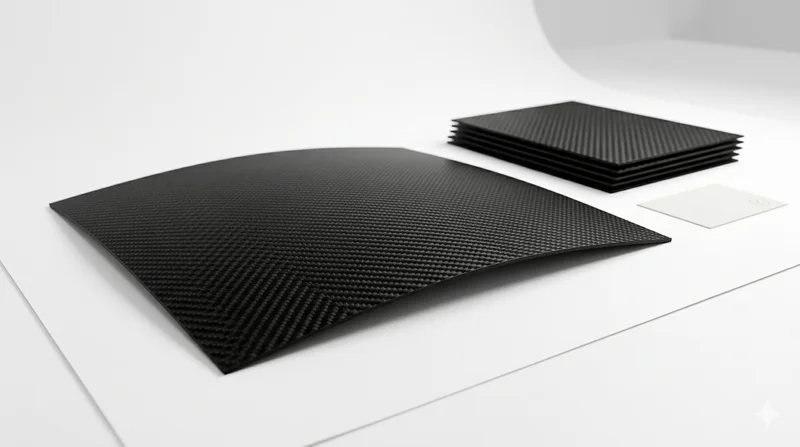
Carbon Fiber Plate — 3K Twill T700 1.5mm
Thin 1.5mm carbon fiber plate with 3K twill weave surface. Lightweight and stiff, commonly used for covers, panels, drone bodies, and applications requiring a premium aesthetic appearance.
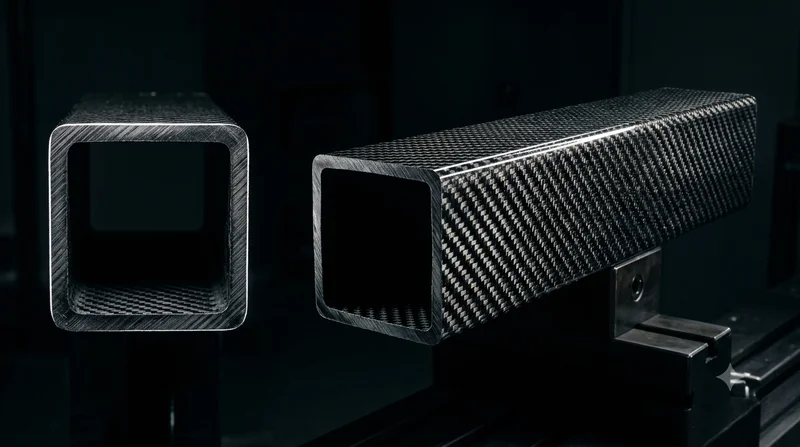
Square Carbon Fiber Tube — 3K Twill T700
Square cross-section carbon fiber tube manufactured with 3K twill weave for torsional strength. Preferred for structural frames, trusses, and support columns where rectangular geometry offers design flexibility.