
Colombia is one of Latin America's most dynamic markets for carbon fiber and advanced composites, driven by three overlapping sectors: a hydrocarbon industry anchored by the state-controlled operator Ecopetrol, a defense program that is replacing aging naval and aviation platforms, and
Introduction
Colombia is one of Latin America's most dynamic markets for carbon fiber and advanced composites, driven by three overlapping sectors: a hydrocarbon industry anchored by the state-controlled operator Ecopetrol, a defense program that is replacing aging naval and aviation platforms, and an infrastructure agenda that includes new highways, cable-stayed bridges, and a mass transit buildout in Bogotá. For composite material suppliers and engineering buyers, the Andean country offers steady demand for corrosion repair systems, lightweight structural components, and seismic retrofit materials — even though the domestic market remains small relative to Brazil or Mexico.
This article examines the three demand pillars — oil production, defense modernization, and infrastructure — and explains how each converts into specific carbon fiber applications, from pipeline composite repair wraps to naval hull structures and bridge strengthening laminates. It closes with practical sourcing guidance for buyers entering the Colombian market.
Oil and Gas: Composite Repair and Lightweight Equipment
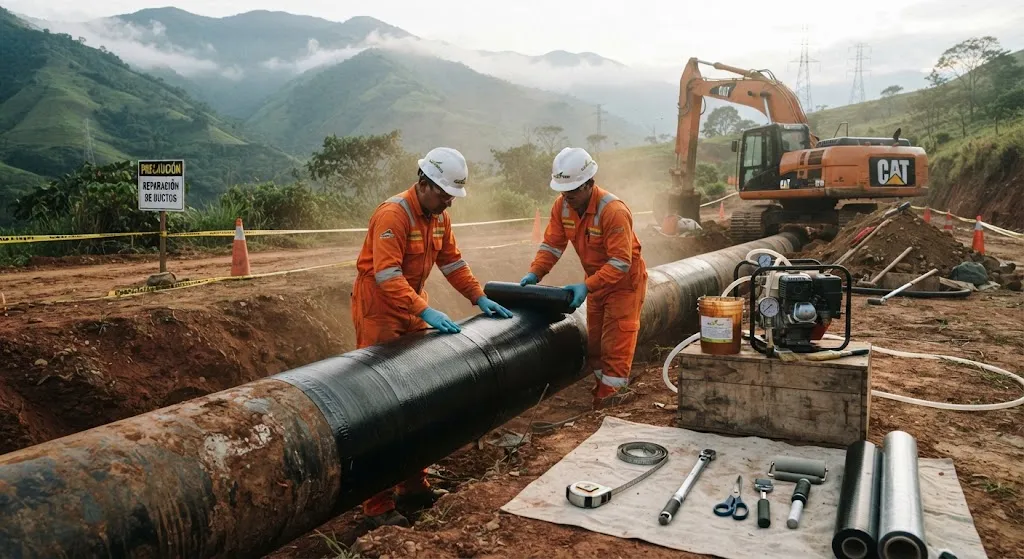
Colombia produces roughly 780,000 barrels of crude oil per day, with Ecopetrol controlling the majority of upstream output across fields in the eastern plains and the Magdalena valley. The country's pipeline network is aging, and operators increasingly turn to composite repair systems — carbon fiber and fiberglass wraps bonded with epoxy — to restore corroded or mechanically damaged pipes without the cost and downtime of full replacement. These systems are engineered to ASME PCC-2 and ISO 24817 and are specified for both onshore trunk lines and subsea risers in the Caribbean.
- Pipeline composite repair: Carbon fiber reinforced repair wraps restore the burst strength of corroded line pipe at a fraction of replacement cost, with installed service lives of 20 years or more.
- Composite pressure vessels: Type III and Type IV tanks are entering Colombian fleets for compressed natural gas vehicles and industrial gas storage applications.
- Offshore topsides: Caribbean offshore gas development uses composite grating, walkways, and fire-protected panels that resist salt-air corrosion without painting cycles.
Maintenance-driven demand is durable and relatively recession-resistant. Regulatory oversight from the Agencia Nacional de Hidrocarburos, together with strict pipeline integrity programs, keeps repair activity steady across oil price cycles, because deferred maintenance raises environmental and safety risk on ageing infrastructure.
Natural gas adds a second, underrated channel. Colombia's midstream gas network distributes compressed natural gas to a growing vehicle fleet and to industrial consumers, and Type III and Type IV composite tanks are the standard lightweight containment solution for both onboard storage and mobile fuel stations. As operators renew aging compressor stations and regulators push emissions reporting lower, composite vessels are displacing heavier steel cylinders on a cost-per-kilogram-of-stored-fuel basis.
Defense Modernization: Naval, Aviation, and Armor
Colombia maintains one of Latin America's largest defense budgets and is mid-way through a multi-year platform modernization cycle. The state-owned naval corporation COTECMAR builds riverine patrol vessels and ocean patrol vessels at its Cartagena shipyard, while the air force has modernized its transport and surveillance fleets and supports indigenous unmanned aerial vehicle programs. Each program creates carbon fiber demand in distinct forms.
- Naval superstructures and interior structures: Composite panels and sandwich laminates cut topside weight on patrol vessels, improving stability, speed, and fuel economy.
- UAV airframes: Domestic and regional UAV programs use carbon fiber monocoque airframes, spars, and propellers for surveillance and mapping missions across the Amazon basin and the Pacific coast.
- Armor components: Carbon fiber backed ceramic panels provide vehicle add-on armor with ballistic protection at substantially lower weight than all-steel solutions.
The modernization cycle is budget-backed and extends over several years, which makes defense one of the most predictable channels for advanced composite consumption in the country. Qualification requirements are strict, and suppliers that can document traceability and test data hold a clear advantage in this segment.
Infrastructure: Bridges, Seismic Retrofit, and Transit
Colombia's infrastructure program — the 4G and 5G highway concessions, airport upgrades, and the first line of the Bogotá metro — has created sustained demand for carbon fiber in two forms: externally bonded strengthening systems for existing bridges, and lightweight components for new construction.
Seismic retrofit is especially important. Colombia sits in an active seismic zone, and building code revisions require the strengthening of older concrete bridges and structures. Externally bonded carbon fiber reinforced polymer laminates and sheets are the preferred intervention because they add stiffness and confinement without increasing dead load or reducing clearances. The Pumarejo cable-stayed bridge, opened in 2019, demonstrated the country's capability in large-span modern structures, where composite corrosion-protection and stay systems are now standard practice.
| Demand Sector | Primary Driver | Representative Carbon Fiber Application | Growth Signal |
|---|---|---|---|
| Oil and gas | Pipeline aging and integrity regulation | Composite pipe repair wraps under ASME PCC-2 | Offshore gas development, integrity programs |
| Defense | Naval and aviation platform renewal | Patrol vessel superstructures, UAV airframes | COTECMAR shipbuilding pipeline, UAV programs |
| Infrastructure | Seismic code upgrades and new transit | Externally bonded CFRP strengthening, stay systems | 4G/5G concessions, Bogotá metro construction |
| Energy transition | Decarbonization pilots | Offshore wind components, hydrogen vessels | La Guajira offshore wind studies, green hydrogen roadmap |
Supply Structure and Sourcing Considerations
Colombia has no significant domestic carbon fiber production, so the market depends on imports of tow, fabric, prepreg, and finished laminate systems. Local distributors and engineering firms serve the construction and oil and gas sectors, while defense and aerospace programs typically procure through qualified global suppliers with established certification files. Distribution channels are maturing: dedicated composite distributors now stock tow, fabric, and infusion consumables regionally, shortening lead times for recurring buyers.
Looking ahead, the project pipeline is rising rather than falling. The 5G highway concessions awarded in the late 2020s, the Bogotá metro extension studies, and the port and airport upgrades in the National Development Plan all specify composite repair and strengthening packages. Buyers who lock supply agreements now benefit from better pricing and shorter lead times than those who wait until tenders convert into purchase orders.
Buyers should verify that repair systems carry design documentation to ASME PCC-2 or ISO 24817, that structural strengthening materials are supplied with full mechanical test certificates, and that prepreg and tow shipments include lot traceability. Logistics lead times and import duties add cost, so consolidated supply agreements with a single qualified source reduce both unit price and administrative burden.
Frequently Asked Questions
Is there domestic carbon fiber production in Colombia?
No significant domestic precursor or carbon fiber production exists in Colombia today. The market is supplied entirely through imports of tow, fabric, prepreg, and engineered laminate systems, either directly by global manufacturers or through local distributors who hold stock for construction and oil and gas projects.
Which sectors in Colombia consume the most carbon fiber?
Oil and gas pipeline repair is the largest recurring channel, because composite wraps are a cost-effective answer to ageing infrastructure under regulatory integrity requirements. Defense naval and UAV programs provide the highest-value demand, while infrastructure seismic retrofit supplies the broadest, most predictable volume through government-funded road and bridge programs.
What certifications matter for carbon fiber products used in Colombia?
Pipeline repair systems must be qualified to ASME PCC-2 or ISO 24817, structural strengthening materials follow local seismic design codes and ACI 440 guidance, and defense supplies require full material traceability and mechanical test documentation. Suppliers with existing qualification files typically shorten project approval cycles significantly.
How are logistics and duties managed for carbon fiber imports into Colombia?
Carbon fiber materials enter Colombia as industrial imports under standard tariff procedures, with duties applied at the port of entry. Lead times from order to delivery commonly run four to eight weeks depending on origin, so buyers should plan procurement windows ahead of project start dates or use consolidated supply agreements to smooth both cost and scheduling risk.
Conclusion
Colombia's carbon fiber market rests on three durable demand pillars: regulatory-driven pipeline repair in oil and gas, budget-backed naval and aviation modernization in defense, and a long-running seismic retrofit and transit buildout in infrastructure. Each pillar buys different product forms, but all reward suppliers who combine certified engineering documentation, consistent material quality, and reliable logistics. The same fundamentals extend across Latin America: composite demand in every regional economy tracks regulated infrastructure spend, defense renewal cycles, and energy transition pilots. For buyers entering this market, partnering with a single qualified material source simplifies qualification, reduces landed cost, and protects schedule on projects that are rarely forgiving.
Browse YongXian's carbon fiber materials for composite repair, defense, and infrastructure programs, or contact our engineering team for grade selection, certification documentation, and supply programs tailored to Latin American projects.
Part of topic
Related Articles
Interested in Our Products?
Contact our team for competitive pricing and technical specifications.
Get a QuoteRelated Products
Carbon Fiber Fishing Rod Blank
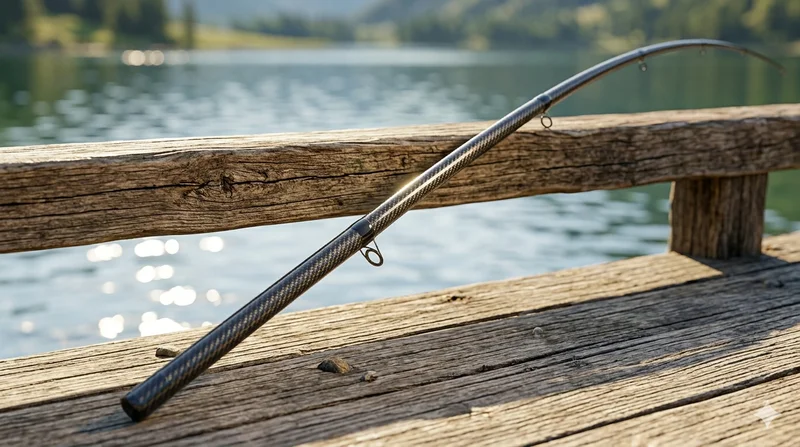
High-quality carbon fiber fishing rod blank manufactured from multiple grades of Toray carbon fiber cloth. Available in a wide range of lengths, powers, and actions for freshwater and saltwater applications. Suitable for OEM rod building.
Carbon Fiber Plate — 3K Twill T700 3.0mm
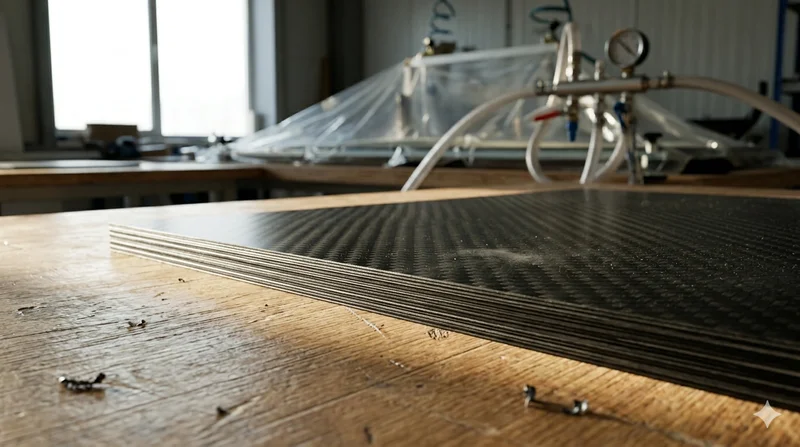
Medium-thickness 3.0mm carbon fiber plate offering significantly higher load capacity while maintaining attractive 3K twill finish. Suitable for structural brackets, reinforcement plates, and load-bearing panels.
Custom Carbon Fiber Medical Device Components
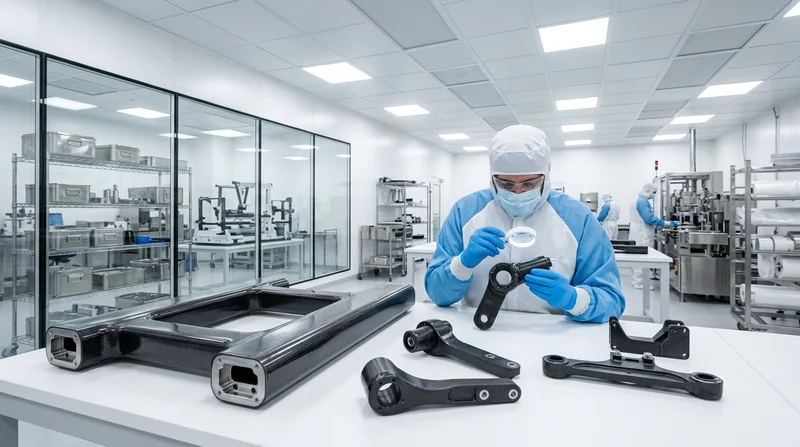
Medical-grade carbon fiber components manufactured for imaging equipment, surgical instruments, and patient support systems. Carbon fiber's radiolucency (X-ray transparency) and high strength-to-weight ratio make it ideal for CT scanner beds, wheelchair frames, surgical robot arms, and MRI-compatible accessories. Biocompatible resin systems available.
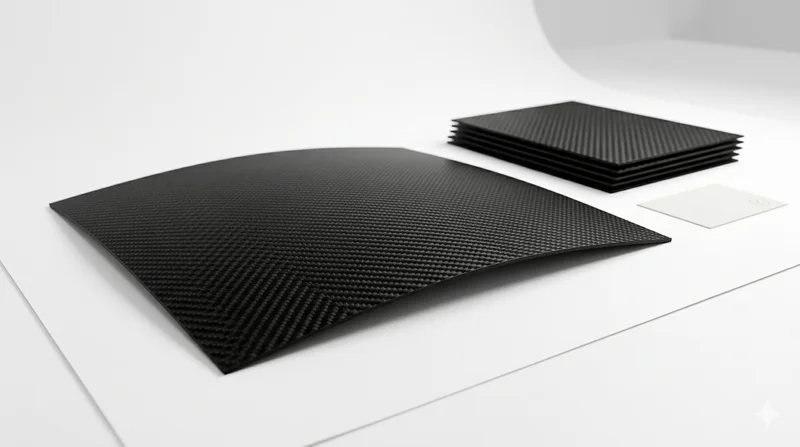
Carbon Fiber Plate — 3K Twill T700 1.5mm
Thin 1.5mm carbon fiber plate with 3K twill weave surface. Lightweight and stiff, commonly used for covers, panels, drone bodies, and applications requiring a premium aesthetic appearance.
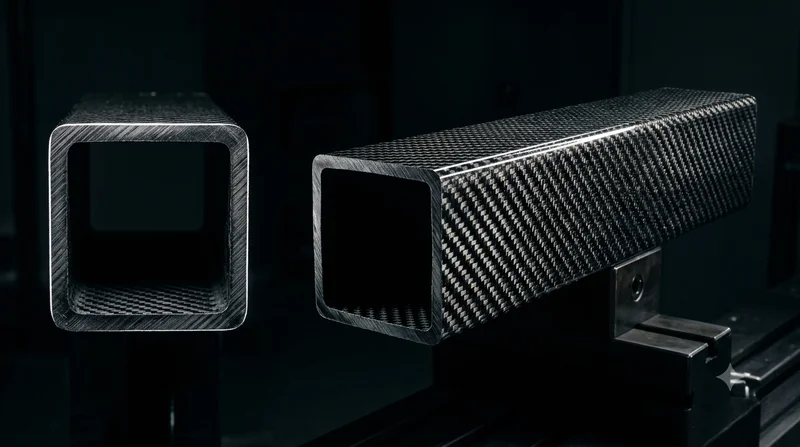
Square Carbon Fiber Tube — 3K Twill T700
Square cross-section carbon fiber tube manufactured with 3K twill weave for torsional strength. Preferred for structural frames, trusses, and support columns where rectangular geometry offers design flexibility.