
Argentina is rarely the first country that comes to mind in discussions of the South American carbon fiber market, yet its 2026 demand structure tells a more nuanced story than its modest volume suggests. The country lacks a domestic carbon fiber production base, so virtually all consum
Introduction
Argentina is rarely the first country that comes to mind in discussions of the South American carbon fiber market, yet its 2026 demand structure tells a more nuanced story than its modest volume suggests. The country lacks a domestic carbon fiber production base, so virtually all consumption is served by imports of tow, fabric, prepreg, and finished composite components. What makes the market interesting is the demand composition: rather than leaning on a single sector, Argentina pulls carbon fiber from three channels that are each undergoing genuine structural change.
The first channel is defense. The Argentine Air Force is pursuing a modernization path anchored by the FAdeA IA-100 primary trainer, a programme that explicitly targets all-composite construction as a pillar of its design philosophy. The second channel is the lithium supply chain. Argentina is the fourth-largest lithium producer globally and the second-largest producer of lithium carbonate, with most output coming from brine extraction in the provinces of Jujuy, Salta, and Catamarca. The processing infrastructure around those salars generates steady demand for corrosion-resistant composite equipment. The third channel is aerospace maintenance, repair, and overhaul, with FAdeA's Córdoba facility serving regional commercial and military fleets.
Market Size and Demand Structure
Industry estimates place Argentina's annual carbon fiber consumption at roughly 500-800 tonnes in 2026, a figure that includes both raw reinforcement and composite components imported for local assembly. The market is concentrated in a handful of segments, as summarized below:
| Segment | 2026 Demand Share | Growth Outlook | Primary Drivers |
|---|---|---|---|
| Defense & Aerospace Programmes | 25-30% | 8-12% per year | IA-100 trainer, Pampa III, UAV structures |
| Mining & Lithium Processing | 20-25% | 10-15% per year | Brine plant corrosion protection, pump and pipe components |
| Aerospace MRO | 15-20% | 5-7% per year | Regional fleet structural repairs |
| Automotive & Industrial | 15-20% | 4-6% per year | Motorsport, agricultural machinery, automation parts |
| Energy & Other | 10-15% | 5-8% per year | Oil & gas corrosion repair, transmission, construction |
Two structural features matter for suppliers. First, imports dominate, which means logistics lead times, customs documentation, and Argentine quality certification (especially through IRAM standards) are part of every sales cycle. Second, demand is geographically concentrated: defense and aerospace activity clusters around Córdoba, while lithium and mining consumption follows the salar clusters of the northwest, so regional distribution strategy is more important than broad national coverage.
Defense Modernization: The FAdeA IA-100 and Air Force Programmes
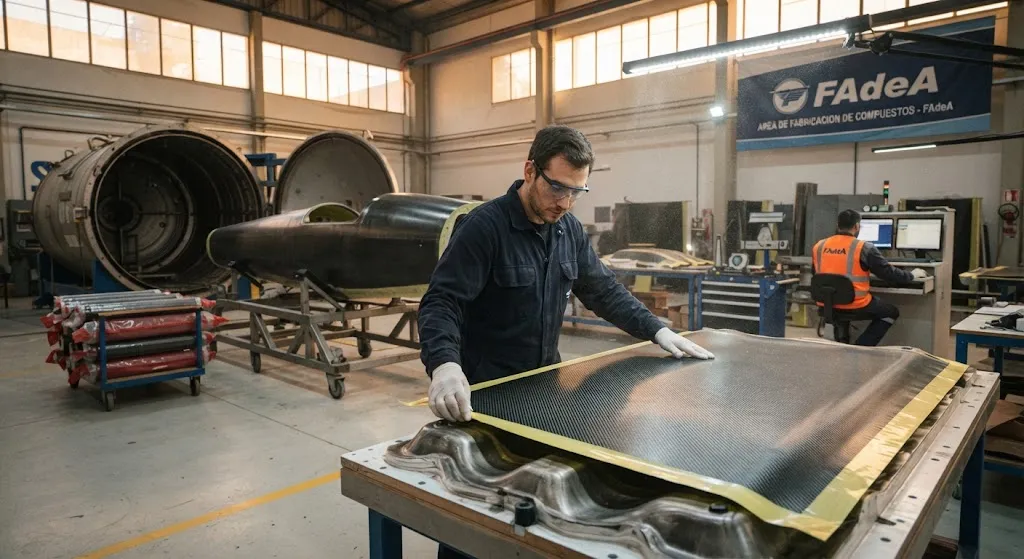
The FAdeA IA-100 is the centerpiece of Argentina's defense-related carbon fiber demand. Developed by Fábrica Argentina de Aviones (FAdeA) in Córdoba, the IA-100 is a primary trainer intended to replace ageing piston-engine aircraft in the Argentine Air Force training pipeline. The programme's design dossier places composites at the center of the airframe strategy: carbon fiber is specified for major structural skins, cowlings, and fairings, with the goal of reducing weight and parasite drag compared to a conventional aluminum or fabric-covered design. Although the programme has faced budget cycles typical of Argentine procurement, the industrial base established around it — autoclave capacity, prepreg handling, and composite repair capability at FAdeA's plant — persists regardless of production timing.
Beyond the IA-100, several parallel defence channels sustain composite demand:
- Pampa III sustainment: The IA-63 Pampa III jet trainer remains in service with the Argentine Air Force, and its composite components require periodic structural inspection, repair, and replacement.
- UAV development: Argentine universities and small enterprises are developing uncrewed aerial vehicles for surveillance and agricultural roles, most of which specify carbon fiber airframes for endurance and payload reasons.
- Rotary-wing activity: Military helicopter fleets in Argentina generate steady demand for composite rotor blade repairs and non-structural composite panels.
- Air force modernization roadmap: The service's broader recapitalization plans include composite-intensive platforms that would convert current feasibility studies into procurement demand later in the decade.
For suppliers, the defense channel offers a distinctive advantage: qualification cycles in Argentina are shorter than in North America or Western Europe, and the volume per contract is more modest, which makes it a pragmatic market for mid-size composite material producers testing South American entry. The trade-off is payment terms and financing risk, which buyers should underwrite carefully when structuring credit.
Lithium Supply Chain: Corrosion-Resistant Composites in Brine Processing
Argentina's lithium industry is centered on the lithium triangle that it shares with Chile and Bolivia, with active production at Salar de Olaroz, Salar del Hombre Muerto, and Caucharí-Olaroz, and a pipeline of projects across Jujuy, Salta, and Catamarca. Argentina ranks as the fourth-largest global lithium producer and the second-largest lithium carbonate exporter, reflecting a production model weighted toward carbonate rather than hydroxide. The processing route for each project begins with pumping lithium-rich brine to evaporation ponds, where solar concentration raises lithium grades over 12-18 months before the brine moves to a chemical plant for carbonation.
The equipment environment around these operations is aggressively corrosive — brine, solar salts, and chemical reagents attack conventional materials — and this is precisely where carbon fiber composites earn their role:
- Corrosion-resistant piping: Composite pipes and liners handle brine transfer and chemical dosing lines where stainless steel suffers pitting and scaling.
- Pump and valve components: Carbon fiber reinforced impellers, wear rings, and valve seats outlast metallic equivalents in abrasive, saline service.
- Tank and pond structures: Composite panels, liners, and structural profiles support evaporation infrastructure exposed to salt-laden air and direct sun.
- Automation and robotics: As producers raise automation to control reagent dosing and sampling, lightweight carbon fiber arms and end-effectors appear in plant robotics.
The demand signal for carbon fiber here is not large by global standards, but it is exceptionally sticky: once a composite piping or pump component is specified into a salar project, it is typically reordered for the life of the operation, and the lithium build-out in Argentina stretches well beyond 2026 as new projects move from feasibility to construction.
Aerospace and Regional Maintenance Base
FAdeA's Córdoba facility is the anchor of Argentina's aerospace MRO capability. The plant provides structural maintenance and modification services for regional commercial operators and for the Argentine Air Force, including composite structural repairs that follow original-equipment manufacturer data.
The aerospace channel is the most certification-sensitive part of the market. Repair work demands prepreg and repair kits qualified against OEM technical orders, while MRO providers increasingly require traceability documentation that matches international practice. Suppliers who can offer documented material traceability, batch consistency, and cold-chain storage of prepreg will find the aerospace segment far easier to serve than those selling commodity fabric on price alone.
Supply Chain Opportunities for Carbon Fiber Suppliers
For a carbon fiber supplier considering Argentina, the most practical sequence is to enter through the mining and industrial channel first, then build into defense and aerospace. The mining channel has the shortest qualification cycle and the least export-control friction; industrial fabric, tow, and roll-wrapped tubes for corrosion-resistant applications can be qualified in weeks rather than months. The defense channel adds export-control diligence, because carbon fiber prepreg and tow above certain modulus and tensile thresholds fall under dual-use regulations, and Argentine defense customers will expect compliance documentation. The aerospace channel offers the highest value per kilogram but carries OEM data and repair-system qualification requirements that reward patience.
Distribution partnerships matter disproportionately in Argentina. Import duties, customs lead times, and the practical difficulty of servicing salar sites in the northwest all favor working with a local distributor that holds inventory in country. Suppliers who pair a regional stockholding partner with direct technical support for qualification will capture share faster than those attempting thin-margin direct sales into a market this size.
Frequently Asked Questions
How large is the Argentina carbon fiber market in 2026?
Industry estimates place Argentina's annual carbon fiber consumption at roughly 500-800 tonnes in 2026, served almost entirely by imports since the country has no domestic carbon fiber production. The largest segments are defense and aerospace programmes at 25-30% of demand, mining and lithium processing at 20-25%, and aerospace MRO at 15-20%.
What role does the FAdeA IA-100 programme play in carbon fiber demand?
The IA-100 primary trainer is the flagship of Argentine defense modernization and specifies carbon fiber for major structural skins and fairings, creating demand for aerospace-grade prepreg, autoclave-capable material systems, and repair consumables. Even with budget cycles affecting production timing, the composite industrial base at FAdeA's Córdoba plant sustains ongoing demand for material qualification and maintenance.
Why does lithium mining drive carbon fiber demand in Argentina?
Lithium brine processing operates in an aggressively corrosive environment of saline brine, solar salts, and chemical reagents. Carbon fiber composites are specified for corrosion-resistant piping, pump impellers, valve components, and automation hardware because they outlast metals in abrasive and saline service, and the lithium build-out in Jujuy, Salta, and Catamarca extends well beyond 2026.
How should a carbon fiber supplier enter the Argentine market?
Enter through the mining and industrial channel first, where qualification cycles are shortest and export-control friction is lowest, then build toward defense and aerospace. A local distribution partner with in-country inventory is important because import duties, customs lead times, and the difficulty of servicing remote salar sites all favor regional stockholding.
Conclusion
The Argentina carbon fiber market in 2026 is a niche market with three distinct demand engines rather than one dominant sector. Defense modernization around the FAdeA IA-100 builds a domestic composite industrial base; the lithium supply chain in the northwest creates sticky, corrosion-driven demand for composite equipment; and the Córdoba aerospace MRO base provides certification-sensitive repair demand. The total volume is modest by global standards, but the market's low qualification barriers, concentrated geography, and long-term lithium build-out make it a rational testing ground for suppliers building a South American footprint.
YongXian supplies carbon fiber fabrics, prepregs, and reinforcement materials to industrial, defense, and aerospace customers worldwide. Explore our carbon fiber product range or contact our team to discuss material specifications for Argentine industrial and aerospace applications.
Part of topic
Related Articles
Interested in Our Products?
Contact our team for competitive pricing and technical specifications.
Get a QuoteRelated Products
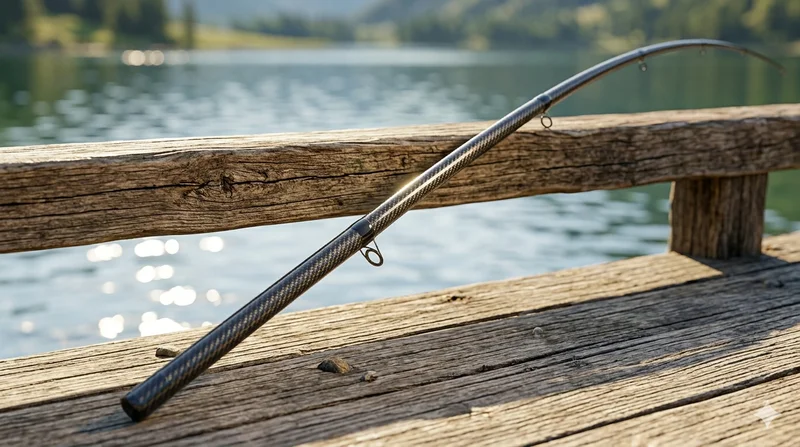
Carbon Fiber Fishing Rod Blank
High-quality carbon fiber fishing rod blank manufactured from multiple grades of Toray carbon fiber cloth. Available in a wide range of lengths, powers, and actions for freshwater and saltwater applications. Suitable for OEM rod building.

Carbon Fiber Plate — 3K Twill T700 1.5mm
Thin 1.5mm carbon fiber plate with 3K twill weave surface. Lightweight and stiff, commonly used for covers, panels, drone bodies, and applications requiring a premium aesthetic appearance.

Carbon Fiber Plate — 3K Twill T700 3.0mm
Medium-thickness 3.0mm carbon fiber plate offering significantly higher load capacity while maintaining attractive 3K twill finish. Suitable for structural brackets, reinforcement plates, and load-bearing panels.
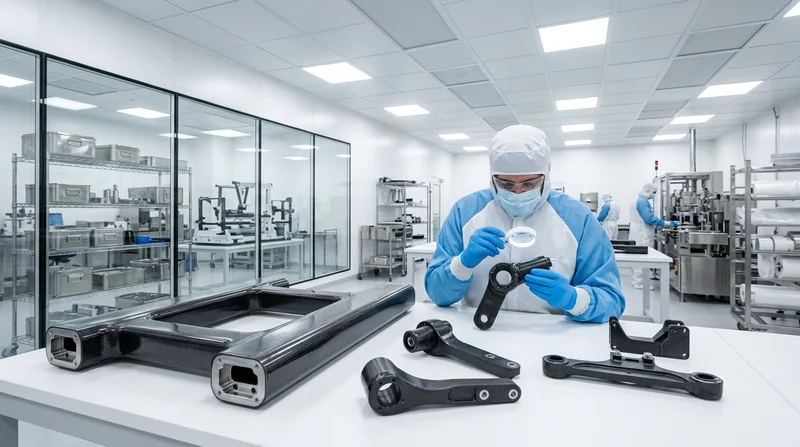
Custom Carbon Fiber Medical Device Components
Medical-grade carbon fiber components manufactured for imaging equipment, surgical instruments, and patient support systems. Carbon fiber's radiolucency (X-ray transparency) and high strength-to-weight ratio make it ideal for CT scanner beds, wheelchair frames, surgical robot arms, and MRI-compatible accessories. Biocompatible resin systems available.

Square Carbon Fiber Tube — 3K Twill T700
Square cross-section carbon fiber tube manufactured with 3K twill weave for torsional strength. Preferred for structural frames, trusses, and support columns where rectangular geometry offers design flexibility.