
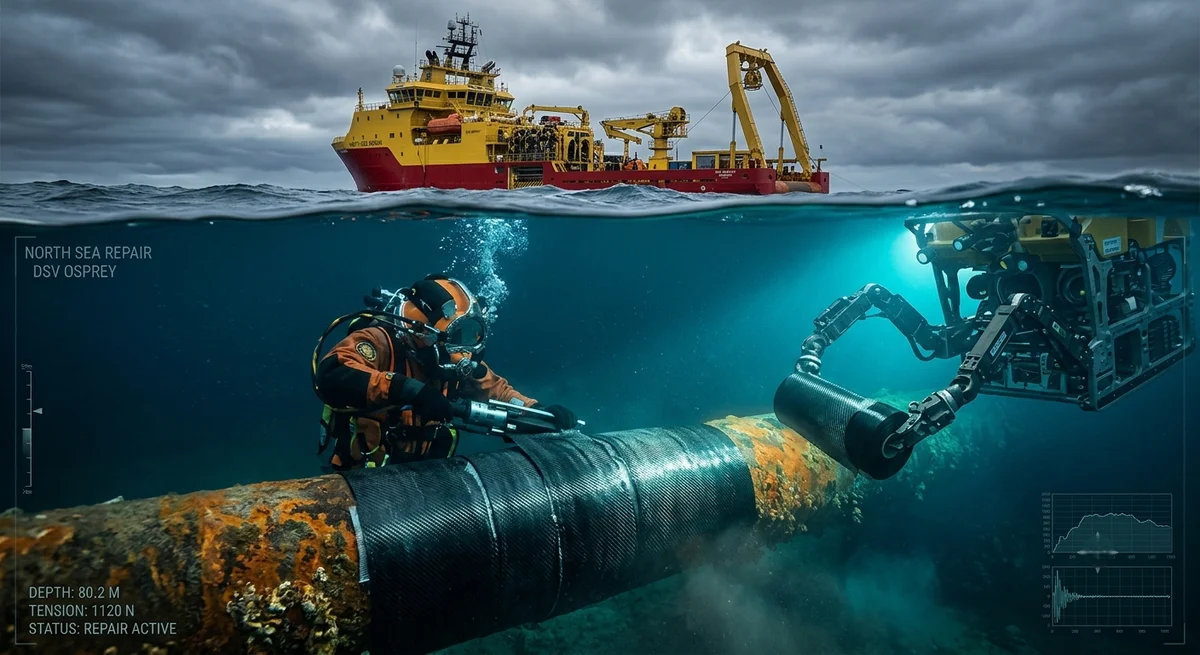
海底管道运营商越来越多地采用碳纤维复合材料缠绕系统作为管道更换或钢套修复的经济高效替代方案。本文探讨了CFRP修复系统在海上油气管道、立管和流动管线中的工程原理、安装方法和长期性能。
Corrosion, erosion, and mechanical damage are the leading causes of subsea pipeline degradation, affecting thousands of kilometres of offshore oil and gas infrastructure worldwide. Traditional repair methods — cut-and-replace operations or steel clamp sleeves — require significant subsea intervention, heavy-lift vessels, and production shutdowns measured in weeks. Carbon fibre reinforced polymer (CFRP) composite wrap systems offer a fundamentally different approach: restore structural integrity in situ, directly over the damaged pipe section, with installation completed in days rather than weeks at a fraction of the total project cost.
CFRP subsea repair systems work by transferring the hoop and axial stresses from the damaged pipe wall into the composite wrap through a high-performance epoxy adhesive interlayer. The carbon fibre layers are oriented primarily at ±55° to the pipe axis to optimise hoop strength, with additional 0° layers for axial load recovery where required. Design follows the guidelines of ISO/TS 24817 and ASME PCC-2 Article 4.1, the two most widely accepted standards for composite repair of piping systems. The repair laminate must restore the pipe to at least 100% of its original design pressure, with a safety factor typically set at 1.5–2.0 against burst.
Installation of subsea CFRP wraps requires specialised diver or ROV-deployed procedures. The damaged area is first prepared by grit-blasting to SA 2.5 cleanliness and a 50–100 µm anchor profile. The saturable carbon fibre fabric — typically a biaxial or triaxial stitched fabric with areal weight of 600–1200 g/m² — is impregnated with an underwater-curing epoxy resin on the surface or in a pre-preg format, then wrapped circumferentially around the pipe in sequential layers. Each layer is consolidated using a tensioning tool to achieve a fibre volume fraction of 50–60% and eliminate voids. The epoxy cures underwater at seabed temperatures (2–15 °C) within 12–24 hours, after which the repair can be immediately pressurised.
Long-term performance data from field installations spanning 15+ years demonstrates the durability of CFRP subsea repairs. A 2019 joint industry project (JIP) led by DNV GL evaluated 27 composite wrap repairs on operational subsea pipelines in the North Sea, Gulf of Mexico, and West Africa. After an average service life of 8.4 years, none of the repairs showed signs of degradation, disbondment, or leakage. Finite element analysis (FEA) models calibrated against full-scale burst tests predict a remaining service life exceeding 20 years for properly designed and installed CFRP wraps, with annual degradation rates below 0.5% of original strength.
| Parameter | CFRP Composite Wrap | Steel Sleeve Repair | Cut-and-Replace |
| --- | --- | --- | --- |
| Installation Time | 3–7 days | 7–14 days | 14–30 days |
| Diving/ROV Hours | 40–80 hours | 120–200 hours | 300–500 hours |
| Vessel Requirement | DSV / light construction | Medium construction vessel | Heavy-lift / pipelay vessel |
| Shutdown Duration | 1–2 days | 3–7 days | 14–28 days |
| Typical Cost (USD) | $150k–$400k | $500k–$1.2M | $2M–$10M+ |
| Pressure Recovery | ≥ 100% design pressure | ≥ 100% design pressure | 100% (new pipe) |
| Design Life | 20+ years (qualified) | 20+ years | 25–40 years |
| Depth Rating | To 3,000 m (unlimited) | To 500 m (diver limit) | To 3,000 m+ |
- Proven on carbon steel pipelines from 4" to 48" diameter, with wall thickness losses from 20% up to 80% of original
- Applicable to straight pipe, bends (up to 45°), tees, reducers, and flanged connections using custom-tailored wrap sequences
- Qualified for sour service (NACE MR0175/ISO 15156) with appropriate epoxy formulations resistant to H₂S and low pH
- Can be installed on live pipelines at reduced operating pressure (typically 50–70% of MAOP) without full shutdown of the production system
- Multiple repairs can be applied sequentially on the same pipeline section if corrosion extends longitudinally, with overlap zones engineered per ISO/TS 24817
### FAQ
**Q: Do CFRP subsea repairs require pipeline depressurisation during installation?**
Most standards require the pipeline to be depressurised to 50–70% of the maximum allowable operating pressure (MAOP) during installation, but not fully shut down. This partial depressurisation reduces the hoop stress on the damaged section enough to prevent failure during wrapping, while allowing continued (reduced-rate) production. Some qualified systems can be installed at full operating pressure, subject to additional engineering analysis.
**Q: How long does the underwater epoxy cure take at seabed temperatures?**
Underwater-curing epoxy formulations are designed for seabed temperatures of 2–15 °C. Initial cure (sufficient for pressurisation) takes 12–24 hours depending on temperature. Full mechanical properties are achieved after 48–72 hours. Heat-blanket post-cure systems are available for deeper water applications where ambient temperatures fall below 2 °C.
**Q: Can CFRP repairs be inspected after installation?**
Yes. Post-installation NDE methods include ultrasonic testing (UT) for bond-line integrity, thermography for void detection, and acoustic emission monitoring during pressure testing. Electromagnetic methods cannot penetrate carbon fibre, so traditional MPI is replaced by shearography or laser profilometry for surface defect detection on the wrap itself.
**Q: What is the maximum operating temperature for subsea CFRP repairs?**
Standard subsea epoxy systems are rated for continuous service at 60–90 °C wet (exposed to seawater). High-temperature epoxy and benzoxazine formulations extend this to 120–150 °C for hot-oil and hot-gas pipelines. The carbon fibre itself is unaffected by these temperatures — the limitation is the epoxy matrix.
**Q: Are CFRP repairs recognised by classification societies?**
Yes. All major classification societies — including DNV, Lloyd's Register, ABS, and BV — recognise composite repairs designed per ISO/TS 24817 or ASME PCC-2. A certified repair design package typically includes material qualification data, FEA validation, installation procedure specification (IPS), and a quality assurance plan approved by the relevant classification society.
Carbon fibre composite wrap systems have transformed subsea pipeline repair from a major capital project into a manageable maintenance operation. With installation timelines of 3–7 days, significantly lower vessel and diving costs, and a design life exceeding 20 years, CFRP repairs offer offshore operators a proven, code-compliant solution for extending the service life of ageing pipeline infrastructure. As the installed base of subsea CFRP repairs continues to grow — now exceeding 5,000 documented installations globally — the technology has moved beyond early adoption into standard practice for responsible asset integrity management.
海底管道修复复合材料缠绕CFRP管道修复海上油气管道修复
所属专题
相关文章
对我们的产品感兴趣?
联系我们的团队获取 competitive 报价和技术规格。
获取报价相关产品
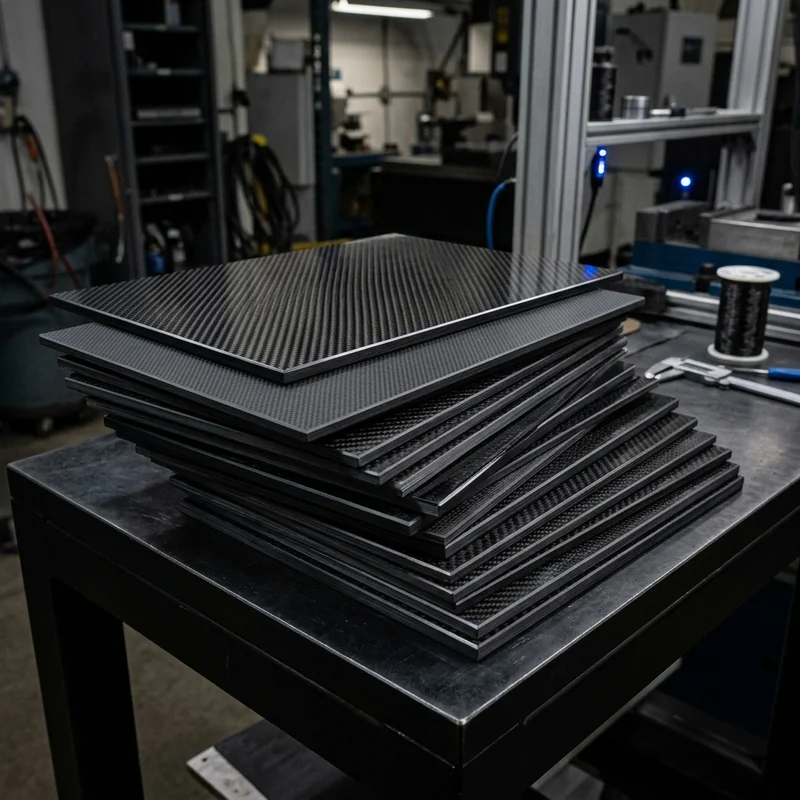
plates
碳纤维标准板材-3k条纹
轻量化超高刚性标准板材,适用于无人机机身、机器人外壳、外立面及结构性应用。
查看详情
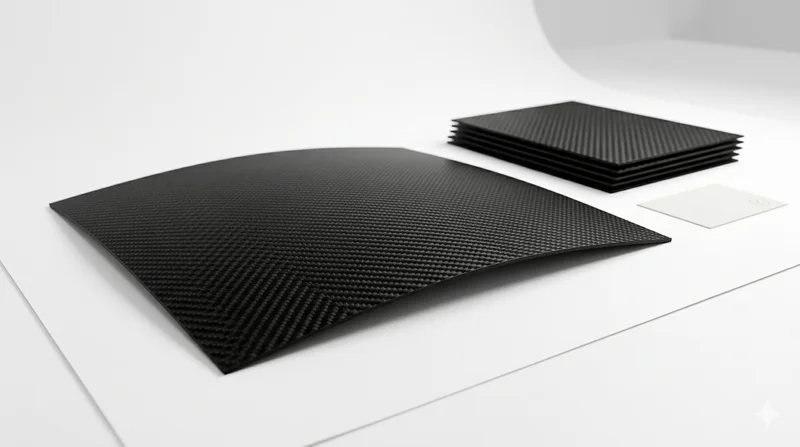
plates
碳纤维板 — 3K斜纹 T700 1.5mm
1.5mm薄型碳纤维板,3K斜纹编织表面。轻质高刚,常用于外壳、面板、无人机机身和需要高级外观的应用。
查看详情
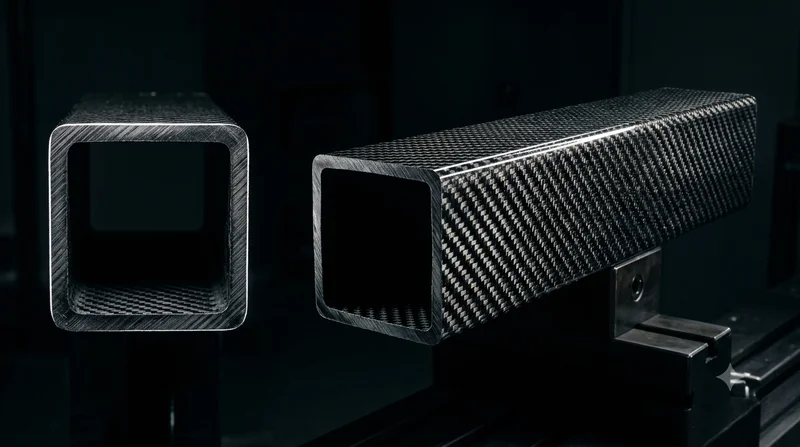
tubes
方管碳纤维管 — 3K斜纹 T700
3K斜纹编织的方形碳纤维管,具备优异抗扭强度。适用于结构框架、桁架和支撑柱,矩形截面提供设计灵活性。
查看详情
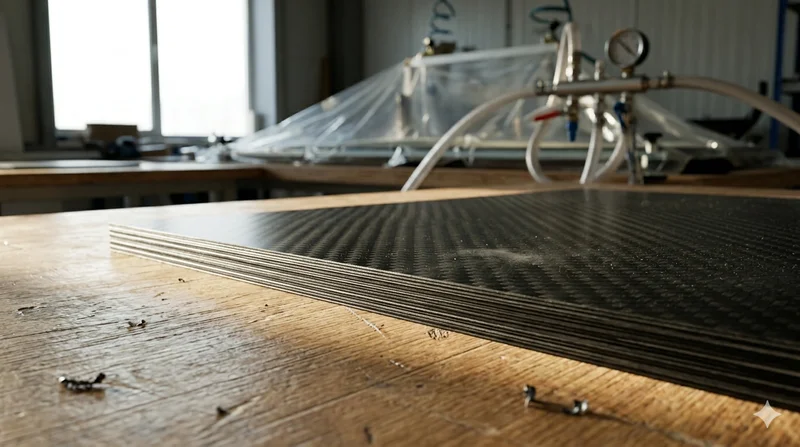
plates
碳纤维板 — 3K斜纹 T700 3.0mm
3.0mm中厚碳纤维板,承重能力显著提高,同时保持3K斜纹外观。适用于结构支架、加固板和承重面板。
查看详情
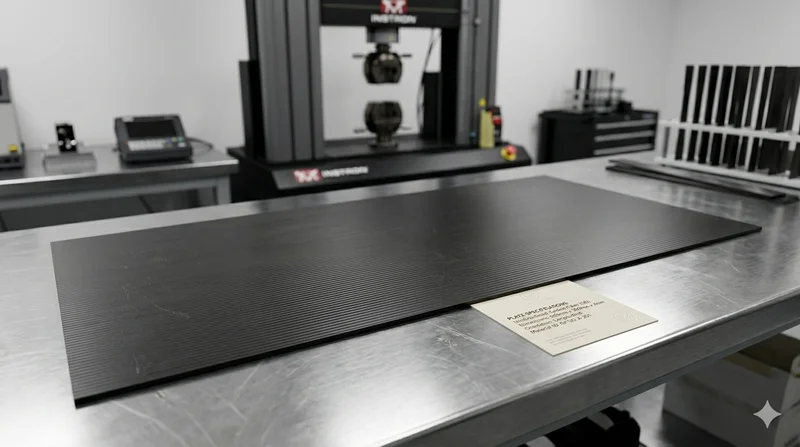
plates
碳纤维板 — UD单向 T700
单向碳纤维板,所有纤维沿单一方向排列,沿纤维轴向强度最大。适用于结构加固、夹板等负载方向可预测的应用。
查看详情